Roof Leakage Repair Lahore
Get reliable roof leakage repair in Lahore with professional waterproofing solutions, crack sealing, terrace protection, and lasting moisture control for residential and commercial properties.
- Free Inspection
- Written Warranty
- Trained Team
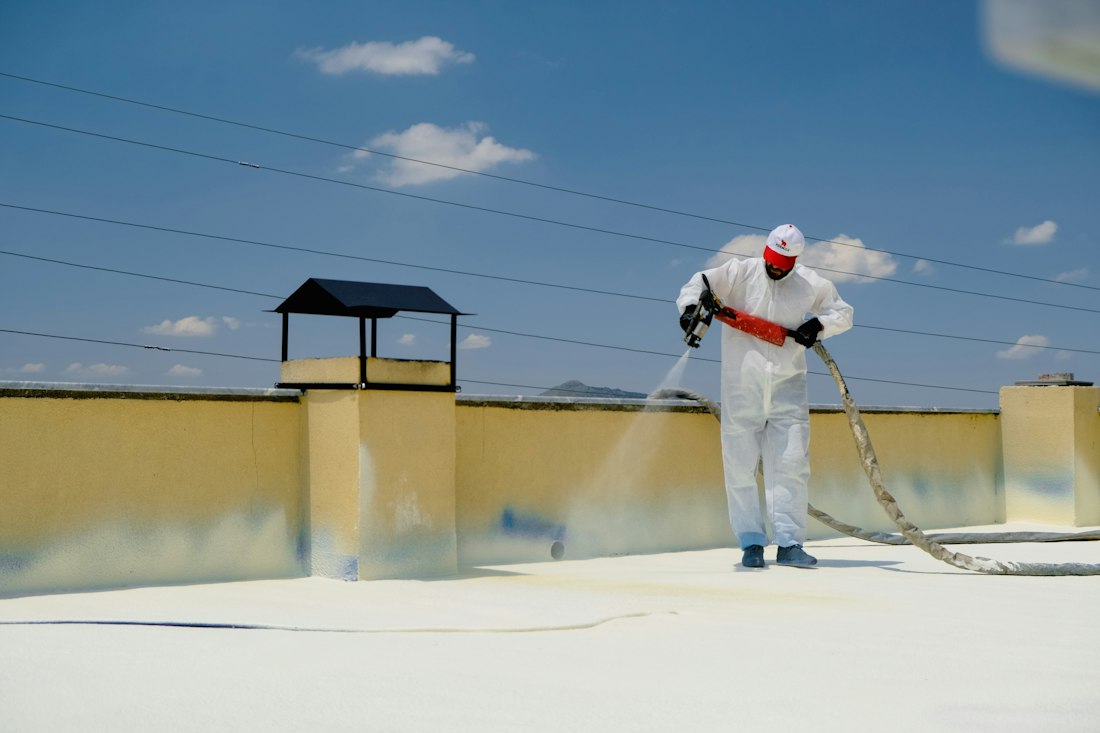
We find the real cause
On every project
Request a Free Quote
Share a few details and our team will contact you shortly to arrange a free inspection.
Request a Free Inspection
Share your details and photos. We will send your quote on WhatsApp.
Trusted by Homeowners & Businesses Across Lahore


Protecting homes from water & heat
Everything you need to know about our waterproofing and heat proofing work.
Professional Roof Leakage Repair in Lahore for Lasting Protection
A leaking roof can create serious problems for your home, office, shop, or commercial building. Water entering through cracks, damaged joints, weak waterproofing layers, or poorly sealed drainage areas can damage ceilings, walls, paint, electrical fittings, and interior finishes. If roof leakage is left untreated, moisture may continue spreading and increase the cost of future repairs. Waterproofing Hawks provides roof leakage repair in Lahore to help property owners identify leakage sources and choose suitable waterproofing solutions for their buildings.
Whether you have noticed water dripping from the ceiling, damp patches appearing after rainfall, peeling paint, or moisture collecting on your terrace, the first step is to understand where the water is entering. A professional inspection can help distinguish between a damaged roof surface, a blocked drain, a leaking water tank, defective pipework, and water penetration through construction joints. Identifying the actual cause is important because covering a visible stain without fixing the source may only provide temporary relief.
Understanding Roof Leakage Problems
Roof leakage can develop gradually or appear suddenly after heavy rainfall. Concrete roofs may develop hairline cracks because of temperature changes, structural movement, ageing materials, or inadequate maintenance. Waterproofing coatings can also deteriorate after prolonged exposure to sunlight and changing weather conditions. When the protective layer becomes damaged, rainwater may reach the concrete surface and enter the building through vulnerable points.
Some leaks appear directly beneath the damaged roof area, while others travel along slabs, beams, pipes, or wall joints before becoming visible indoors. This means the location of a ceiling stain does not always identify the exact entry point. A careful assessment of the roof, drainage system, parapet walls, expansion joints, and previous repair work helps determine the appropriate treatment.
Waterproofing Hawks focuses on identifying visible signs of leakage and evaluating the roof conditions before recommending a repair method. The aim is to address the underlying problem rather than repeatedly covering damaged areas with paint or ordinary sealant.
Common Causes of Roof Leakage
Several issues can contribute to roof leakage in Lahore. Understanding these causes helps property owners take the right action before water damage spreads.
Cracked concrete surfaces: Small cracks can allow rainwater to penetrate the roof. Their treatment depends on crack width, depth, movement, and the condition of the surrounding concrete.
Damaged waterproofing layers: Old coatings or membranes may lose adhesion, develop splits, or become damaged through weather exposure. Depending on the condition, local repairs or a replacement waterproofing system may be required.
Blocked roof drains: Leaves, dust, construction debris, and other materials can restrict drainage. Standing water may increase the likelihood of leakage through weak joints and damaged surfaces.
Poorly sealed joints: Connections between roof slabs, walls, pipes, and other structures are potential entry points when sealants deteriorate or the original detailing is inadequate.
Water tank and pipe leakage: Moisture near tanks, plumbing lines, or roof-mounted equipment may originate from a plumbing fault instead of the roof itself.
Improper previous repairs: Applying incompatible materials, skipping surface preparation, or sealing only the visible stain can leave the original leakage pathway untreated.
Correct diagnosis allows the repair process to target the actual cause. For additional protection, explore our roof waterproofing services in Lahore.
Our Roof Leakage Inspection Process
A successful roof repair begins with understanding the condition of the existing structure. During an assessment, important areas include visible cracks, damaged coatings, roof slopes, drainage outlets, parapet-wall junctions, pipe penetrations, and locations where water collects.
The inspection also considers the age of the roof, previous waterproofing work, the type of construction, and the pattern of leakage inside the building. Photographs and observations can help document the affected areas and support a more informed repair recommendation.
Where necessary and safe, additional checks can help determine whether water is entering through a surface defect or another building component. Roof access should always be handled carefully, especially during rain, when surfaces are slippery, or when structural damage is suspected.
Once the likely source has been identified, the repair approach can be explained according to the condition of the roof. Some problems require crack sealing and local patching. Others may need membrane application, protective coatings, drainage improvements, or more extensive surface preparation.
Roof Crack Repair and Surface Preparation
Roof cracks should be evaluated before any waterproofing material is applied. Small, stable cracks may be suitable for compatible repair compounds, while wider or moving cracks can require a different treatment. Cracks associated with significant structural movement should be assessed by an appropriately qualified professional before cosmetic or waterproofing work proceeds.
Surface preparation is equally important. Dust, loose concrete, deteriorated coatings, oil, and other contaminants can interfere with adhesion. Depending on the selected system, preparation may involve cleaning, removing loose material, repairing damaged areas, treating joints, and allowing the surface to dry as required by the product instructions.
The repaired surface must be compatible with the waterproofing system. Applying a coating over unstable material or trapped moisture can reduce performance and contribute to premature failure. Following the manufacturer’s recommended application thickness, curing period, and weather conditions is essential.
For related work, see our cementitious waterproofing solutions, which may be appropriate for certain concrete surfaces when the product specifications and site conditions support their use.
Waterproofing Solutions for Different Roof Types
Not every roof requires the same waterproofing method. Flat concrete roofs, sloped roofs, terraces, and roofs containing equipment or multiple joints have different requirements.
Liquid-applied waterproofing systems can create a continuous protective layer when the substrate is properly prepared and the product is suitable for the location. Sheet membranes can provide an additional barrier, but correct overlaps, edge detailing, and sealing around penetrations are critical. Cementitious products may suit selected mineral substrates, while flexible polyurethane or other compatible coatings can be considered where their performance characteristics match the project requirements.
The selection should consider UV exposure, standing-water conditions, expected movement, surface moisture, drainage, existing coatings, and the manufacturer’s instructions. A material should not be selected solely because it is inexpensive or widely advertised.
Waterproofing Hawks can assess the roof and recommend an approach based on the building’s needs, the visible damage, and the scope of work. For membrane-based protection, you can also explore our membrane sheet waterproofing service.
Terrace Waterproofing and Rainwater Protection
Terraces are frequently exposed to direct sunlight, rain, dust, and temperature fluctuations. Poor drainage or weak connections between the terrace floor and surrounding walls can create conditions that allow water to enter the structure. Water may also collect around air-conditioning equipment, water tanks, pipe openings, and other installations.
Effective terrace waterproofing requires more than applying a coating over the entire floor. The surface should be inspected for cracks, loose tiles, damaged joints, insufficient drainage, and areas where water remains after rainfall. The treatment must also address corners, upstands, outlets, and other vulnerable details.
Where the terrace has existing tiles, the repair method depends on whether water is passing through tile joints, the underlying waterproofing layer, or structural cracks. In some situations, local joint repairs may be sufficient; in others, removing the existing finish and rebuilding the waterproofing system may be necessary.
Correct drainage is an important part of the solution. A waterproofing membrane cannot compensate indefinitely for serious drainage defects or structural problems.
Signs You Should Not Ignore
Early warning signs can help property owners arrange an inspection before the damage becomes more extensive. These signs include damp ceiling patches, bubbling paint, plaster deterioration, a persistent musty smell, visible roof cracks, recurring leakage after rain, and water collecting around roof outlets.
If water reaches electrical fixtures, switches, or exposed wiring, avoid touching the affected equipment and arrange appropriate electrical assistance. If a ceiling becomes visibly swollen, begins to sag, or shows signs of structural deterioration, keep people away from the affected area and seek professional assessment.
Temporary measures may reduce exposure during a minor incident, but they should not replace a permanent repair. Do not climb onto a wet roof during rainfall or attempt repairs near unsafe electrical equipment.
Residential and Commercial Roof Leakage Repair
Homes, offices, shops, schools, warehouses, and other buildings can experience roof leakage for different reasons. Residential properties may require careful attention to bedrooms, living rooms, bathrooms, terraces, and rooftop tanks. Commercial properties may need coordinated repairs to reduce disruption to employees, customers, equipment, and stored goods.
The appropriate repair plan depends on the roof area, building use, access conditions, existing waterproofing system, and extent of the damage. Larger roofs may require work to be divided into manageable sections, with attention to drainage and protection of nearby equipment.
A clear quotation should explain the proposed treatment, surface preparation, materials, labour, curing requirements, exclusions, and any applicable warranty conditions. Property owners should also ask whether old waterproofing layers need to be removed and how the completed work will be inspected.
Preventing Future Roof Leakage
Preventive maintenance can help identify problems before they cause extensive damage. Roof drains should be kept clear, visible cracks should be monitored, and damaged sealants should be inspected. Following heavy rainfall, property owners can check accessible areas for standing water and new damp patches without entering unsafe locations.
Waterproofing systems also require maintenance according to the selected product and exposure conditions. No coating or membrane should be assumed to last forever. Its service life depends on installation quality, roof movement, weather exposure, drainage, and maintenance.
If the roof has a history of recurring leaks, keeping photographs and records of previous repairs can help identify repeated failure points. Repeatedly applying different materials without checking compatibility can make later repairs more difficult.
Choose Waterproofing Hawks for Roof Leakage Repair Lahore
Waterproofing Hawks provides waterproofing-related services for property owners seeking solutions to roof leakage, cracks, seepage, and moisture problems. Our approach should begin with understanding the affected area, identifying likely leakage sources, and selecting a repair method appropriate for the roof and its existing condition.
Whether your property needs targeted crack treatment, roof surface preparation, protective coating, or a more comprehensive waterproofing system, a site assessment helps establish the scope of work. Clear communication about materials, preparation, application, curing, maintenance, and warranty terms can help you make an informed decision.
If you are experiencing recurring roof leakage, do not rely solely on repainting damaged ceilings or covering visible marks. Arrange an assessment to investigate the cause and discuss practical options.
Contact Waterproofing Hawks through our website to discuss your roof leakage concerns and request information about suitable waterproofing services in Lahore.
Reliable Roof Waterproofing Solutions for Lahore Properties
A properly protected roof helps prevent rainwater from entering a building and damaging ceilings, walls, paint, insulation, and interior finishes. In Lahore, roof surfaces experience direct sunlight, seasonal rainfall, dust accumulation, and changing temperatures. Over time, these conditions can affect waterproofing coatings, sealants, concrete surfaces, and roof joints.
Waterproofing Hawks offers roof waterproofing-related services designed to address moisture penetration and help property owners protect their buildings. The appropriate solution depends on the roof’s construction, existing surface condition, drainage arrangement, and the type of leakage or seepage being experienced.
Roof waterproofing is not simply a matter of applying a chemical coating. The process begins with inspection, diagnosis, surface preparation, and product selection. Proper installation and maintenance are equally important. When these stages are considered together, a waterproofing system can provide a more dependable barrier against water penetration than repeated temporary repairs.
Why Roof Waterproofing Matters
Water can enter a building through cracks, joints, damaged membranes, poorly sealed penetrations, and other weak points. Once moisture reaches internal surfaces, it may cause paint to peel, plaster to deteriorate, ceilings to stain, and stored belongings to become damaged. Persistent dampness can also create conditions favourable to mould growth.
The consequences depend on the amount of water, duration of exposure, building materials, ventilation, and the location of the leak. In commercial buildings, water infiltration may affect stock, machinery, office equipment, and business operations. In residential buildings, it can disrupt everyday activities and lead to repeated maintenance expenses.
Roof waterproofing helps reduce the risk of these problems by creating a protective barrier across vulnerable surfaces. However, the barrier must be appropriate for the building and correctly installed. Waterproofing alone will not resolve every source of moisture; plumbing leaks, condensation, blocked drainage, and structural defects may need separate treatment.
A professional assessment helps distinguish between these possibilities before work begins.
How Waterproofing Hawks Approaches Roof Protection
A practical roof waterproofing project should follow a clear sequence. First, the roof is inspected to identify visible cracks, deteriorated coatings, drainage issues, damaged joints, and signs of water penetration. The inspection also considers the type of roof, previous repair history, and areas that may require additional attention.
Second, the surface is prepared according to the selected waterproofing system. Loose material and contaminants may need to be removed, damaged sections repaired, and vulnerable joints treated. The roof must meet the moisture and substrate requirements specified by the product manufacturer.
Third, the appropriate waterproofing material is applied using the required method and coverage. Depending on the roof and product, this could involve a liquid-applied membrane, sheet membrane, cementitious coating, or another compatible system. Edges, corners, outlets, and penetrations require particular care because water often enters through poorly detailed connections.
Finally, the completed work is inspected and allowed to cure for the specified period. Any water testing should be performed only when suitable for the installed system and safe for the building. The property owner should receive clear information about curing, maintenance, and applicable warranty conditions.
Choosing the Right Waterproofing Material
Different waterproofing materials serve different purposes. Selecting the right product requires understanding the roof’s construction and exposure rather than relying on a generic recommendation.
Liquid-applied membranes form a continuous coating when applied at the required thickness over a compatible substrate. They can be useful around irregular shapes and detailed roof features, provided the surface preparation and curing requirements are followed.
Sheet membranes create a physical barrier and may suit certain flat roofs, terraces, and other building surfaces. Correct overlap, joint sealing, edge termination, and treatment around pipes are essential to their performance.
Cementitious waterproofing can be suitable for selected concrete or masonry surfaces. Its suitability depends on the specific product, substrate condition, expected movement, and exposure to standing water.
Polyurethane coatings can provide flexible protection in applications where the product is designed for the relevant exposure conditions. UV resistance, moisture tolerance, and compatibility with the existing surface must be checked.
Bituminous systems may be appropriate for certain roofs and foundations, depending on the product specification and installation method.
The cheapest material is not necessarily the most economical option over time. The expected service life, preparation requirements, maintenance needs, installation quality, and repairability should all be considered.
For product-specific advice, explore roof waterproofing services in Lahore.
Concrete Roof Waterproofing
Concrete roofs are widely used in residential and commercial buildings, but concrete is not automatically waterproof. Hairline cracks, construction joints, poorly sealed penetrations, and damaged surface finishes can allow moisture to enter. Thermal expansion, shrinkage, settlement, and structural movement may also contribute to cracking.
Before waterproofing a concrete roof, the surface should be examined for loose material, standing water, damaged areas, and previous coatings. Cracks need to be assessed according to their size, location, and movement. Structural cracks require suitable professional evaluation rather than simple surface filling.
A waterproofing system should be compatible with the concrete and capable of handling the expected exposure. Drainage slopes and outlets should also be reviewed. If water remains on the roof for extended periods, the underlying drainage problem may need correction before or alongside waterproofing.
Where appropriate, a compatible membrane or cementitious system can help protect the surface. However, performance depends on proper preparation, installation, curing, and ongoing maintenance.
Terrace and Balcony Waterproofing
Terraces and balconies can be vulnerable to water penetration because they combine exposed surfaces with corners, wall junctions, door thresholds, drainage outlets, and sometimes tiled finishes. Small defects around these details may allow water to reach the underlying structure.
An effective terrace waterproofing plan examines both the visible finish and the layers beneath it where access allows. The source of moisture should be identified before selecting a treatment. Water passing through tile joints, a damaged membrane, or a defective drain may require different repairs.
The waterproofing system should be continuous at critical junctions and compatible with the intended floor finish. Proper drainage helps prevent standing water, while suitable detailing reduces the risk of leakage at edges and penetrations.
For an existing tiled terrace, the owner should understand whether the proposed repair involves local grout or sealant work, application over the existing surface, or removal and replacement of the finish. These approaches differ in cost, durability, and scope.
Roof Heatproofing and Waterproofing
Roof heatproofing and waterproofing address related but different building concerns. Waterproofing aims to reduce water penetration, while heatproofing aims to reduce heat transfer or solar heat gain. Some roof systems may offer both benefits, but not every waterproofing coating is a heatproofing product.
In Lahore’s hot weather, roof surfaces can become significantly warmer than shaded areas. A suitable reflective coating or insulation system may help reduce heat entering the building, depending on the roof construction, insulation level, ventilation, and product performance.
When combining heatproofing with roof leakage repair, the waterproofing problem should be diagnosed first. Applying a reflective coating over an unstable or leaking surface may not provide the required protection. The roof should be repaired and prepared before the selected system is installed.
Waterproofing Hawks also lists roof heatproofing services in Lahore. Discuss the roof’s condition and intended outcome before choosing a combined solution.
Basement, Bathroom, and Wall Seepage
Roof leakage is only one source of water-related building damage. Bathrooms, basements, retaining walls, water tanks, and plumbing installations can also experience seepage. These areas require solutions appropriate to their particular exposure.
Bathroom leakage may result from defective plumbing, damaged tile joints, failed floor waterproofing, or weak connections around drains and fixtures. Basement seepage can be associated with groundwater pressure, wall cracks, inadequate external waterproofing, or poor drainage. Wall dampness may arise from roof leaks, plumbing faults, rain penetration, or moisture rising through masonry.
Treating these problems with a roof coating alone will not address their underlying causes. The affected area must be inspected, and the repair method should match the direction and source of moisture.
A coordinated maintenance plan can help property owners address multiple vulnerable areas while avoiding unnecessary work. For example, a roof inspection may reveal both damaged waterproofing and a blocked outlet, while a separate bathroom assessment may identify a plumbing leak unrelated to rainfall.
The Importance of Drainage
Even a well-installed waterproofing system can face problems when water cannot drain away effectively. Roof outlets, rainwater pipes, gutters, and drainage channels should be checked for blockages, damage, and unsuitable slopes.
Standing water increases exposure at joints and vulnerable surface areas. If the roof repeatedly retains water, the drainage arrangement should be reviewed rather than assuming that another coating will solve the issue.
Maintenance should include clearing accessible outlets and monitoring areas where debris collects. Drainage work must be carried out safely, especially near roof edges, electrical equipment, or fragile surfaces.
Where water is entering near a drain, the inspection should examine both the waterproofing detail and the drain connection. Simply sealing the visible opening may leave a defect beneath the surrounding surface.
Residential, Commercial, and Industrial Applications
The waterproofing requirements of a small home differ from those of a large commercial roof or industrial facility. Residential roofs may have water tanks, solar equipment, terraces, and limited access routes. Commercial buildings may contain air-conditioning units, ducts, electrical installations, and areas that must remain operational during repairs.
Industrial roofs can require additional planning for heavy equipment, chemical exposure, movement joints, and maintenance access. The suitability of any waterproofing material must be verified against the relevant operating conditions.
Project planning should consider the affected area, access requirements, surface preparation, material quantities, curing time, weather, and protection of equipment. Larger projects may be divided into sections to coordinate work and reduce disruption.
The scope should clearly state which surfaces and details are included. This helps prevent misunderstandings about whether the quotation covers crack repairs, drain improvements, removal of existing coatings, or replacement of damaged finishes.
Maintenance After Waterproofing
Waterproofing is not a substitute for maintenance. After installation, property owners should follow the product manufacturer’s recommendations for inspection, cleaning, and repairs. Roof outlets should remain clear, and visible damage should be addressed before water reaches the underlying structure.
Avoid placing sharp objects directly on exposed membranes or allowing unrelated contractors to damage the waterproofed surface. Equipment installations should use suitable detailing rather than puncturing the system without proper sealing.
If a leak returns, document the location and circumstances. Note whether it appears after rainfall, after water tank use, or following plumbing work. This information can help distinguish between a waterproofing defect and another moisture source.
Warranty terms should be reviewed carefully. Ask what work is covered, how long coverage lasts, what maintenance is required, and whether standing water or third-party damage is excluded.
Cost Factors for Roof Waterproofing in Lahore
The cost of roof waterproofing depends on several variables, so a meaningful estimate should be based on the actual property rather than a universal price.
Important factors include roof area, surface condition, accessibility, type of waterproofing system, number of treatment layers, existing coating removal, crack repair, drainage improvements, labour, and curing requirements. Additional work may be needed when the roof has structural damage or when tiles and other finishes must be removed and reinstated.
A written quotation should explain the work included, the materials proposed, preparation requirements, application method, expected schedule, and payment terms. Property owners should compare quotations on the basis of scope and product suitability, not only the total amount.
For current package information, you can review the roof waterproofing pricing page. Confirm the applicable rates, location coverage, materials, and warranty conditions directly before making a decision.
Why Work With Waterproofing Hawks?
Waterproofing Hawks provides waterproofing-related services for residential and commercial properties, including roof protection, leakage treatment, membrane systems, and other moisture-control solutions. The appropriate service depends on the building’s condition and the source of the problem.
A useful service process should include an assessment of the affected area, a clear explanation of the recommended treatment, and information about the materials and preparation involved. Customers should also be able to discuss the expected timeline, curing requirements, maintenance needs, and any applicable warranty.
Choosing a waterproofing contractor should involve reviewing the proposed scope, asking questions about the materials, and confirming how vulnerable details will be treated. Property owners can also request clarification about what is included in the quotation and what additional work might be necessary if hidden damage is discovered.
Arrange a Roof Waterproofing Assessment
If your roof shows cracks, recurring dampness, peeling paint, or water stains after rainfall, arrange an assessment before the problem becomes more extensive. Identifying the source early can help you choose a repair strategy based on the actual condition of the roof.
Waterproofing Hawks can discuss roof leakage repair, terrace protection, concrete roof waterproofing, and other suitable services for properties in Lahore. Share the affected area, the type of roof, and when the leakage occurs to help establish the next steps.
Visit Waterproofing Hawks to explore available services and request further information about roof waterproofing solutions.

Roof Leakage Repair
Repair roof leaks by identifying damaged areas, sealing suitable cracks, and treating vulnerable joints to reduce water penetration and protect ceilings, walls, and interiors.
- Roof leak inspection
- Crack and joint sealing
- Damaged coating repair
- Leakage source assessment

Roof Waterproofing
Protect concrete and flat roofs with suitable waterproofing systems selected according to surface condition, drainage, weather exposure, and the manufacturer’s application requirements.
- Final surface inspection
- Roof joint protection
- Waterproof membrane application
- Surface preparation

Terrace Waterproofing
Reduce terrace seepage through suitable waterproofing materials, careful corner detailing, and drainage checks designed for exposed outdoor surfaces and rooftop living areas.
- Terrace leakage assessment
- Corner and joint sealing
- Drainage point inspection
- Protective membrane installation

Roof Crack Repair
Address roof cracks with appropriate repair compounds and compatible waterproofing treatments after assessing crack depth, movement, substrate condition, and potential structural concerns.
- Crack identification
- Suitable filler application
- Surface preparation
- Protective coating treatment

Roof Heatproofing
Improve rooftop thermal performance with suitable reflective coatings or insulation systems selected to match the building structure, existing roof condition, and heat-control requirements.
- Surface condition checks
- Insulation system selection
- Reflective coating options
- Roof heat assessment
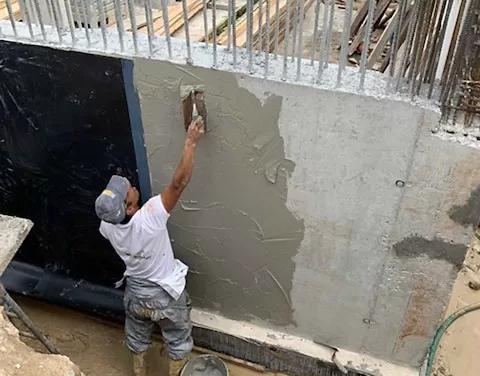
Investigate moisture entering walls, basements, and other vulnerable areas before applying suitable sealing or waterproofing methods to address the identified source.
- Moisture source inspection
- Wall and joint assessment
- Compatible waterproof coating
- Post-treatment condition review
Explore Our Core Services
Click a service to see how we solve the problem — from inspection to a lasting, warranty-backed result.
Roof Inspection
A proper roof inspection helps identify cracks, damaged waterproofing layers, weak joints, and drainage issues. It also helps distinguish roof leakage from plumbing faults or other moisture sources. Understanding the condition of the roof allows the repair plan to address the underlying problem instead of only covering visible stains. The inspection findings help determine the appropriate materials, preparation requirements, and scope of work.
- Inspection and crack repair
- Membrane or chemical coatings
- Written warranty on work
Crack Sealing
Roof cracks can allow rainwater to enter concrete surfaces and reach interior spaces. The correct repair depends on crack width, depth, movement, and surrounding material. Suitable fillers or repair compounds are applied after appropriate preparation. Where cracks indicate structural movement, additional assessment may be necessary before waterproofing begins. Proper crack treatment helps create a more suitable surface for subsequent protective coatings or membranes.
- Apply compatible repair compounds
- Remove loose material
- Assess crack condition
Membrane Systems
Waterproofing membranes help reduce water penetration when the correct system is selected and installed properly. Liquid-applied and sheet membranes have different application requirements, so roof condition, exposure, movement, and drainage must be considered. Particular attention is needed around corners, pipe openings, outlets, and overlapping joints. Following manufacturer specifications for coverage, thickness, curing, and detailing supports reliable system performance.
- Inspect completed application
- Seal joints and edges
- Select a suitable membrane
Terrace Protection
Terrace waterproofing protects exposed floor surfaces and vulnerable connections between floors, walls, drains, and other installations. The treatment should consider existing tiles, surface damage, water accumulation, and the condition of the underlying waterproofing layer. Depending on the findings, the work may involve local repairs or a more comprehensive system. Correct drainage and suitable edge detailing are important parts of a complete terrace protection plan.
- Inspect terrace flooring
- Check drainage arrangements
- Treat corners and joints
Heatproofing Solutions
Roof heatproofing focuses on reducing heat transfer into a building. Reflective coatings and insulation products can help, depending on roof construction and the selected material’s performance. If the roof also leaks, the moisture problem should be addressed before applying the heatproofing system. Product compatibility, surface preparation, and application conditions should be checked to ensure the proposed treatment meets the building’s requirem
- Consider insulation requirements
- Review coating options
- Assess roof heat exposure
Why homeowners rely on us
Honest advice, quality materials and clean work — on every single project.
Skilled Team
Experienced professionals assess roof leakage and recommend suitable repair methods.
Quality Materials
Compatible waterproofing materials support dependable protection against water penetration.
Clear Estimates
Understand proposed repair work, material requirements, and project costs beforehand.
Detailed Inspection
Identify visible cracks, vulnerable joints, drainage issues, and seepage sources.
Tailored Solutions
Choose suitable waterproofing methods according to your property's specific requirements.
Surface Preparation
Proper cleaning and preparation help waterproofing products adhere to surfaces.
Leaking roof or a hot top floor? Let's fix it.
Book a free inspection today. Our expert will visit, find the cause and suggest the right solution.
Four simple steps to a dry home
A clear, hassle-free process from your first call to the final handover.
Get in Touch
Call, WhatsApp or fill the form and tell us about the problem.
Free Inspection
Our expert visits your site and finds the exact source of the issue.
Clear Quotation
You receive a detailed quote with materials, timeline and warranty.
Work & Handover
We complete the treatment on time and hand over your warranty.
Typical projects we solve
Examples of the kinds of problems we fix every week — and how we approach them.
Residential Roof
The problem: Rainwater entered through roof cracks, leaving damp patches across bedroom ceilings and walls.
Our solution: Inspected vulnerable areas, repaired suitable cracks, prepared concrete surfaces, and applied a compatible waterproofing system.
The result: The treatment aimed to reduce water penetration and protect affected interior surfaces.
Terrace Leakage
The problem: Water accumulated on the terrace, increasing leakage risks around joints and drainage outlets.
Our solution: Examined drainage, treated vulnerable corners, repaired affected sections, and installed suitable terrace waterproofing protection.
The result: The repair was designed to improve terrace water resistance and drainage performance.
Commercial Roof
The problem: Deteriorated roof coating exposed vulnerable concrete areas to recurring rainwater penetration.
Our solution: Assessed the existing coating, prepared damaged surfaces, sealed vulnerable details, and applied compatible protective waterproofing materials.
The result: The proposed system aimed to strengthen roof protection and reduce future maintenance needs.
See the difference
Drag the slider to compare our work before and after treatment.
What Our Customers Say.
We don't just fix leaks — we build trust. Real reviews from homeowners and businesses across Lahore, straight from our Google Business profile.
Loading reviews from Google…


 Trustindex verifies that the original source of the review is Google.
 Trustindex verifies that the original source of the review is Google.
 Trustindex verifies that the original source of the review is Google.
 Trustindex verifies that the original source of the review is Google.
 Trustindex verifies that the original source of the review is Google.
 Trustindex verifies that the original source of the review is Google.
 Trustindex verifies that the original source of the review is Google.
 Trustindex verifies that the original source of the review is Google.
Latest tips & guides
Practical advice to help you protect your home from leakage and heat.
Common questions, clear answers
Here are answers to the questions we hear most. Still unsure? Talk to our team for free advice.
Get a Free Quote
How much does roof leakage repair cost in Lahore?
The cost of roof leakage repair in Lahore depends on the size of the affected area, the cause of the leakage, the roof’s condition, and the repair method required. Minor cracks may need limited sealing, while extensive leakage can require surface preparation, damaged coating removal, membrane installation, or drainage improvements.
Material selection also affects the overall cost. Liquid waterproofing, sheet membranes, cementitious coatings, and other systems have different material and installation requirements. Roof accessibility, labour, the number of application layers, and curing time can also influence the quotation.
The best way to obtain a useful estimate is to arrange a roof inspection. Share photographs of the affected area, explain when the leakage occurs, and mention any previous repair work. This information can help establish the likely scope, although an on-site assessment may still be necessary.
Before approving a quotation, ask which areas will be repaired, which materials will be used, whether surface preparation is included, and whether additional work could incur extra charges. Also confirm any applicable warranty conditions.
Waterproofing Hawks provides information about its roof waterproofing services and pricing options online. You can visit the roof waterproofing pricing page or contact the company to confirm current rates and the options available for your property.
What is the best solution for roof leakage?
The best solution for roof leakage depends on the source of the water, the roof material, and the extent of the damage. There is no single waterproofing product that is suitable for every roof. A repair should begin by identifying how water is entering the building.
Small, stable cracks may be treated with compatible repair compounds. Damaged waterproofing coatings may require local repairs or replacement. Flat concrete roofs with widespread surface deterioration may need a more comprehensive membrane or coating system. Leakage around drains, pipes, and wall junctions requires attention to those specific connections.
Drainage should also be checked because standing water can place additional demands on vulnerable areas. If the leak originates from plumbing, a water tank, or a structural defect, that issue must be addressed separately rather than relying on a surface coating alone.
Surface preparation is an important part of the process. Loose material, contamination, and unsuitable existing coatings can affect adhesion and performance. The selected system must be compatible with the roof and applied according to the manufacturer’s instructions.
Waterproofing Hawks offers roof waterproofing services in Lahore. An assessment can help determine whether crack sealing, membrane application, protective coating, or another repair approach is appropriate for your building.
How long does roof waterproofing last?
The lifespan of roof waterproofing depends on the material, installation quality, surface preparation, weather exposure, drainage, and maintenance. A properly selected and installed system may provide protection for several years, but no specific lifespan should be assumed without considering the product and the roof’s condition.
Flexible membranes, liquid-applied coatings, cementitious products, and bituminous systems have different characteristics. Some are designed for particular roof types or exposure conditions, so the material’s technical specifications should be reviewed before installation.
Heavy sunlight, temperature changes, standing water, structural movement, and damage from other maintenance work can affect waterproofing performance. Poor surface preparation or incorrect application can also lead to early failure.
Regular inspections help identify damaged joints, cracks, blocked outlets, and deteriorated coatings before they cause more extensive problems. Owners should follow the maintenance instructions supplied for their particular system and avoid puncturing exposed waterproofing layers without proper repair details.
It is also important to distinguish between a product’s expected service life and a contractor’s warranty. These are not necessarily the same. Before approving a project, request written warranty terms explaining the duration, covered work, exclusions, and maintenance obligations.
Waterproofing Hawks lists roof waterproofing packages with different stated coverage periods on its website. Confirm the currently available package, exact warranty terms, and suitability for your roof directly with the company before making a decision.
Can roof leakage be repaired without removing tiles?
Yes, some roof or terrace leakage problems can be repaired without removing tiles, but the correct approach depends on where the water is entering and the condition of the existing surface. A site inspection helps determine whether a local repair is appropriate or whether the underlying waterproofing layer has failed.
If water is entering through deteriorated grout, certain joints, or a limited accessible defect, compatible repair materials may provide a practical solution. However, water can also pass through cracked tiles, damaged membranes beneath the tiles, defective drainage connections, or poorly sealed wall junctions. In these situations, surface-level repairs may not address the original cause.
Applying a coating over existing tiles is possible only when the selected system is designed for that substrate and the surface meets the manufacturer’s preparation requirements. Loose tiles, trapped moisture, unstable grout, and contamination can affect adhesion and long-term performance.
Before starting work, ask the contractor whether the proposed treatment is a local repair, a coating over the existing finish, or a complete terrace waterproofing replacement. Request clarification about preparation, drainage, expected performance, and any limitations.
Waterproofing Hawks provides waterproofing-related services for roofs and exposed surfaces. You can explore its roof waterproofing service to learn more and discuss the condition of your tiled terrace before selecting a repair method.
Why should I hire professionals for roof leakage repair in Lahore?
Professional roof leakage repair can help identify the actual source of water penetration and select a suitable treatment for the roof’s condition. A visible ceiling stain does not always indicate that the entry point is directly above it. Water can travel through concrete, joints, pipes, and other building components before appearing indoors.
A professional assessment considers cracks, existing waterproofing layers, drainage outlets, parapet walls, pipe penetrations, and previous repairs. This can help distinguish between a damaged roof surface and unrelated problems such as plumbing leaks or condensation.
Contractors should also understand surface preparation, material compatibility, application requirements, and curing times. These details matter because a coating applied over loose material or an unsuitable substrate may not perform as expected.
Before hiring a company, request a written quotation that explains the proposed work, materials, preparation, exclusions, timeline, and applicable warranty. Ask how vulnerable joints and drainage points will be treated, and whether the contractor recommends additional structural or plumbing assessment.
Safety is another important consideration. Roof repairs can involve slippery surfaces, exposed edges, electrical equipment, and heavy materials. Appropriate precautions reduce risks during inspection and installation.
Waterproofing Hawks offers roof waterproofing-related services for properties in Lahore. Visit waterproofinghawks.pk to review the available services and contact details. Discuss your leakage symptoms and request an assessment before deciding which repair method best suits your property