Wall & Ceiling Waterproofing Services in Pakistan
Peeling paint, white salt patches, black mould in the corners and a ceiling that turns yellow every monsoon. Damp walls and ceilings make a home look old, smell musty and slowly weaken plaster and brickwork. Waterproofing Hawks finds where the moisture is coming from and treats walls and ceilings inside and out, so paint stays on and rooms stay dry.
- Free Inspection
- Written Warranty
- Trained Team
We find the real cause
On every project
Request a Free Quote
Share a few details and our team will contact you shortly to arrange a free inspection.
Request a Free Inspection
Walls and ceilings are where moisture problems become visible, but they are rarely where the problem starts. Water reaches them from the roof, from bathrooms and kitchens, from the ground, from leaking pipes and from rain driven against the outside of the house. By the time the paint bubbles, water has usually been travelling through the brickwork for months.
Most houses in Pakistan are built with burnt clay bricks and cement-sand plaster. Both materials are porous. A brick wall can absorb a surprising amount of water and then release it slowly, which is why damp patches often stay long after the rain has stopped. When that water evaporates through the plaster, it carries salts with it and leaves the white, powdery deposits called efflorescence, the shora that many families know well.
Climate makes it worse
The monsoon in Punjab, Islamabad and upper Sindh brings heavy, driven rain for weeks at a time. In Karachi and the coast, humid, salty air keeps walls damp for much of the year. In the north, cold winters mean walls dry slowly. Each region creates its own pattern of damp, but the result is the same: stained walls, flaking paint and repeated repainting that never solves the problem.
Paint is not waterproofing
Many families repaint every year or two, or use a so-called waterproof paint, and the damp returns. That is because paint only covers the surface. If water keeps entering the wall from behind, it will push the paint off again. Real waterproofing stops the water at its source and then treats the wall so it can dry and stay dry.
Where is the damp coming from? Five common sources
Treating damp starts with finding its source. These are the five most common causes we find in walls and ceilings.
1. Roof and terrace leaks
Damp on the top floor ceiling, especially near the edges of the room or under a water tank, usually comes from the roof. It gets worse after rain. See our roof waterproofing service.
2. Bathroom and kitchen leakage
Damp on walls next to bathrooms, or on the ceiling below a bathroom, comes from failed floor and wall waterproofing in the wet area. See bathroom waterproofing.
3. Rising damp from the ground
A damp band along the lower part of ground floor walls, often up to one metre high, with salt deposits along its top edge, means moisture is rising from the foundation because the damp proof course has failed or was never built.
4. Rain penetration through exterior walls
Damp patches on the inside of outside walls that appear after windy rain mean water is passing through cracks, porous plaster or gaps around windows.
5. Hidden pipe leaks
Damp that stays the same in dry and wet weather, or is wet in a line, often points to a leaking water supply or drain pipe inside the wall. Our team checks this first, because no wall treatment will fix a leaking pipe.
Leaking roof or a hot top floor? Let's fix it.
Book a free inspection today. Our expert will visit, find the cause and suggest the right solution.
Signs your walls or ceiling need waterproofing
Bubbling and peeling paint
Paint lifts in blisters or flakes off when moisture pushes from behind it.
White salt deposits
Powdery white patches or crystals on the wall surface are salts carried out by evaporating water.
Yellow or brown ceiling stains
Rings or patches with a darker edge are a sign of water travelling through the slab above.
Black and green mould
Mould grows on surfaces that stay damp. It is often found in corners, behind cupboards and around windows, and it can affect breathing and allergies.
Crumbling plaster
Plaster that turns soft, sandy or hollow has been damaged by long-term moisture and salt.
Musty smell
A damp, earthy smell in a room, especially when it has been closed for a while, is a sign of hidden moisture.
Rusting steel and cracked ceilings
Rust stains, cracks along the line of the steel bars or pieces of concrete falling from the ceiling are serious signs that water has reached the reinforcement. This needs prompt attention.
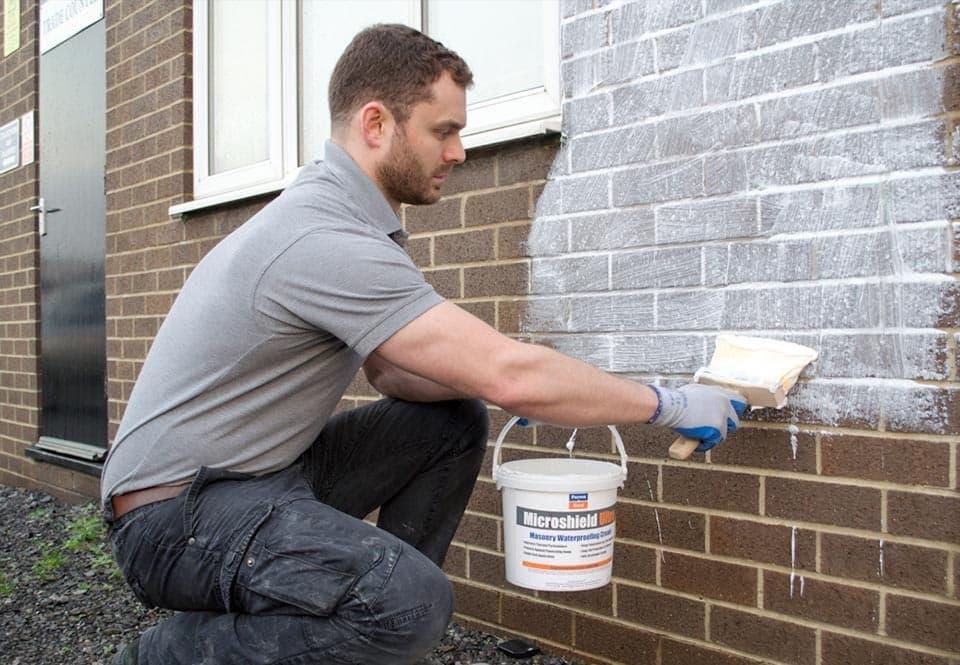
Exterior wall waterproofing
The outside walls of a house take direct rain, sun and dust. In heavy monsoon storms rain is driven sideways into the walls for hours. Once the exterior surface lets water in, it moves through the brick to the inside walls.
What we treat
- Hairline and structural cracks in the exterior plaster
- Gaps around windows, doors, AC holes and pipe entries
- The joint between walls and the roof slab or sunshades (chajja)
- Porous, weathered or hollow plaster
- Parapets and boundary walls that soak up rain from the top
Our method
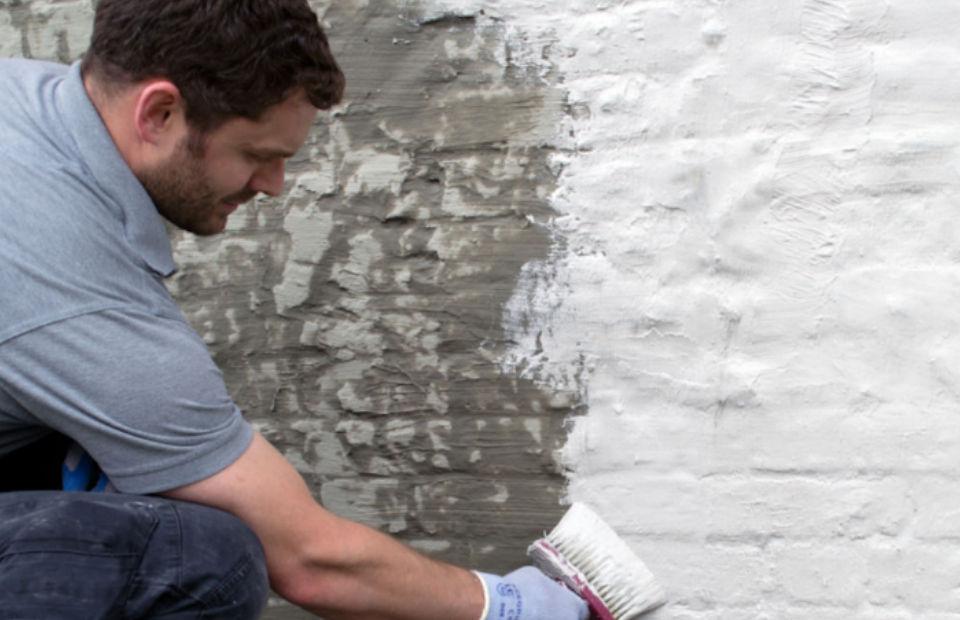
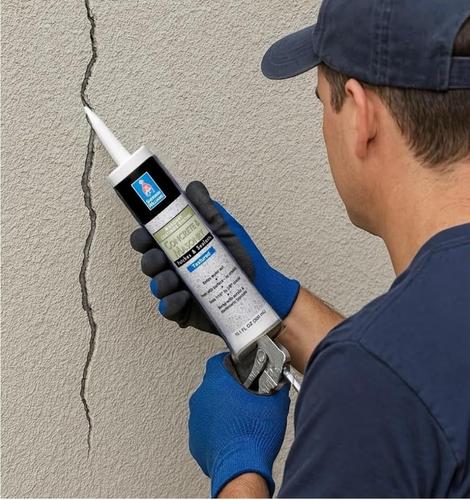
We first repair cracks with flexible fillers or polymer mortar, replace hollow plaster and seal gaps around openings with sealant. Then we apply a breathable exterior waterproofing system, usually an elastomeric acrylic coating or a clear silane-siloxane water repellent. Elastomeric coatings stretch to bridge fine cracks and come in many colours. Clear repellents keep the natural look of exposed brick, stone or textured finishes while stopping rain absorption.
Benefits
Dry exterior walls mean dry interior walls, paint that lasts much longer, less algae and dirt streaking on the outside, and a building that keeps its look for years. See also exterior wall protection and protective coating application.
Why homeowners rely on us
Honest advice, quality materials and clean work — on every single project.
Quality Service
We deliver reliable waterproofing solutions for long-lasting protection.
Skilled Team
Our team focuses on effective wall waterproofing work and protection.
Quick Response
We respond promptly to your wall waterproofing service inquiries.
Fair Pricing
We help customers explore suitable waterproofing options within budgets.
Leak Prevention
Our solutions help reduce water penetration and moisture damage.
Roof Protection
We help protect residential and commercial roofs from leakage.
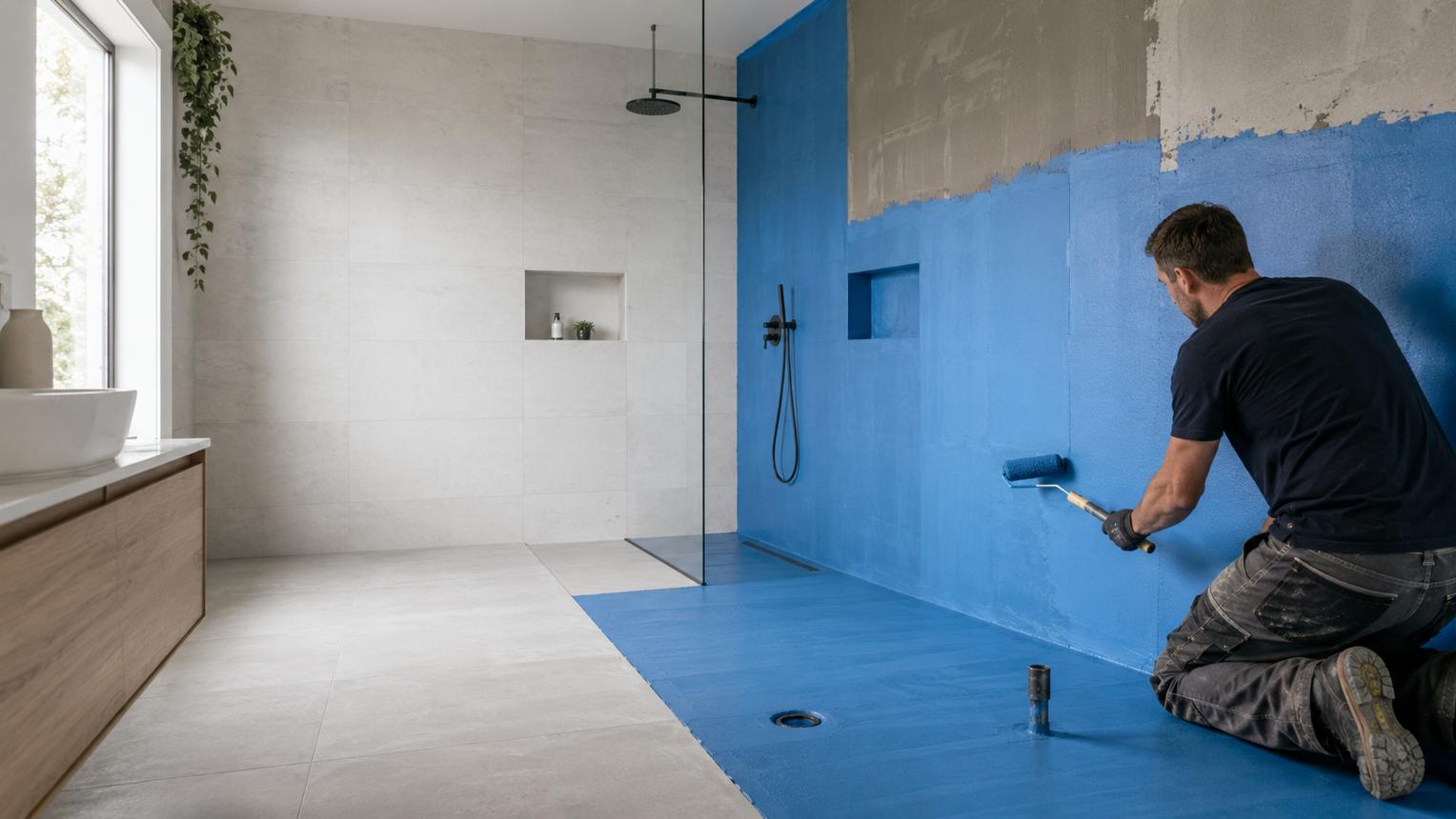
Interior wall and ceiling damp treatment
Once the source has been fixed, inside walls and ceilings still need treatment. Wet, salt-damaged plaster will keep pushing paint off even after the water stops.
1. Removing damaged plaster and paint
We remove paint, putty and plaster that are loose, soft or full of salts, usually to a little beyond the visible damp area.
2. Drying and salt treatment
The exposed wall is allowed to dry and the salts are brushed off and neutralised where needed.
3. Waterproof render or coating
We apply a cementitious waterproof coating or a salt-resistant, waterproof render. On ceilings below wet areas we often use a flexible coating that can handle small movements.
4. Re-plastering and finishing
The wall is re-plastered with a polymer-modified mix, then finished with breathable putty and paint so any small remaining moisture can escape instead of being trapped.
Rising damp treatment for ground floor walls
Rising damp is one of the most common problems in older houses in Lahore, Gujranwala, Faisalabad, Multan, Hyderabad and other cities on the plains, where the groundwater can be close to the surface. Water in the soil is drawn up through the foundation and into the walls like oil in a lamp wick.
How to recognise it
A damp band along the bottom of ground floor walls, usually from the floor up to between half a metre and one metre, with a tide mark of salts at the top. The skirting may be loose, and paint near the floor flakes first.
Why it happens
Houses should have a damp proof course, a waterproof layer at plinth level that stops water rising from the foundation. In many older houses it was never built, was made from weak material, or has been bridged by later floor raising, plaster or soil piled against the wall.
How we treat it
- Chemical damp proof course. We drill a line of holes along the base of the wall and inject a silicone or silane-based cream that forms a water-repellent barrier inside the brickwork.
- Removing salt-damaged plaster up to above the tide mark.
- Salt-resistant waterproof re-plastering on the treated area.
- Fixing bridging. Lowering soil or paving outside that sits above the damp proof level and improving drainage away from the wall.
For more on ground moisture, see our dampness and seepage solutions and basement waterproofing pages.
Four simple steps to a dry home
A clear, hassle-free process from your first call to the final handover.
Get in Touch
Call, WhatsApp or fill the form and tell us about the problem.
Free Inspection
Our expert visits your site and finds the exact source of the issue.
Clear Quotation
You receive a detailed quote with materials, timeline and warranty.
Work & Handover
We complete the treatment on time and hand over your warranty.
Ceiling seepage: what it means and how we fix it
Ceiling damp is always a sign of water above. The question is where exactly it is coming from.
Top floor ceilings
Usually caused by a roof or terrace leak, a cracked water tank base or a blocked rain outlet. The fix is on the roof first, then the ceiling is repaired.
Ceilings below bathrooms and kitchens
Caused by failed floor waterproofing, leaking floor traps or pipe joints in the room above. The bathroom needs to be treated, then the ceiling below.
Ceilings below balconies
Water enters the balcony slab through tiles and the threshold. See terrace and balcony waterproofing.
Ceilings in apartments
Leaks can come from the flat above, from shared pipes in the shaft, or from the roof if you are on the top floor. We help identify the source so the right party can carry out the repair.
Repairing the ceiling itself
Once the source is fixed, we remove damaged plaster, treat any exposed rusting steel with a rust converter and protective coat, repair the concrete with polymer mortar and finish with a breathable coating. Where steel corrosion is serious, see our structural concrete protection service.
Damp walls, mould and a healthy home
Damp walls are not just a cosmetic problem. Mould grows on surfaces that stay damp, and its spores spread into the air of the room. Families with damp bedrooms often notice more coughing, sneezing and allergy symptoms, especially in children and older family members.
What helps
- Fix the water source first, then remove mouldy plaster and paint rather than painting over them.
- Clean small mould spots with a suitable anti-fungal cleaner, wearing gloves and a mask.
- Improve ventilation in bathrooms and kitchens with an exhaust fan, and open windows regularly where possible.
- Keep furniture and wardrobes a few centimetres away from outside walls so air can move behind them.
- Use anti-fungal primers and breathable paint after treatment.
Please note we are waterproofing specialists, not medical professionals. If someone at home is unwell, consult a doctor. We can make sure the damp in your home is dealt with properly.
What Our Customers Say.
We don't just fix leaks — we build trust. Real reviews from homeowners and businesses across Pakistan, straight from our Google Business profile.
Loading reviews from Google…
Posted on Google
 Tayyaba Mughal
Trustindex verifies that the original source of the review is Google.
Bestest waterproofing services of roofPosted on Google Husnain ButtBest waterproofing services in gulbergPosted on Google
 Zoya WasimBest roof treatmentPosted on Google
 manzoor ahmadMera ghr dha 5 hy Bht Acha kam koa hawks team ny m apny friends ko or sb jannay walon ko hawks waterproofing recommend krn ga thanks hawks teamPosted on Google
 syed rameez ashfaqExcellent servicesPosted on Google
 Abdullah KungBht achi services Hn product excellent highly recommended m ny water and heat proofing ka kam krwaya fiber sheet k sath bht Acha result hy abi spa page issue b resolve ho Gia or roof b cool hyPosted on Google
 Muhammad HamzaWork they do it really worths💯 Best Quality💯Posted on Google
 HAMZA MALIKBest heat proofing m ny roof py krwai room ka temperature normal ho gia
Wall and ceiling waterproofing materials we use
| Material | Where we use it | Benefit |
|---|---|---|
| Elastomeric acrylic coating | Exterior walls, parapets | Bridges hairline cracks, reflects heat, many colours |
| Silane-siloxane repellent | Exposed brick, stone, textured exteriors | Clear, breathable, keeps natural look |
| Cementitious waterproof coating | Interior damp walls, below-ground walls | Bonds to damp masonry, resists water pressure |
| Chemical damp proof course | Ground floor walls with rising damp | Creates a barrier inside the wall without demolition |
| Salt-resistant render | Walls with heavy shora | Holds salts inside so they do not ruin the paint |
| Flexible crack fillers and sealants | Cracks, window frames, joints | Moves with the building, stays sealed |
Read more about our acrylic waterproofing membrane and cementitious membrane services.
Damp walls across Pakistan: what changes by region

Damp problems look similar everywhere, but the main cause changes with the climate and the way houses are built in each region.
Central and southern Punjab
In Lahore, Faisalabad, Gujranwala, Multan and nearby cities, heavy monsoon rain and a high water table in many areas make rising damp and roof leakage the top causes. Older houses in the walled cities and inner neighbourhoods often have no damp proof course at all.
Islamabad, Rawalpindi and the Potohar
Intense monsoon storms, hillside plots and cold winters cause rain penetration through exterior walls and slow drying in winter. Houses built on slopes often have damp in walls that are partly below ground on the uphill side.
Karachi and coastal Sindh
Humid, salty sea air keeps walls damp for long periods and speeds up corrosion of steel in ceilings and balconies. Condensation inside rooms with air conditioning is also common. Salt-resistant renders and steel protection are especially important here.
Interior Sindh and southern Punjab
In Hyderabad, Sukkur, Larkana and Bahawalpur, saline groundwater makes rising damp especially damaging, with heavy shora on ground floor walls. Chemical damp proof courses and salt-resistant plaster are often needed.
Khyber Pakhtunkhwa and the north
In Peshawar, Abbottabad, Swat and Gilgit, cold winters and snow in higher areas mean walls that get wet stay wet for months. Freezing water inside cracks can widen them. Good exterior protection and roof waterproofing are the priorities.
Balochistan
In Quetta and other dry areas, rainfall is lower, but sudden heavy storms and winter snow cause roof and wall leakage in homes built without waterproofing, and salts in the soil cause rising damp.
Every damp problem is different, so we quote after a free inspection. Cost depends on:
- The source and how much work is needed to fix it, such as a roof, bathroom, pipe or damp proof course.
- The area of wall or ceiling to be treated.
- How much plaster must be removed and replaced.
- The treatment chosen, for example coatings, injection, renders or repellents.
- Height and access for exterior walls, including scaffolding.
- Finishing, such as putty, primer and paint.
Your written quote lists each part separately so you can see where the cost is and plan the work in stages if needed.
Mistakes that make damp walls worse
Over the years we have seen many well-meant fixes that made the damage spread. Avoid these if you can.
Painting over damp
Fresh paint hides the patch for a few weeks, then bubbles again, often over a bigger area.
Using oil paint or tiles to block damp
Covering a damp wall with oil paint, wall tiles or panelling traps moisture. The water then rises higher or moves sideways into the next room.
Cement plaster over salt-damaged walls
Re-plastering with ordinary cement mortar without removing salts and fixing the source leads to the same white patches within months.
Raising floors without a damp barrier
When floors are raised during renovation, the new floor level often sits above the old damp proof course, so rising damp climbs higher.
Ignoring the roof or bathroom
Treating only the wall while the roof, bathroom or pipe keeps leaking means paying for the wall repair twice.
Our wall and ceiling waterproofing process
1. Free inspection
We visit, check walls, ceilings, roof, bathrooms and pipes, and use moisture meters to map the damp area.
2. Source report and quote
We explain where the water is coming from and what needs to be done, with a written quote that separates source repairs from wall repairs.
3. Fix the source
Roof, bathroom, pipe, exterior crack or rising damp is treated first.
4. Remove damaged finishes
Loose paint, putty and salt-damaged plaster are removed.
5. Waterproof treatment
The right coating, render, injection or repellent is applied for the type of damp.
6. Re-plaster and finish
We re-plaster where needed and apply breathable primer and paint, or hand over ready for your painter.
7. Follow-up
We check back after the next rainy period to make sure the wall has stayed dry.
Why choose Waterproofing Hawks for damp walls and ceilings
- Source first. We do not paint over problems. We find where the water is coming from.
- One team for roof, bathroom and walls. No passing the blame between contractors.
- Breathable, long-lasting finishes that do not trap moisture.
- Clean work inside your home, with furniture covered and debris removed daily.
- Written quote and warranty, with each item listed clearly.
Call or WhatsApp 0321-4156036 or book a free damp inspection.
Related services you may need
Water and heat problems rarely come alone. These related services are often done together with wall & ceiling waterproofing.
Questions about Wall & Ceiling Waterproofing
Answers to the questions customers ask us most about wall & ceiling waterproofing.
0321-4156036
Why does the paint on my wall keep peeling?
Moisture is pushing it off from behind. Until the source of water, such as a roof leak, bathroom seepage, rising damp or rain penetration, is fixed, new paint will keep peeling.
What is the white powder on my walls?
It is efflorescence, often called shora. Water passing through the wall carries salts that crystallise on the surface as it evaporates. It is a sign of ongoing moisture.
Can damp walls be fixed without breaking plaster?
Some cases, such as exterior rain penetration, can be treated with coatings and repellents without removing plaster. Inside walls with salt damage usually need the damaged plaster removed and replaced.
Is waterproof paint enough?
Waterproof paints help on exterior walls that are otherwise sound. They do not fix rising damp, roof leaks or bathroom seepage. They should be part of a proper treatment, not the whole fix.
How long does wall waterproofing take?
A single room usually takes two to five days including drying time. Exterior wall treatments depend on the height and area of the building.
How do I know if it is rising damp or a leak?
Rising damp appears as a band at the bottom of ground floor walls with a salt line on top and does not change much with rain. Leaks appear higher up, often get worse after rain or water use, and are not limited to the ground floor.
Can you fix ceiling damp from the flat above?
We can identify the source and treat it if the owner of the flat above agrees. We then repair your ceiling once the source is fixed.
Do you provide a warranty?
Yes. Our full wall and ceiling treatments come with a written warranty, stated in the quote.
Do you also do the painting after treatment?
Yes. We can finish the treated walls with breathable putty, primer and paint, or leave them ready for your own painter.
Is it better to treat the inside or the outside of the wall?
It depends on the source. Rain penetration is best stopped from the outside. Rising damp and below-ground walls are often treated from the inside or at the base. We recommend the right side after inspection.
Latest tips & guides
Practical advice to help you protect your home from leakage and heat.