Basement Waterproofing Services in Lahore
Protect your basement from leaks, seepage, damp walls, and water damage with professional basement waterproofing solutions in Lahore from Waterproofing Hawks.
- Free Inspection
- Written Warranty
- Trained Team
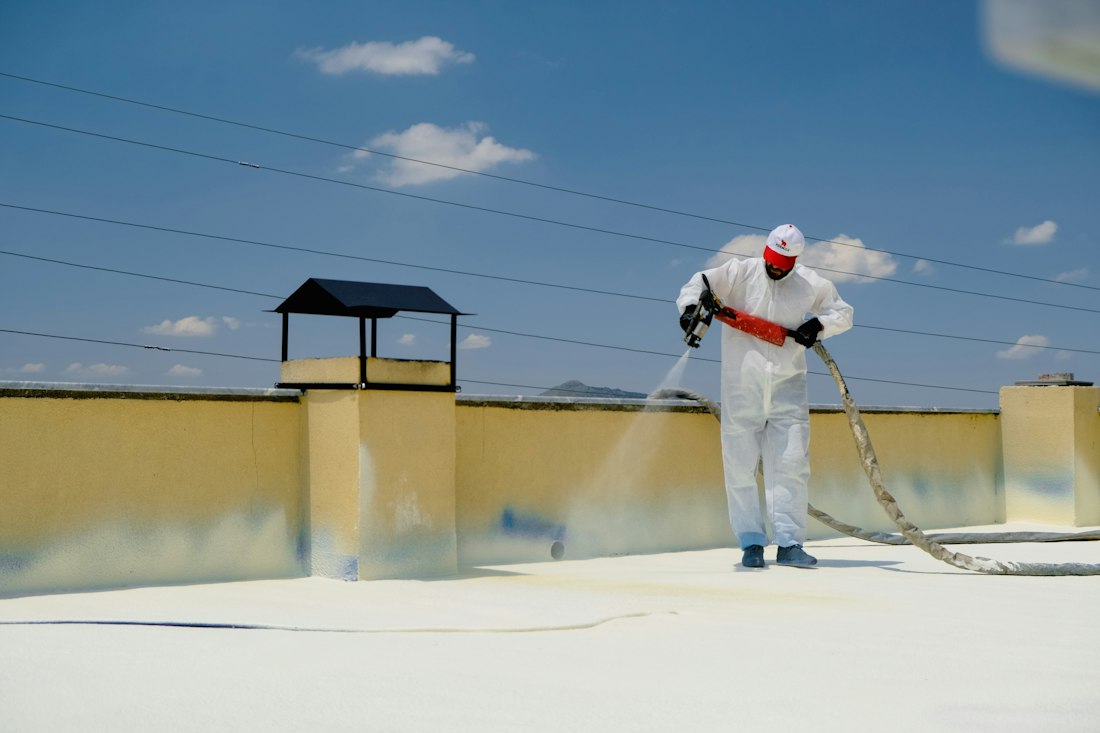
We find the real cause
On every project
Request a Free Quote
Share a few details and our team will contact you shortly to arrange a free inspection.
Request a Free Inspection
Share your details and photos. We will send your quote on WhatsApp.
Trusted by Homeowners & Businesses Across Lahore


Protecting homes from water & heat
Everything you need to know about our waterproofing and heat proofing work.
Basement Waterproofing Lahore – Protect Your Property from Water Damage
A basement is an important part of many residential, commercial, and industrial properties. It may be used for storage, parking, offices, utility rooms, or additional living space. However, because basements are located below ground level, they can be exposed to moisture, groundwater pressure, seepage, and water leakage through concrete walls and floors. Without suitable protection, these problems may damage interior finishes, create unpleasant odours, and interfere with the safe use of the space. Waterproofing Hawks provides basement waterproofing solutions in Lahore designed to address moisture entry and help protect underground structures.
Our approach begins with understanding the source of the water problem. Basement dampness can develop because of cracks in concrete, poorly sealed construction joints, leaking water pipes, inadequate drainage, defective waterproofing membranes, or water accumulating around the foundation. Each cause requires a suitable treatment. Applying a coating without identifying the underlying problem may provide only temporary improvement, so proper inspection and preparation are essential.
Professional Basement Waterproofing in Lahore
Basement waterproofing involves creating a protective system that helps prevent water from entering below-ground spaces. Depending on the building design and the source of leakage, the solution may involve external waterproofing membranes, internal waterproof coatings, cementitious waterproofing, polyurethane crack injection, joint sealing, drainage improvements, or a combination of appropriate methods.
Waterproofing Hawks can help property owners understand which treatment may be suitable for their basement. Our recommended approach considers the existing construction, visible damage, moisture conditions, accessibility, and intended use of the space. External waterproofing may be appropriate when the outside foundation can be accessed, while internal systems may be considered when excavation is impractical. The correct choice depends on the condition of the structure and the route through which water enters.
Common Basement Leakage Problems
Basement water problems can appear in several forms. You may notice damp patches on walls, peeling paint, white mineral deposits, discoloured plaster, water collecting on the floor, or moisture around wall-to-floor joints. Some properties experience leakage only during heavy rainfall, while others develop persistent dampness throughout the year.
Small cracks can provide pathways for water, especially when water pressure builds up outside the foundation. Construction joints and service penetrations can also become weak points if they have not been sealed properly. In other situations, damaged rainwater pipes or plumbing installations may be responsible for the moisture.
Identifying these warning signs early can help property owners investigate the cause before additional repairs become necessary. However, not every damp patch indicates groundwater penetration. Plumbing leaks, condensation, and ventilation problems can produce similar symptoms. A careful assessment helps distinguish between these issues and prevents unnecessary waterproofing work.
Basement Wall and Floor Waterproofing
Basement walls and floors require suitable protection because they may remain in contact with surrounding soil and moisture. The waterproofing system must be compatible with the substrate, expected water exposure, and construction details. Surface preparation is particularly important because loose coatings, dust, contaminated concrete, and unsuitable repairs can affect adhesion.
Basement wall waterproofing may involve repairing cracks, sealing joints, applying a compatible waterproof coating, or installing a membrane where accessible. Basement floor waterproofing may require attention to cracks, floor joints, penetrations, and connections between the floor slab and walls. These junctions deserve particular care because water can enter through weak connections even when larger surfaces appear sound.
Where external access is possible, an external membrane may help prevent water from reaching the foundation structure. If excavation is not practical, an internal waterproofing system may be considered. In areas subject to significant water pressure, the design may also need drainage or pressure-management measures. The final recommendation should be based on an assessment rather than a one-size-fits-all product.
Foundation Waterproofing and Structural Protection
Foundation waterproofing is an important part of protecting underground building components from moisture exposure. The foundation, retaining walls, concrete joints, and service entries may all influence basement performance. A suitable waterproofing strategy considers these components together rather than treating a visible leak as an isolated surface problem.
Waterproofing Hawks can help identify potential entry points and explain suitable repair options for the affected area. Cracks should be assessed to determine whether they are stable, active, or potentially associated with structural movement. Ordinary waterproofing materials are not a substitute for structural repairs when a crack indicates a serious building issue. Where necessary, a qualified structural professional should assess the condition before waterproofing proceeds.
Good foundation protection also depends on construction details. Properly sealed penetrations, compatible joint systems, suitable surface preparation, and effective drainage can all contribute to long-term performance. When external excavation is involved, the surrounding area must be handled carefully to avoid damaging existing utilities or destabilising nearby structures.
Waterproofing Methods for Different Basement Conditions
There is no single waterproofing system that suits every basement. Cementitious coatings may be appropriate for certain prepared concrete surfaces and internal applications. Liquid-applied membranes can create a continuous protective layer when installed according to the product requirements. Sheet membranes may be suitable for accessible external foundation surfaces, while injection systems can address selected cracks and joints.
Crystalline waterproofing products may be considered for compatible concrete substrates under specified conditions. Polyurethane injection may help seal certain water-bearing cracks, but the product and application method must match the type of crack and moisture conditions. Drainage systems may also be needed where water accumulation or hydrostatic pressure is part of the problem.
The selection process should consider whether water is actively flowing, the condition of the concrete, the availability of external access, and whether the proposed system can withstand the expected exposure. Manufacturer instructions, curing requirements, and compatibility between repair materials are important. Combining several products without a suitable system design can create failures at joints or between layers.
Our Basement Waterproofing Process
A successful project begins with an inspection of the affected basement. The assessment should identify visible moisture, possible leakage paths, the condition of concrete and existing coatings, and any relevant drainage or plumbing concerns. Photographs and notes can help document the condition before work begins.
The next stage is selecting an appropriate treatment. Depending on the findings, the work may include cleaning the surface, removing loose material, repairing cracks, sealing joints, preparing the substrate, and applying a suitable waterproofing system. Where external waterproofing is necessary, access and excavation requirements must be evaluated before work starts.
Application is followed by the curing or setting period specified for the chosen materials. Where suitable, inspections or tests can be used to assess the completed system before surfaces are covered or the basement returns to normal use. The required testing method depends on the system and site conditions; a flood test is not appropriate for every installation.
Finally, property owners should receive clear information about the treatment performed, maintenance considerations, and any limitations that remain. If water continues to enter after repairs, the source should be reassessed rather than repeatedly covering the same damp patch.
Residential and Commercial Basement Waterproofing
Residential basements may be used as storage rooms, parking areas, laundry spaces, home offices, or additional accommodation. Moisture can damage stored belongings, finishes, and electrical installations. Commercial basements may contain equipment, inventory, service rooms, or operational areas where water intrusion can disrupt business activities.
Waterproofing Hawks can help residential and commercial property owners in Lahore explore solutions appropriate to their buildings. Project planning may consider access, operating schedules, ventilation, surface preparation, and the need to protect nearby rooms. Where electrical equipment or valuable materials are exposed to water, immediate safety measures may be required before waterproofing work begins.
The scope of work depends on the building’s condition and the areas affected. Some projects may require a focused crack repair, while others need a more comprehensive waterproofing and drainage strategy. Clear inspection findings and a defined work plan help property owners understand the recommended treatment.
Why Choose Waterproofing Hawks?
Selecting a basement waterproofing provider involves more than choosing a coating. The quality of the diagnosis, preparation, detailing, material selection, and installation can significantly influence the result. A system that is suitable for one building may not be appropriate for another.
Waterproofing Hawks focuses on understanding basement leakage concerns and recommending treatment according to site conditions. Property owners should expect clear explanations of the proposed work, the areas to be treated, the preparation required, and the limitations of the selected system. Any quotation, warranty, or completion commitment should be confirmed in writing according to the actual project.
If your basement has damp walls, floor seepage, visible cracks, or recurring water leakage, arrange an inspection to investigate the cause. Early assessment can help you understand the repair options and plan the work before moisture causes additional disruption.
For related solutions, explore our Roof Waterproofing, Bathroom Waterproofing, and Waterproofing Services pages if these pages are available on your website. To discuss your basement, visit our Contact Us page and request an assessment.
Waterproofing Hawks aims to help Lahore property owners make informed decisions about basement protection through appropriate inspection, suitable waterproofing methods, and careful attention to the details that influence performance.
Basement Seepage Treatment in Lahore for Homes and Commercial Buildings
Basement seepage is a common concern in underground spaces where moisture can pass through concrete walls, floor slabs, construction joints, and foundation penetrations. A basement may appear dry during one season and develop damp patches or water leakage after rainfall, plumbing failures, or changes in surrounding moisture conditions. Addressing seepage properly requires identifying the source and selecting a treatment that suits the building.
Waterproofing Hawks offers basement waterproofing guidance for property owners looking to investigate leakage, improve moisture protection, and maintain usable underground spaces. The right solution depends on whether water is entering from outside, travelling through cracks, escaping from plumbing, or forming because of condensation. Treating the wrong cause can waste time and money, so a systematic assessment is an important first step.
Understanding Basement Seepage
Seepage occurs when moisture moves through or around building materials and appears on interior surfaces. Concrete is strong, but it is not automatically waterproof. Poorly sealed joints, shrinkage cracks, damaged membranes, porous masonry, and construction defects can allow water to pass through a basement structure.
Water pressure can make the situation more difficult. When the soil surrounding a basement becomes saturated, water may press against below-ground walls and floor slabs. This pressure can drive moisture through weaknesses in the structure. Surface coatings alone may not resolve the problem if the underlying cause involves substantial water pressure or inadequate drainage.
Some basement moisture problems are caused by condensation rather than water passing through the foundation. Warm, humid air can form droplets on cold concrete, metal pipes, and other cool surfaces. Plumbing leaks can also create damp areas that resemble groundwater seepage. Identifying the difference helps determine whether waterproofing, plumbing repairs, ventilation improvements, or several measures are required.
Warning Signs That Need Attention
Visible warning signs include damp patches, peeling paint, blistering finishes, white powdery deposits, musty odours, mould growth, and recurring wet areas near the floor. Water may also appear around pipe penetrations, expansion joints, or corners where basement walls meet the slab.
A sudden increase in water, rapidly widening cracks, bulging walls, or movement in structural elements should not be treated as a routine cosmetic issue. Such conditions may indicate a more serious problem and require prompt assessment by appropriately qualified professionals. If water is near electrical systems, avoid the affected area and arrange safe inspection before attempting repairs.
Keeping a record of when leakage appears can also be helpful. Note whether it follows rain, occurs when plumbing is used, or appears even during dry weather. This information can help narrow down possible causes during the inspection.
Internal Basement Waterproofing
Internal waterproofing is often considered when the exterior foundation cannot be accessed without major excavation. Depending on the conditions, an internal system may use a compatible cementitious coating, liquid-applied waterproofing product, crack injection, or a managed drainage system.
The existing surface must be suitable for the selected treatment. Loose paint, weak plaster, contaminated concrete, and damaged coatings may need removal. Cracks and joints should be assessed and treated using materials intended for their specific condition. Applying a waterproof layer over a poorly prepared surface may lead to blistering, separation, or continued leakage.
It is also important to understand the limitations of internal waterproofing. A surface coating may resist moisture under certain conditions, but it may not withstand significant negative-side water pressure unless the product is specifically designed for that use. Where groundwater pressure is substantial, an engineered drainage or pressure-management system may be required. The proposed method should explain how water will be controlled and what limitations remain.
External Basement Waterproofing
External waterproofing aims to protect the foundation from water before it reaches the basement wall. When the outside of the foundation is accessible, the work may involve excavation, cleaning and preparing the wall, repairing defects, applying a suitable membrane, protecting that membrane, and addressing drainage around the foundation.
The membrane must be compatible with the substrate and expected exposure. Detailing around joints, corners, service penetrations, and the base of the wall is especially important because water can enter at poorly treated transitions. Protective boards or other specified layers may be needed to prevent damage while the excavated area is backfilled.
External work requires careful planning. Excavation near existing buildings, underground utilities, retaining structures, or neighbouring properties may present safety and access challenges. The work should be planned and carried out by suitably experienced personnel, with necessary precautions for the site. External waterproofing can be highly appropriate in suitable conditions, but it is not automatically the best option for every basement.
Crack Injection and Joint Sealing
Cracks and construction joints are frequent pathways for water. The appropriate repair depends on crack width, movement, moisture conditions, and whether the crack has structural significance. Flexible injection resins may be used for certain leaking cracks, while rigid repair materials may suit selected stable defects. Water-bearing joints may require specialised sealing products.
Injection work requires correct preparation, material selection, and application technique. A product that works for a stable crack may be unsuitable for a moving joint. Likewise, sealing a visible opening without addressing water movement behind the surface may fail to provide the intended result.
Where a crack is associated with structural movement, settlement, or deformation, waterproofing should not be treated as the only solution. A qualified structural professional may need to determine the cause and specify repairs before moisture protection is completed.
Drainage and Water Management
Drainage can be an important part of a basement waterproofing strategy. Roof runoff, blocked drains, poorly directed downpipes, and water collecting beside a foundation can increase moisture exposure. Correcting these conditions may reduce the amount of water reaching the basement structure.
Depending on the property, useful measures may include directing rainwater away from the building, maintaining suitable surface grading, repairing leaking drainage pipes, clearing appropriate drains, and assessing existing foundation drainage. In some cases, an internal perimeter drainage system and sump pump may be considered to collect and discharge water. Such systems require proper design, maintenance, and safe discharge arrangements.
A sump pump is not a substitute for every waterproofing defect, and drainage solutions must comply with applicable requirements. Pumps, discharge lines, and backup provisions should be considered according to the consequences of failure and the site’s conditions.
Choosing Suitable Waterproofing Materials
Waterproofing products differ in flexibility, adhesion, permeability, chemical resistance, curing requirements, and suitability for particular surfaces. Cementitious coatings may work well for selected concrete applications, while liquid-applied membranes can form continuous barriers when applied at the required thickness. Sheet membranes may be appropriate for accessible exterior walls, and injection resins may target selected cracks.
Material selection should account for water pressure, substrate moisture, temperature, movement, and whether the system will be exposed to water from the positive or negative side. Compatibility between primers, repair mortars, membranes, and protective layers also matters. Following the manufacturer’s instructions helps avoid problems caused by incorrect mixing, insufficient coverage, or premature exposure to water.
No material should be presented as a universal solution. The best choice is the system designed for the actual conditions of the basement and installed according to its technical requirements.
Our Inspection and Repair Process
The first step is to inspect visible moisture and identify likely entry points. The assessment may include walls, floors, joints, cracks, pipe penetrations, existing coatings, and drainage conditions. If necessary, the investigation may also consider plumbing tests, moisture measurements, or specialist structural assessment.
Once the likely cause is understood, the repair plan should explain the work area, preparation, proposed materials, application sequence, curing period, and any access requirements. If excavation or drainage work is needed, these elements should be included in the scope. Property owners should also understand whether furnishings or stored items must be removed before the work starts.
Following the repair, the system should be allowed to cure according to its technical instructions. Appropriate inspection or testing can then be carried out where the system permits it. The building should be monitored for recurring moisture, particularly after the conditions that previously caused leakage.
Maintaining a Dry Basement
Maintenance helps preserve the performance of waterproofing systems. Property owners should periodically inspect accessible walls, floor joints, plumbing, drains, and areas around service penetrations. Rainwater pipes and drains should be kept in suitable working condition, and water should not be allowed to accumulate beside the foundation.
Ventilation and humidity control may help where condensation contributes to dampness. However, ventilation alone will not resolve water entering through a leaking foundation. Persistent mould or musty odours should be investigated to determine whether the source is seepage, condensation, or another moisture problem.
If new cracks or wet areas appear, investigate them early rather than covering them with paint. Prompt diagnosis can help identify whether the original system needs maintenance or whether a new source of water has developed.
Basement Waterproofing Services in Lahore
Waterproofing Hawks helps property owners explore suitable solutions for basement seepage, wall leakage, floor moisture, concrete cracks, and foundation protection. Each property presents different conditions, so recommendations should be based on inspection findings rather than assumptions.
Whether you manage a house, commercial building, storage facility, or another underground space, a properly planned waterproofing strategy can help reduce water-related disruption. Ask for a clear explanation of the recommended treatment, the materials involved, and any limitations or maintenance requirements.
For more information, explore our Roof Waterproofing, Bathroom Waterproofing, and Foundation Waterproofing pages if available. You can also use our Contact Us page to discuss a basement leakage concern.
Waterproofing Hawks aims to provide practical basement waterproofing guidance that helps Lahore property owners understand their options and choose a treatment appropriate to their building, moisture conditions, and long-term maintenance needs.
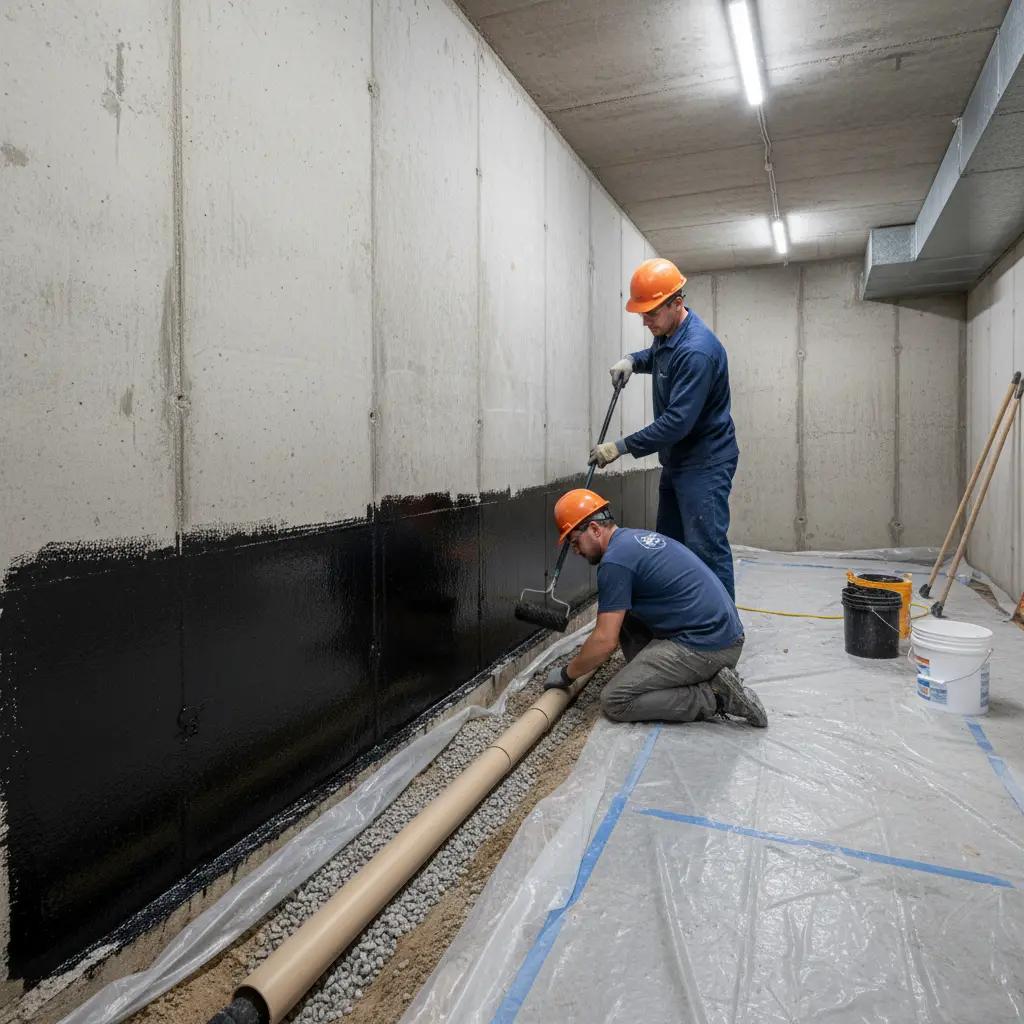
Basement Waterproofing
Protect your underground space with suitable waterproofing systems designed to reduce moisture penetration, address leakage pathways, and help preserve basement walls, floors, and interior finishes.
- Waterproofing system assessment
- Surface preparation and repair
- Waterproof coating application
- Basement moisture inspection
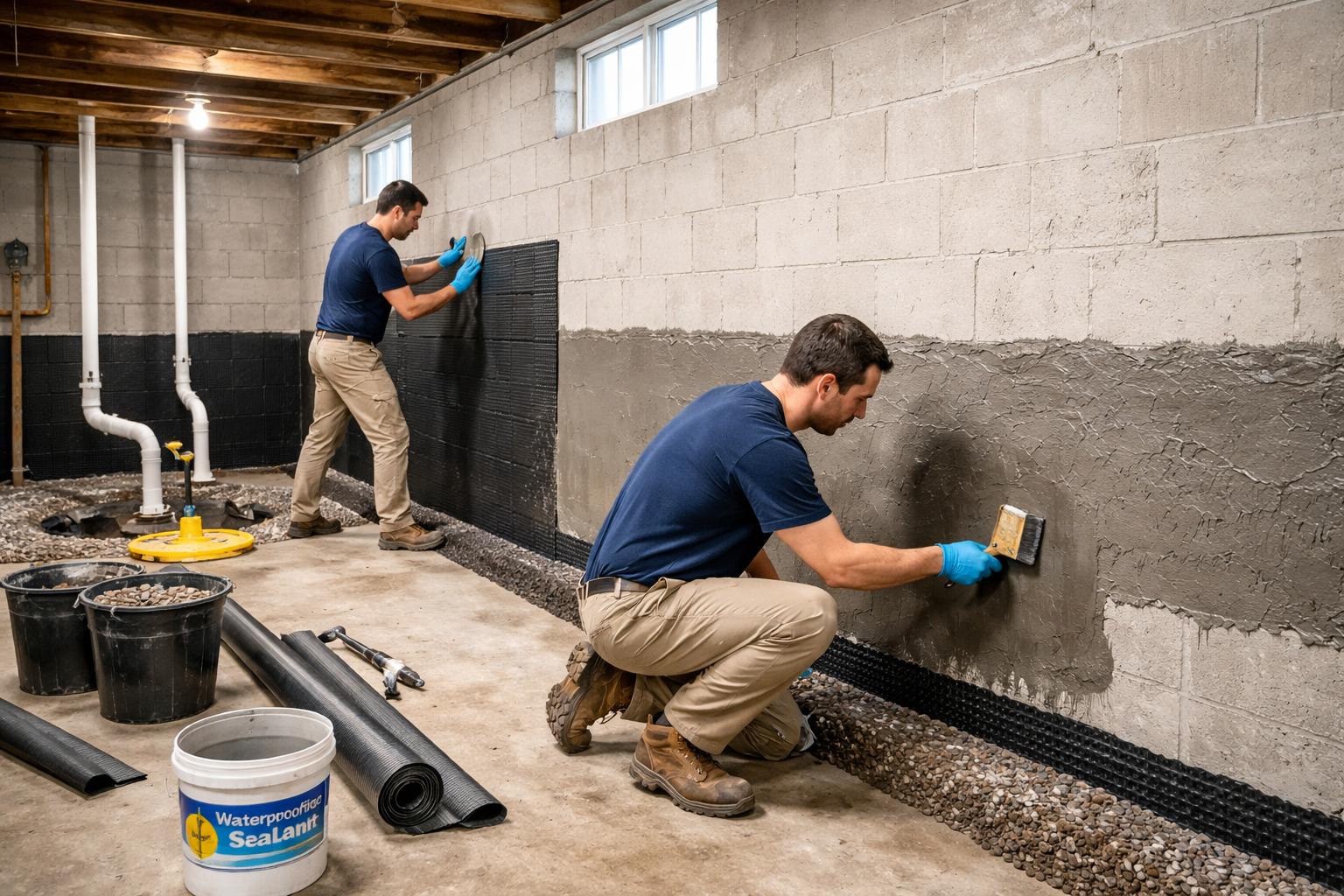
Seepage Treatment
Investigate damp walls, recurring wet patches, and water penetration to identify likely moisture sources and recommend suitable basement seepage treatment for your property.
- Seepage source assessment
- Moisture entry point sealing
- Damp surface treatment
- Post-repair condition inspection
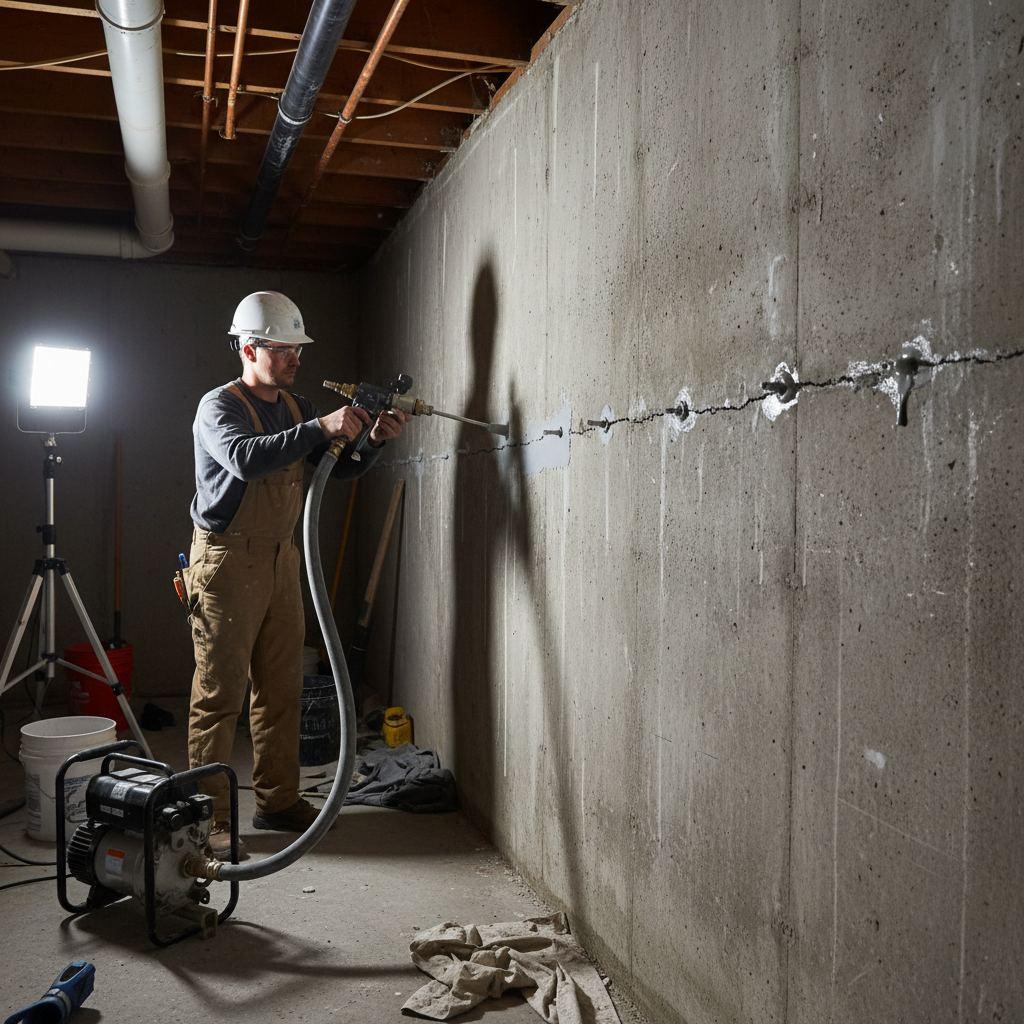
Crack Repair
Address suitable concrete cracks and leaking joints with compatible repair materials and injection techniques selected according to crack movement, water exposure, and structural conditions.
- Concrete crack inspection
- Crack injection treatment
- Construction joint sealing
- Structural concern identification
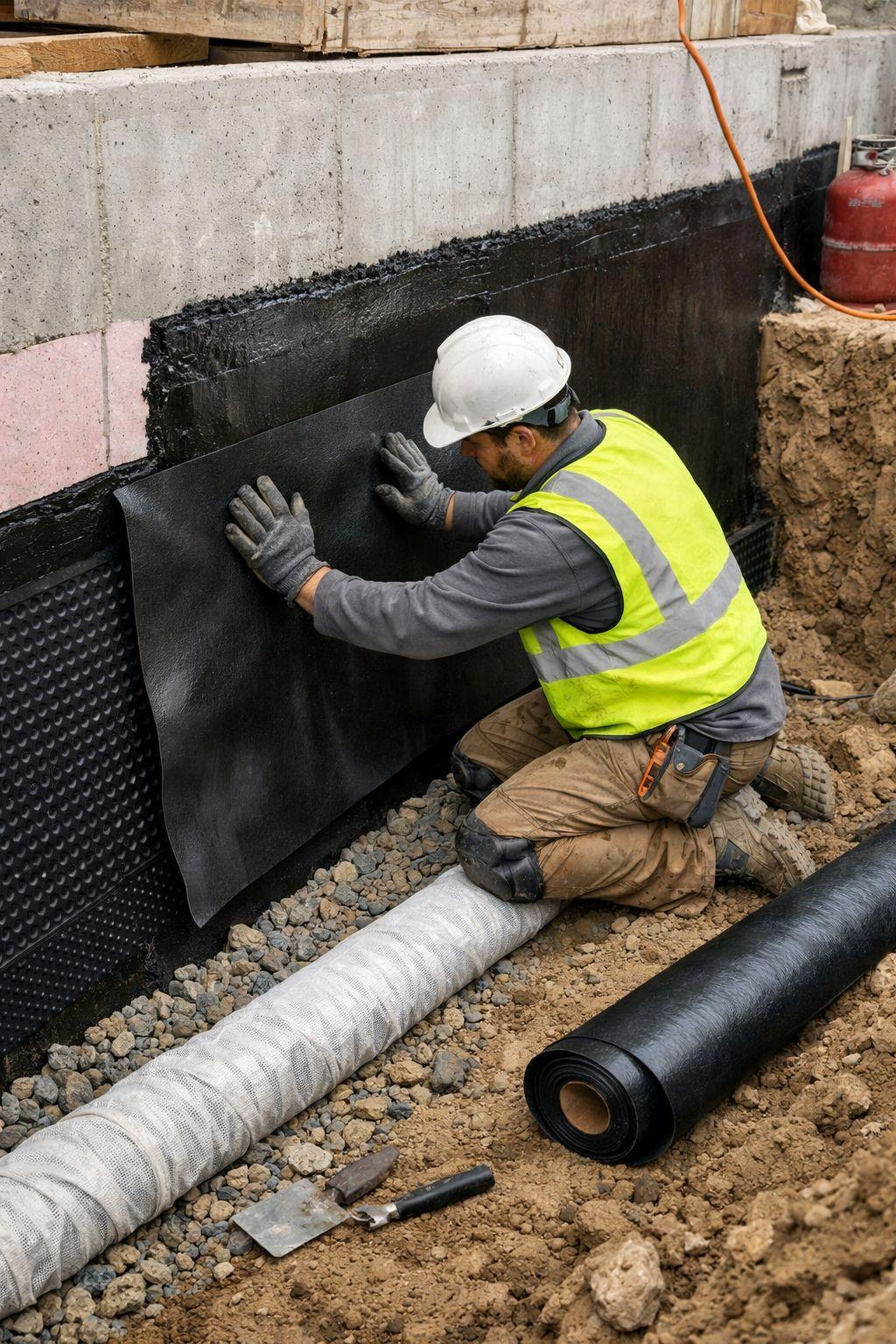
Foundation Waterproofing
Help protect below-ground foundation walls from moisture by selecting suitable external membranes, protective layers, and detailing methods according to site accessibility and exposure.
- Foundation surface preparation
- External membrane application
- Joint and penetration detailing
- Protective layer installation
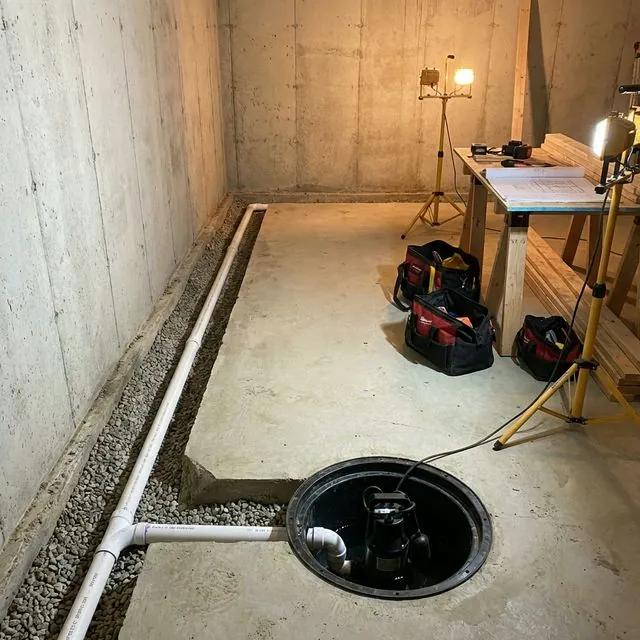
Basement Drainage
Manage water accumulation with appropriately planned drainage measures that help collect and direct water away from vulnerable basement areas where site conditions permit.
- Drainage condition inspection
- Sump pump planning
- Water accumulation assessment
- Drainage maintenance guidance
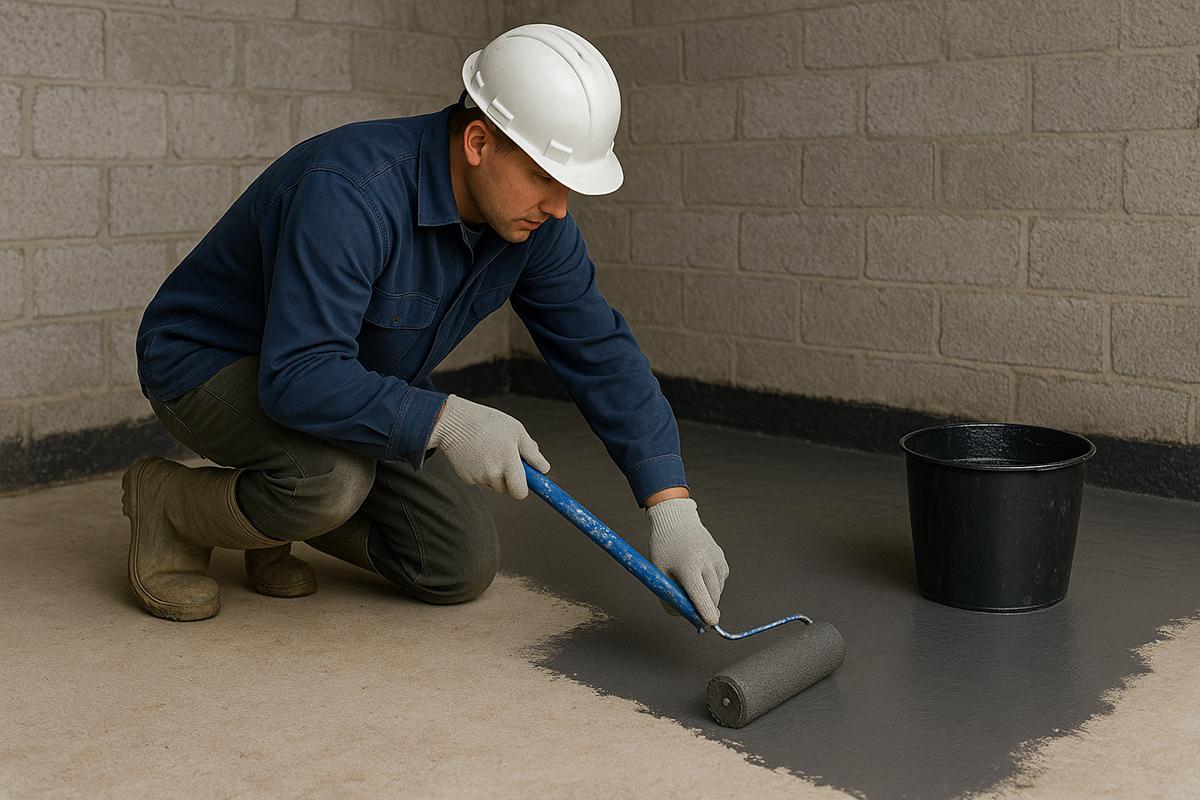
Improve basement floor moisture protection using compatible waterproofing systems, suitable crack repairs, and careful treatment of wall-to-floor connections and service penetrations.
- Floor surface preparation
- Wall-floor joint sealing
- Concrete crack treatment
- Floor surface preparation
Explore Our Core Services
Click a service to see how we solve the problem — from inspection to a lasting, warranty-backed result.
Basement Protection
Our basement protection service focuses on identifying moisture entry points and selecting appropriate waterproofing methods for underground walls and floors. We consider concrete condition, existing coatings, water exposure, and accessibility before recommending a treatment. Proper preparation and careful detailing help the selected system perform as intended. Whether the concern involves damp patches or recurring leakage, the first step is understanding the cause and defining a suitable repair plan.
- Basement condition inspection
- Suitable membrane or coating
- Surface preparation
Seepage Control
Basement seepage can damage finishes and make underground spaces difficult to use. Our approach begins with investigating the likely moisture source, including cracks, joints, groundwater exposure, plumbing, and drainage conditions. We then identify suitable repair options based on the findings. Treating the source instead of simply covering damp marks helps property owners make more informed decisions about moisture control and future maintenance.
- Moisture source assessment
- Leakage pathway treatment
- Damp area inspection
Crack Repair
Concrete cracks can allow water to enter a basement, but not every crack requires the same treatment. We consider the crack’s location, movement, moisture conditions, and possible structural significance before recommending a repair method. Compatible injection materials, repair mortars, or joint sealants may be appropriate for selected conditions. Cracks that suggest structural movement should receive qualified assessment before waterproofing repairs are finalised.
- Crack condition assessment
- Compatible repair materials
- Joint and penetration sealing
Foundation Care
Foundation waterproofing helps reduce moisture exposure around below-ground building components. Depending on access and site conditions, a suitable system may involve an external membrane, joint detailing, surface repairs, and protective layers. Drainage and water accumulation around the property should also be considered. A properly planned approach accounts for foundation condition, construction details, and installation requirements rather than relying on a coating alone.
- Foundation inspection
- Membrane and joint detailing
- Foundation inspection
Water Management
Effective water management can help reduce pressure and moisture exposure around a basement. We consider surface runoff, rainwater pipes, existing drains, and areas where water accumulates near the foundation. Depending on the findings, improvements may include drainage maintenance, water diversion, or a suitably designed sump system. Drainage must be planned for the site and should complement, rather than replace, necessary structural waterproofing.
- Runoff assessment
- Drainage pathway inspection
- Runoff assessment
Why homeowners rely on us
Honest advice, quality materials and clean work — on every single project.
Detailed Inspection
We investigate visible leakage and moisture before recommending suitable treatments.
Quality Materials
We select compatible waterproofing materials according to project requirements.
Skilled Application
Careful preparation and installation support dependable waterproofing system performance.
Property Protection
Our solutions address basement moisture risks in residential and commercial buildings.
Clear Planning
We explain proposed treatments, preparation needs, and relevant project limitations.
Complete Solutions
We consider cracks, joints, membranes, and drainage within suitable waterproofing plans.
Leaking roof or a hot top floor? Let's fix it.
Book a free inspection today. Our expert will visit, find the cause and suggest the right solution.
Four simple steps to a dry home
A clear, hassle-free process from your first call to the final handover.
Get in Touch
Call, WhatsApp or fill the form and tell us about the problem.
Free Inspection
Our expert visits your site and finds the exact source of the issue.
Clear Quotation
You receive a detailed quote with materials, timeline and warranty.
Work & Handover
We complete the treatment on time and hand over your warranty.
Typical projects we solve
Examples of the kinds of problems we fix every week — and how we approach them.
Residential Basement
The problem: A residential basement experienced recurring damp patches, peeling paint, and moisture near wall-floor joints.
Our solution: We proposed inspecting leakage sources, repairing suitable cracks, treating joints, and applying a compatible waterproofing system.
The result: The planned treatment targets moisture entry points and supports better basement protection and maintenance.
Commercial Basement
The problem: Moisture appeared along basement walls, creating concerns about stored equipment and interior surface deterioration.
Our solution: We proposed a site assessment, targeted crack repairs, compatible membrane treatment, and drainage condition improvements.
The result: The proposed approach addresses identified risks and helps protect commercial basement spaces from moisture damage.
Foundation Protection
The problem: Water exposure around below-ground foundation walls raised concerns about leakage and deterioration.
Our solution: We proposed evaluating external access, preparing concrete, sealing appropriate joints, and installing a suitable foundation membrane.
The result: The proposed system aims to reduce foundation moisture exposure and improve long-term protection.
See the difference
Drag the slider to compare our work before and after treatment.
What Our Customers Say.
We don't just fix leaks — we build trust. Real reviews from homeowners and businesses across Lahore, straight from our Google Business profile.
Loading reviews from Google…


 Trustindex verifies that the original source of the review is Google.
 Trustindex verifies that the original source of the review is Google.
 Trustindex verifies that the original source of the review is Google.
 Trustindex verifies that the original source of the review is Google.
 Trustindex verifies that the original source of the review is Google.
 Trustindex verifies that the original source of the review is Google.
 Trustindex verifies that the original source of the review is Google.
 Trustindex verifies that the original source of the review is Google.
Latest tips & guides
Practical advice to help you protect your home from leakage and heat.
Common questions, clear answers
Here are answers to the questions we hear most. Still unsure? Talk to our team for free advice.
Get a Free Quote
What is basement waterproofing, and why is it important in Lahore?
Basement waterproofing is the process of protecting below-ground walls, floors, joints, and foundation components from unwanted water penetration. It may involve waterproofing membranes, cementitious coatings, crack injection, joint sealing, and drainage improvements, depending on the condition of the property.
In Lahore, basement moisture can be associated with rainfall, groundwater conditions, plumbing leaks, construction defects, and inadequate drainage around a building. However, the exact cause varies from one property to another. A damp wall does not automatically mean that groundwater is entering through the foundation.
Water penetration can damage paint, plaster, flooring, stored belongings, and other interior finishes. Persistent moisture can also encourage mould growth when suitable conditions exist. Where electrical equipment is located in the basement, water intrusion can create additional safety concerns.
Professional basement waterproofing begins with identifying the source of moisture. An appropriate solution may involve repairing cracks, treating joints, applying a compatible waterproofing system, or improving drainage. Some situations require several measures rather than one product.
Waterproofing Hawks can help property owners explore basement waterproofing options in Lahore according to their building’s condition and requirements. An inspection should establish the likely cause, recommended treatment, work scope, and maintenance considerations before a final decision is made.
What are the common signs that a basement needs waterproofing?
Several signs may indicate that a basement needs a closer inspection. These include damp patches on walls, peeling paint, blistering coatings, white mineral deposits on concrete, musty smells, visible water, and recurring wet areas near floor joints.
You may also notice water entering around pipe penetrations, construction joints, or cracks in basement walls. Some properties develop moisture only after heavy rainfall, while others experience persistent dampness regardless of weather. Recording when the problem appears can help identify the likely source.
However, these symptoms do not always indicate a failed waterproofing system. Condensation can form when humid air meets cold basement surfaces. Leaking plumbing pipes can create localised damp areas, while poor ventilation may contribute to humidity and mould. Each possibility requires a different response.
If water is entering the basement, avoid covering the affected area with paint or an ordinary sealant before investigating the cause. Cosmetic treatment may hide the warning signs without resolving the underlying problem.
Rapidly widening cracks, bulging walls, sudden flooding, or visible structural movement require prompt professional assessment. Water near electrical equipment also requires immediate attention to safety.
Waterproofing Hawks can help assess visible basement moisture concerns and explain possible repair methods. The recommended treatment should be based on the actual source of water, the condition of the structure, and the limitations of the available waterproofing systems.
Which basement waterproofing method is best for my property?
The most suitable basement waterproofing method depends on how water enters the building, the condition of the concrete, the amount of water pressure, and whether the exterior foundation can be accessed.
External waterproofing may be suitable when the outside of the foundation can be safely excavated. This approach can involve surface preparation, crack repairs, membrane installation, protective layers, and drainage improvements. Its purpose is to help stop water before it reaches the basement wall.
Internal waterproofing may be considered when exterior access is impractical. Depending on the situation, the system may include compatible coatings, crack injection, joint sealing, or an internal drainage arrangement. However, not every coating can resist significant water pressure from behind the surface.
Crack injection is another option for selected leaking cracks. The material must match the crack’s condition and movement. If a crack indicates structural movement, a structural assessment may be needed before waterproofing work proceeds.
Drainage improvements can also help reduce water accumulation around the foundation. In some properties, an appropriately designed sump pump may form part of the solution.
There is no universal method that works best for every basement. A suitable recommendation should explain the identified problem, proposed materials, preparation requirements, curing time, and any limitations.
Waterproofing Hawks can help you evaluate basement waterproofing options in Lahore after an inspection. Ask for a clear scope of work and a written quotation before selecting the system for your property.
How much does basement waterproofing cost in Lahore?
The cost of basement waterproofing in Lahore depends on several factors, so an accurate quotation generally requires information about the property and the nature of the leakage.
One important factor is the size of the affected area. Waterproofing a small wall section may require less material and labour than treating an entire basement. The type of surface also matters because concrete preparation, removal of damaged coatings, and crack repairs can increase the work involved.
The selected waterproofing method influences the overall price. Internal coatings, external membranes, injection repairs, joint sealing, and drainage systems have different material and installation requirements. External waterproofing may also involve excavation, soil removal, protection layers, and reinstatement of the surrounding area.
The severity of the leakage is another consideration. A minor, stable crack may require a different treatment from a basement experiencing repeated water entry or substantial water pressure. Difficult access, occupied spaces, plumbing complications, and specialist assessment can also affect the quotation.
Before approving the work, request a breakdown covering materials, labour, preparation, repairs, application, curing requirements, and any additional drainage measures. Ask whether testing, cleanup, maintenance instructions, and warranty terms are included.
It is sensible to compare quotations based on the proposed system and work scope rather than choosing solely by the lowest price. A cheaper coating may not be appropriate for the actual conditions.
Waterproofing Hawks can discuss your basement waterproofing requirements in Lahore and assess what work may be necessary. The final price should be based on the property’s condition, the affected area, and the recommended treatment.
How long does basement waterproofing last, and how can I maintain it?
The service life of a basement waterproofing system depends on the materials used, installation quality, site conditions, water pressure, structural movement, and maintenance. No single lifespan applies to every coating, membrane, injection repair, or drainage system.
A properly selected and installed system can provide long-term protection, but its performance depends on more than the waterproofing material itself. Weak surface preparation, poorly treated joints, incompatible products, damaged membranes, and unresolved drainage problems can contribute to failure.
Maintenance begins with inspecting accessible basement walls, floors, joints, and service penetrations. Look for new damp patches, peeling finishes, mineral deposits, or changes around previously repaired cracks. Investigate recurring moisture instead of simply covering it with paint.
Keep suitable drains and rainwater pipes clear, and make sure surface runoff is directed away from the building where practical. Plumbing systems should be maintained to reduce the risk of leaks. Where condensation is responsible for moisture, suitable ventilation and humidity control may be needed alongside any necessary plumbing repairs.
If the basement uses a sump pump, follow the manufacturer’s maintenance instructions and periodically check that the pump, discharge arrangements, and relevant backup provisions function as intended. Drainage systems may require professional servicing.
Ask your waterproofing contractor for written maintenance guidance and the terms of any applicable warranty. A warranty should clearly explain its duration, coverage, exclusions, and maintenance conditions.
Waterproofing Hawks can help identify suitable maintenance considerations for your basement. Periodic inspections and prompt investigation of new moisture can help property owners identify problems before more extensive repairs become necessary.