Water Tank Waterproofing Services in Lahore
Protect your water tank from leaks, cracks, seepage, and contamination with professional waterproofing solutions designed for lasting protection in Lahore.
- Free Inspection
- Written Warranty
- Trained Team
We find the real cause
On every project
Request a Free Quote
Share a few details and our team will contact you shortly to arrange a free inspection.
Request a Free Inspection
Share your details and photos. We will send your quote on WhatsApp.
Trusted by Homeowners & Businesses Across Lahore


Protecting homes from water & heat
Everything you need to know about our waterproofing and heat proofing work.
Water Tank Waterproofing Services in Lahore
Water tanks are essential for storing clean water in residential, commercial, and industrial properties. However, continuous water exposure, structural movement, poor construction, and damaged waterproofing layers can cause leaks, cracks, and moisture penetration. These problems may lead to water loss, damp walls, structural deterioration, and costly repairs. Waterproofing Hawks provides professional water tank waterproofing services in Lahore to help property owners protect their tanks and maintain dependable water storage systems.
Our approach focuses on identifying the source of leakage, preparing the affected surface, selecting suitable waterproofing materials, and applying an appropriate protective system. Whether you have an underground water tank, an overhead storage tank, or a concrete reservoir, the correct waterproofing solution can help improve durability and reduce future maintenance requirements.
Why Water Tank Waterproofing Matters
Waterproofing is an important part of maintaining a concrete water tank. Concrete may appear solid, but small pores, construction joints, hairline cracks, and poorly sealed pipe connections can allow water to escape. When leakage continues, surrounding soil, walls, ceilings, or foundations may become damp.
In underground tanks, water pressure and groundwater conditions can affect the structure. Overhead tanks may experience temperature changes, sunlight exposure, and weather-related deterioration. Each situation requires a solution based on the tank’s construction, condition, and intended use.
Professional water tank waterproofing helps create a protective barrier against water penetration. It can also help prevent unnecessary water loss and reduce the likelihood of repeated leakage when the underlying cause is addressed correctly.
Underground Water Tank Waterproofing
Underground water tanks are commonly found in houses, apartment buildings, commercial properties, and industrial facilities throughout Lahore. These tanks may develop leakage because of cracks, weak construction joints, external groundwater pressure, or deterioration of the existing waterproofing layer.
Our underground water tank waterproofing process begins with an inspection of accessible surfaces and visible problem areas. We assess the type of tank, identify signs of moisture, and determine whether the issue originates inside the tank, outside the structure, or around pipe penetrations.
Depending on the condition, the repair may involve crack treatment, joint sealing, compatible waterproof coatings, or a more comprehensive waterproofing system. External waterproofing may also be necessary where excavation and access are practical.
The final recommendation depends on the tank’s structural condition and water exposure. This helps avoid applying a temporary surface treatment to a problem that requires more extensive repairs.
Overhead Water Tank Waterproofing
Overhead water tanks supply water to homes, offices, schools, shops, and other buildings. Concrete overhead tanks can develop cracks and leaks because of weather exposure, movement, aging materials, or defective joints.
Our overhead water tank waterproofing services focus on identifying damaged areas and selecting a suitable coating or membrane system. Before application, the surface must be properly prepared so the waterproofing material can bond effectively.
For tanks used to store drinking water, material selection is particularly important. The waterproofing system should be suitable for potable-water contact and used according to the manufacturer’s instructions. A standard construction coating should never automatically be assumed safe for drinking-water storage.
We also assess the tank’s inlet, outlet, overflow, and drainage connections where accessible. These details are important because leakage can originate around fittings rather than through the concrete surface itself.
Concrete Water Tank Leakage Repair
Concrete water tank leakage repair requires more than simply covering visible cracks. The source of the leak must be investigated to determine whether the problem involves surface cracks, construction joints, pipe penetrations, deteriorated concrete, or structural movement.
Waterproofing Hawks evaluates the visible damage and recommends an appropriate repair method. Depending on the situation, this may include removing loose material, repairing defective concrete, treating suitable cracks, sealing joints, and applying a compatible waterproofing system.
Active leaks may require specialist water-stopping materials or injection techniques. However, the correct method depends on crack movement, water pressure, accessibility, and the condition of the concrete. Structural cracks may require assessment by a qualified structural professional before waterproofing work begins.
Addressing the underlying cause helps reduce the risk of the same leakage returning after the repair.
Safe Materials for Water Storage Tanks
A water tank is different from a bathroom floor or an ordinary concrete roof because the stored water may be used for drinking, cooking, washing, or other household purposes.
For this reason, waterproofing material selection must consider the intended use of the water. Where a tank stores potable water, choose a product specifically approved or certified for contact with drinking water under the applicable requirements. Follow its curing, cleaning, and commissioning instructions before putting the tank back into service.
Surface preparation is equally important. Dust, loose concrete, algae, old coatings, and other contaminants can prevent proper bonding. The substrate must be prepared according to the selected product’s requirements.
Waterproofing performance depends on the complete system, including repairs, joints, application thickness, curing conditions, and quality control. Selecting the correct materials and following the recommended procedure helps improve reliability.
Our Water Tank Waterproofing Process
We follow a practical process designed around the condition and use of each tank.
First, we inspect the tank and discuss the leakage symptoms. Next, we identify visible cracks, joints, damaged coatings, and other possible entry or exit points for water.
After inspection, the affected surfaces are prepared. Loose material and contaminants are removed, and defects are repaired using compatible products. The selected waterproofing system is then applied according to its technical requirements.
Where required, the completed system is allowed to cure fully before testing. A controlled water-retention test may be arranged when appropriate, provided the tank and surrounding structure can safely accommodate it. Potable-water tanks must also be cleaned and recommissioned according to the product instructions.
This process helps ensure that waterproofing is treated as a complete repair system rather than a quick coating application.
Water Tank Waterproofing for Homes and Businesses
Water tank leakage can affect many types of properties. Homeowners may notice damp walls, falling water levels, or moisture around an underground storage tank. Commercial property managers may face water wastage, disruption, or maintenance expenses.
Our services are suitable for evaluating water tank waterproofing requirements in houses, apartment buildings, offices, shops, schools, warehouses, and other properties in Lahore.
The scope of work depends on tank size, accessibility, existing damage, water use, and the waterproofing system required. We explain the proposed repair approach so property owners can understand the work before proceeding.
If you are also experiencing roof leakage or bathroom seepage, explore our Roof Waterproofing Services and Bathroom Waterproofing Services pages for solutions to other moisture-related problems.
Why Choose Waterproofing Hawks?
Choosing an appropriate waterproofing contractor can make a significant difference in the long-term performance of your water tank. The right solution starts with understanding the problem instead of applying the same material to every surface.
Waterproofing Hawks focuses on inspection, suitable material selection, careful surface preparation, and application according to product specifications. We consider whether the tank is underground or overhead, whether it stores drinking water, and whether leakage involves concrete, joints, or pipe connections.
We aim to explain the proposed work clearly, including the recommended repair method, expected preparation requirements, curing time, and any necessary testing. The scope and cost should be based on the actual condition of the tank.
For a more complete overview of our company, visit the About Waterproofing Hawks page. To discuss a leaking tank or arrange an assessment, contact our team through the Contact Us page.
Protect Your Water Tank Today
Ignoring water tank leakage can lead to continuing water loss and damage to nearby surfaces. Early inspection helps identify the source of the problem and determine the most appropriate repair.
Whether you need underground water tank waterproofing, overhead tank leakage repair, concrete tank crack treatment, or a protective coating suitable for water storage, the first step is a proper assessment.
Contact Waterproofing Hawks to discuss your requirements in Lahore. We can help identify the likely cause of leakage, explain suitable waterproofing options, and prepare a solution based on your tank’s condition and intended use.
Water Tank Leakage Repair and Waterproofing Solutions in Lahore
A leaking water tank can create problems that extend beyond the tank itself. Water may escape through concrete cracks, poorly sealed joints, damaged pipe connections, or a deteriorated waterproofing layer. Over time, this leakage can contribute to dampness, material deterioration, wasted water, and expensive maintenance.
Waterproofing Hawks offers water tank leakage repair and waterproofing solutions in Lahore, with recommendations based on the tank’s condition and intended use. Our objective is to identify the source of leakage, repair the affected areas, and apply a suitable waterproofing system that helps protect the structure against water penetration.
Understanding Common Water Tank Leakage Problems
Water tanks can leak for several reasons. Concrete naturally contains pores, while construction joints and pipe penetrations create potential weak points. Temperature changes, structural movement, poor workmanship, and aging waterproofing materials may also contribute to leakage.
An underground tank may lose water through cracks or joints, while an overhead tank may develop problems after prolonged weather exposure. Sometimes the visible dampness is not caused by the tank itself but by a nearby water pipe or another plumbing defect.
Correct diagnosis is therefore essential. Simply applying a new coating over a damaged surface may conceal the symptoms temporarily without resolving the actual cause.
Our assessment considers visible cracks, damp areas, existing coatings, accessible joints, pipe connections, and other signs that may help identify the problem. Where structural damage is suspected, a qualified professional should assess the tank before waterproofing proceeds.
Water Tank Crack Repair
Cracks are among the common reasons for water leakage in concrete tanks. However, not all cracks should be treated in the same way. Some are superficial, while others may extend through the concrete or indicate structural movement.
The repair method depends on the crack’s width, depth, activity, water pressure, and surrounding concrete condition. Appropriate options may include compatible repair mortars, specialist water-stopping compounds, flexible sealants for suitable joints, or injection systems selected for the particular application.
Before repairing a crack, the affected area must be assessed and prepared according to the chosen material’s requirements. Loose concrete and unsuitable previous repairs may need to be removed.
If the crack continues to move, a rigid filler may fail again. Where movement or structural instability is suspected, the underlying cause should be investigated rather than relying on surface treatment alone.
Proper crack repair followed by a compatible waterproofing system can help reduce leakage and improve the performance of the tank.
Waterproofing Construction Joints
Construction joints form where different sections of concrete meet. These locations can become vulnerable when joint preparation is inadequate, sealing materials deteriorate, or movement occurs between adjoining sections.
Water may pass through a poorly sealed joint even when the surrounding concrete remains in reasonable condition. For this reason, construction joints should be inspected separately during a water tank leakage assessment.
Depending on the joint design and condition, suitable repairs may involve removing failed sealant, preparing the joint, applying a compatible joint treatment, or installing a suitable waterstop or injection system. The repair must account for water pressure and any expected movement.
The appropriate method also depends on whether the joint is accessible from inside or outside the tank. External repairs may be more effective in some circumstances, but excavation and structural conditions must be considered.
Correctly treating joints is an important part of a comprehensive underground water tank waterproofing system.
Protective Coatings for Concrete Water Tanks
Protective coatings can help limit water penetration when the concrete surface has been prepared correctly and the product is suitable for the application.
Different systems offer different properties. Cementitious waterproof coatings may be suitable for certain concrete substrates, while specialist epoxy or other formulated systems may be appropriate for specific service conditions. Flexible systems may be considered where the product is designed to accommodate the relevant movement.
No single coating is appropriate for every water tank. Selection should consider potable-water contact requirements, adhesion, water pressure, substrate condition, chemical exposure, expected movement, and the manufacturer’s application instructions.
For tanks that store drinking water, the chosen material must have the appropriate approval or certification for potable-water contact. It must also be allowed to cure fully and undergo any required cleaning and commissioning procedures.
A coating is only one part of the solution. Surface repairs, joint treatment, correct application thickness, and quality checks also influence the result.
Internal and External Tank Waterproofing
Waterproofing can sometimes be applied from the inside of a tank, the outside, or both, depending on the source of leakage and the structure’s condition.
Internal waterproofing may be considered when water is escaping through the tank lining or when accessible interior surfaces require treatment. External waterproofing may be important where water enters through the surrounding ground or where outside concrete surfaces are deteriorated.
Underground tanks present additional challenges because excavation may be required to access external walls. Before excavation, the safety of the structure, nearby foundations, buried utilities, and groundwater conditions must be evaluated.
An internal coating should not automatically be used to solve external water-pressure problems. Similarly, an external coating alone may not resolve leakage through an internal construction joint.
The correct approach is selected after considering the direction of water movement, accessibility, pressure conditions, and the intended service of the tank.
Waterproofing for Drinking Water Storage
Water storage tanks require special attention when they supply drinking water. Materials that are suitable for roofs, basements, or ordinary concrete surfaces may not be appropriate for direct contact with potable water.
Before selecting a waterproofing product, confirm that it is specifically approved or certified for the intended water-contact application under relevant standards. Follow the manufacturer’s guidance for mixing, application, curing, cleaning, and return to service.
During repairs, contamination from dust, debris, cleaning chemicals, or unsuitable materials must be controlled. The tank should be emptied and prepared safely before work begins, and workers must follow appropriate confined-space precautions where applicable.
After application, the system should cure for the required period. Any prescribed rinsing, disinfection, or water-quality checks should be completed before the tank is used again.
These precautions help protect the stored water while allowing the waterproofing system to perform as intended.
Preventing Future Water Tank Leakage
Regular inspection can help property owners identify small problems before they become more serious. Visible cracks, peeling coatings, damp external walls, damaged pipe fittings, and unexpected water-level changes may indicate that further investigation is needed.
Tank maintenance should include checking accessible plumbing connections, reviewing the condition of the surrounding structure, and arranging repairs when defects appear. The inspection frequency depends on the tank’s age, use, environment, and maintenance history.
Preventive waterproofing is most effective when the surface is sound and the chosen system suits the conditions. Applying a coating over loose concrete, active structural cracks, or an unsuitable previous layer can lead to premature failure.
For buildings with multiple water storage systems, it may also help to maintain a record of inspections, repairs, product specifications, and water-retention tests.
If you need protection for other areas of your property, you can also explore our Basement Waterproofing Services and Roof Waterproofing Services.
Water Tank Waterproofing Cost in Lahore
The cost of water tank waterproofing depends on several factors. These include tank dimensions, the extent of cracking, accessibility, surface preparation, the type of waterproofing material, labour requirements, and whether external excavation is necessary.
A small repair around a pipe connection will generally require a different scope of work from a complete waterproofing treatment for a large underground concrete tank. Tanks used for drinking water may also require specialised materials and additional preparation or commissioning steps.
For a meaningful estimate, the contractor should understand the tank’s location, approximate size, leakage symptoms, existing coating condition, and intended water use. Photographs can help with an initial discussion, although an on-site inspection may be necessary to confirm the cause.
Waterproofing Hawks encourages property owners to understand what the proposed quotation includes, such as crack repairs, joint treatment, coating application, curing requirements, testing, and any exclusions.
Why Work with Waterproofing Hawks?
Effective waterproofing depends on careful assessment and appropriate workmanship. Waterproofing Hawks focuses on identifying the cause of leakage, recommending a suitable repair system, and explaining the work required before treatment begins.
We consider the specific needs of underground and overhead tanks, including the importance of using appropriate materials for drinking-water storage. The recommended approach should address the actual defect rather than simply covering visible symptoms.
Our aim is to help homeowners, building managers, and commercial property owners make informed decisions about water tank maintenance and repair.
For more information about our work, visit our About Us page. If your tank is leaking or you need a waterproofing assessment in Lahore, visit our Contact Us page to discuss the next steps.
Request a Water Tank Waterproofing Assessment
A leaking tank should be inspected before the problem becomes more expensive to repair. Identifying whether the cause is a concrete crack, joint failure, damaged coating, or plumbing defect helps determine the appropriate solution.
Waterproofing Hawks provides water tank waterproofing guidance and repair options based on the needs of each property. From underground tank leakage repair to overhead tank protection, the goal is to select a system that suits the structure, stored water, and exposure conditions.
Contact our team to discuss your water tank, explain the symptoms you have noticed, and arrange an assessment where appropriate.
Protect your water storage system with a repair plan that focuses on the underlying cause, suitable materials, and careful application.
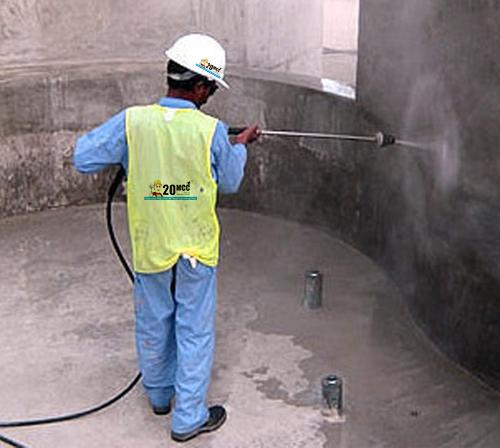
Underground Tank
Underground water tank waterproofing protects concrete storage structures against seepage, groundwater pressure, and leakage through cracks or joints using suitable repair and waterproofing systems.
- External waterproofing assessment
- Internal waterproof coatings
- Crack and joint treatment
- Exterior wall inspection
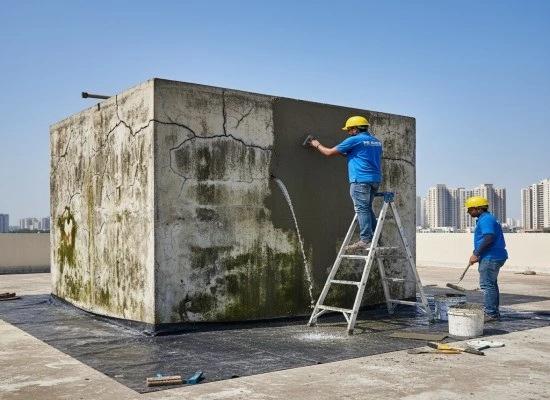
Overhead Tank
Protect overhead concrete water tanks from leakage and moisture penetration with suitable surface preparation, compatible waterproof coatings, and careful treatment of vulnerable connections.
- Curing and quality checks
- Pipe connection sealing
- Waterproof coating application
- Surface inspection and preparation
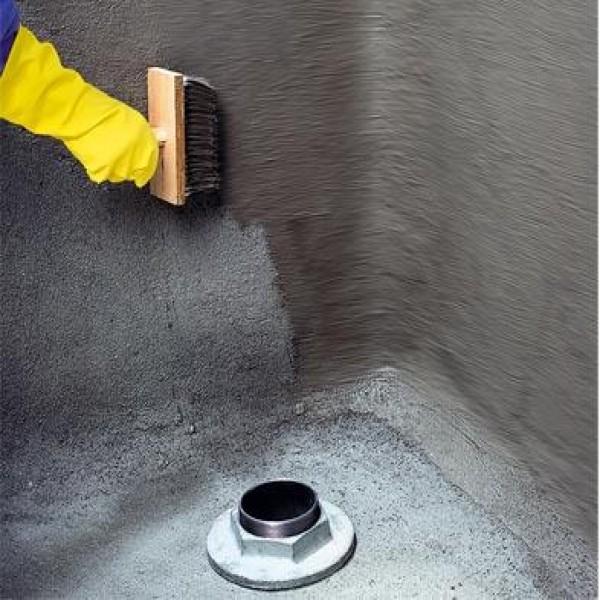
Crack Repair
Repair leaking concrete tank cracks using appropriate materials selected according to crack depth, movement, water pressure, and the structural condition of the affected area.
- Crack assessment
- Concrete defect preparation
- Suitable crack treatment
- Protective waterproofing layer

Tank Coating
Apply compatible protective coatings to suitable water tank surfaces to help reduce water penetration and improve durability when preparation, application, and curing are correctly managed.
- Substrate condition assessment
- Compatible coating selection
- Correct application thickness
- Manufacturer specified curing
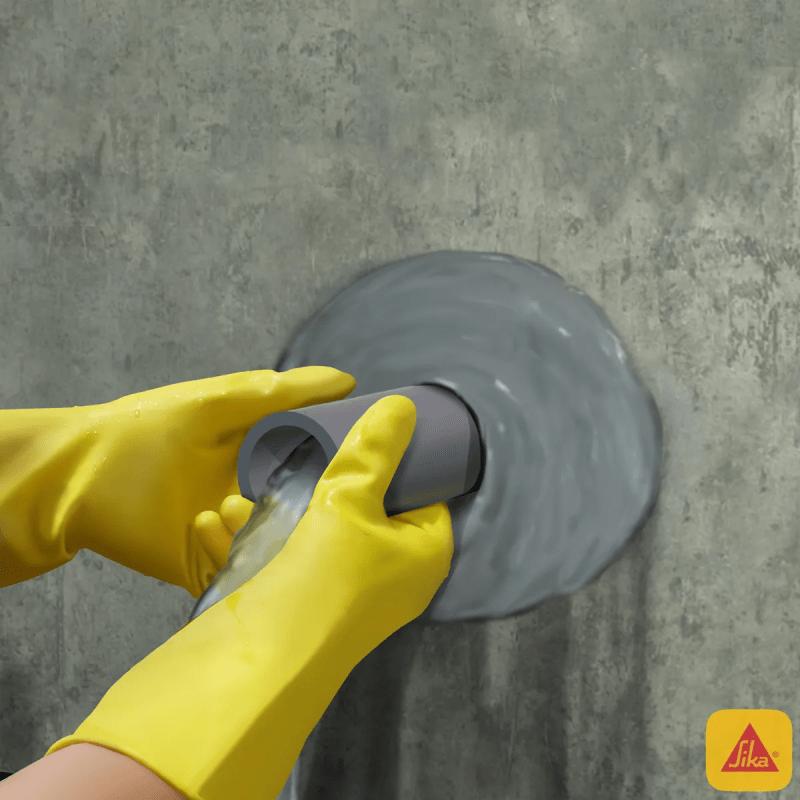
Joint Sealing
Treat vulnerable construction joints and pipe penetrations with compatible sealing systems designed to address leakage pathways and accommodate the conditions of the tank.
- Construction joint inspection
- Pipe penetration sealing
- Suitable joint preparation
- Leak reduction assessment
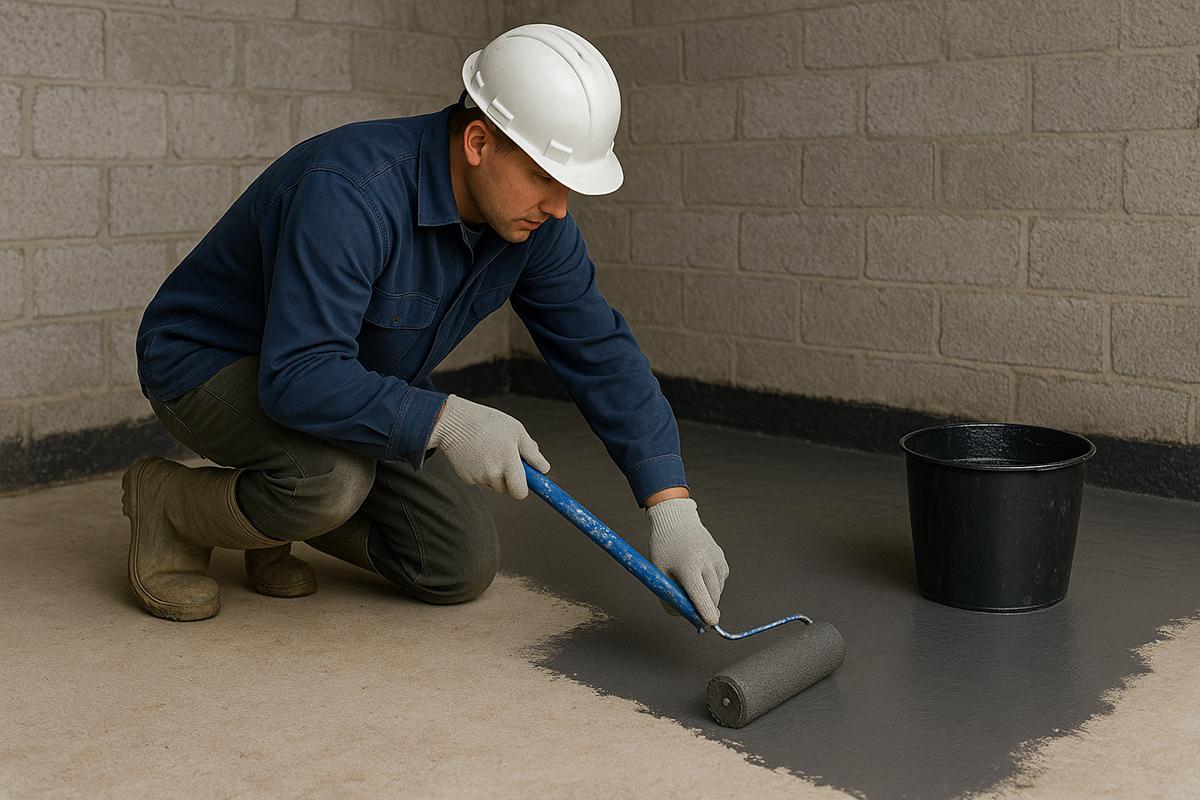
Investigate water loss and dampness around storage tanks, identify likely causes, and recommend suitable repairs for concrete defects, joints, coatings, or connected plumbing.
- Leakage source investigation
- Visible defect documentation
- Targeted repair recommendations
- Appropriate post-repair testing
Explore Our Core Services
Click a service to see how we solve the problem — from inspection to a lasting, warranty-backed result.
Tank Inspection
Our inspection process focuses on visible cracks, damp patches, deteriorated coatings, construction joints, and pipe connections. We assess the tank type and discuss the symptoms you have noticed before recommending a suitable repair. The findings help determine whether the problem requires targeted crack treatment, joint sealing, plumbing repairs, or a complete waterproofing system.
- Identify visible leakage points
- Assess existing surface condition
- Identify visible leakage points
Crack Treatment
Concrete cracks can allow water to escape or enter a storage tank. The appropriate treatment depends on crack depth, movement, water pressure, and structural condition. We recommend compatible repair materials and preparation methods for the specific defect. Where cracks indicate structural movement or serious damage, professional structural assessment may be required before waterproofing.
- Apply suitable repair system
- Prepare affected concrete
- Assess crack characteristics
Seepage Control
Wall seepage can damage paint, plaster, and other finishes when water repeatedly enters the building. Our seepage control process focuses on finding the entry point and selecting repairs appropriate to the wall’s condition. Depending on the cause, work may involve sealing cracks, repairing joints, addressing plumbing leaks, or improving exterior protection. A proper diagnosis helps determine whether surface waterproofing alone will be sufficient.
- Inspect damp patches
- Trace potential water-entry paths
- Check completed repair areas
Crack Sealing
Cracks in walls can allow rainwater to enter vulnerable construction materials. Our crack sealing service starts by examining the crack’s location, size, condition, and possible movement. Suitable fillers, repair mortars, or flexible sealants may be selected according to the substrate and exposure. Cracks that indicate structural movement require appropriate professional assessment before ordinary sealing or decorative finishing is undertaken.
- Assess crack condition
- Prepare the repair surface
- Apply compatible repair materials
Basement Protection
Basement walls may be exposed to soil moisture, groundwater, and water pressure. Effective protection requires assessing cracks, wall-floor joints, drainage, and the available access for repairs. Depending on the conditions, a suitable membrane, joint repair, drainage improvement, or specialist waterproofing system may be required. The chosen method should address the actual source of water rather than simply cover visible damp patches.
- Examine basement wall joints
- Inspect treated areas
- Examine basement wall joints
Why homeowners rely on us
Honest advice, quality materials and clean work — on every single project.
Expert Inspection
We inspect affected walls to identify moisture sources before recommending suitable waterproofing solutions.
Reliable Protection
Our approach focuses on reducing water penetration and protecting wall surfaces from moisture-related deterioration.
Quality Materials
We select compatible waterproofing materials according to surface conditions and the intended application.
Targeted Repairs
We focus on relevant cracks, joints, and damaged surfaces instead of treating every wall identically.
Residential Solutions
We address wall waterproofing needs in homes, apartments, and other residential properties.
Commercial Projects
We consider property use, access, and repair requirements when planning commercial waterproofing work.
Leaking roof or a hot top floor? Let's fix it.
Book a free inspection today. Our expert will visit, find the cause and suggest the right solution.
Four simple steps to a dry home
A clear, hassle-free process from your first call to the final handover.
Get in Touch
Call, WhatsApp or fill the form and tell us about the problem.
Free Inspection
Our expert visits your site and finds the exact source of the issue.
Clear Quotation
You receive a detailed quote with materials, timeline and warranty.
Work & Handover
We complete the treatment on time and hand over your warranty.
Typical projects we solve
Examples of the kinds of problems we fix every week — and how we approach them.
Underground Tank
The problem: Water seepage appeared along concrete joints, causing damp patches around the underground storage tank.
Our solution: We would assess joint defects, prepare damaged surfaces, apply compatible sealing materials, and recommend suitable waterproofing treatment.
The result: The planned treatment aims to reduce leakage and protect surrounding surfaces from recurring moisture damage.
Overhead Tank
The problem: Cracks and deteriorated coating allowed water to escape from the overhead concrete tank.
Our solution: We would inspect the tank, repair suitable cracks, prepare the concrete, and apply a compatible waterproofing system.
The result: The completed repair should help limit water loss and improve the tank’s protective surface.
Joint Leakage
The problem:Correctly treated joints can help reduce leakage and improve overall waterproofing performance.
Our solution: We would investigate the leakage pathways, prepare affected joints, and install suitable sealing materials for the conditions.
The result:Correctly treated joints can help reduce leakage and improve overall waterproofing performance.
See the difference
Drag the slider to compare our work before and after treatment.
What Our Customers Say.
We don't just fix leaks — we build trust. Real reviews from homeowners and businesses across Lahore, straight from our Google Business profile.
Loading reviews from Google…


 Trustindex verifies that the original source of the review is Google.
 Trustindex verifies that the original source of the review is Google.
 Trustindex verifies that the original source of the review is Google.
 Trustindex verifies that the original source of the review is Google.
 Trustindex verifies that the original source of the review is Google.
 Trustindex verifies that the original source of the review is Google.
 Trustindex verifies that the original source of the review is Google.
 Trustindex verifies that the original source of the review is Google.
Latest tips & guides
Practical advice to help you protect your home from leakage and heat.
Common questions, clear answers
Here are answers to the questions we hear most. Still unsure? Talk to our team for free advice.
Get a Free Quote
What are Water Tank Waterproofing Services in Lahore?
Water Tank Waterproofing Services in Lahore help protect underground and overhead water storage tanks from leakage, cracks, seepage, and water penetration. These services may include concrete crack repair, construction joint sealing, protective coating application, and treatment around pipe connections.
Water tanks require special attention because they remain in regular contact with stored water. Over time, concrete deterioration, poor workmanship, structural movement, or damaged waterproofing materials can allow water to escape. Leakage may also cause damp patches, damage surrounding surfaces, and increase water wastage.
The correct waterproofing method depends on the tank’s construction, location, condition, and intended use. Underground tanks may require internal or external treatment, while overhead tanks may need repairs for weather-related deterioration or defective joints.
For drinking-water storage, the selected material must be suitable and approved for potable-water contact. The surface must also be prepared correctly, and the system must be allowed to cure according to the manufacturer’s instructions.
Waterproofing Hawks helps property owners understand the likely causes of water tank leakage and the available repair options. A proper inspection can establish whether targeted repairs or a more comprehensive waterproofing system is appropriate.
For additional protection around your property, explore our Basement Waterproofing Services and Roof Waterproofing Services.
What Causes Dampness and Water Seepage in Walls?
Wall dampness can develop for several reasons, so identifying the underlying cause is the first step toward an effective repair. Common causes include rainwater entering through exterior cracks, deteriorated coatings, damaged window seals, leaking pipes, bathroom waterproofing failures, and moisture travelling from the ground.
Rainwater penetration often becomes more noticeable after heavy rainfall. Plumbing leaks may cause persistent dampness even during dry weather, especially when pipes are concealed inside walls. Bathrooms can affect adjoining rooms when water passes through defective joints or damaged waterproofing beneath tiles.
Ground-floor walls may experience rising damp or moisture associated with external ground levels and defective damp-proofing. Condensation is another possibility, particularly in rooms with limited ventilation or high humidity. It can resemble seepage but may require ventilation and humidity control rather than a waterproof coating.
Signs of a moisture problem include peeling paint, bubbling finishes, loose plaster, dark patches, white salt deposits, and recurring musty smells. However, these symptoms alone cannot always identify the exact cause.
Waterproofing Hawks recommends examining the affected area and surrounding construction before deciding on a repair. Treating the source is important because simply repainting a damp wall may only conceal the visible damage temporarily.
A suitable solution may involve plumbing repairs, crack sealing, exterior coating, joint restoration, drainage improvements, or specialist damp-proofing. The choice depends on the inspection findings.
How Much Does Wall Waterproofing Cost in Lahore?
The cost of wall waterproofing in Lahore varies according to the affected area, the source of moisture, the materials required, surface preparation, and the difficulty of accessing the wall.
A small crack-sealing job is different from waterproofing an entire exterior elevation. If paint and plaster have deteriorated, additional preparation and restoration may be necessary. High exterior walls may also require special access equipment, increasing the overall project cost.
The selected waterproofing system is another important factor. Different coatings, membranes, sealants, and repair materials have different application requirements and coverage rates. A wall exposed to heavy weather may need a different treatment from an interior wall affected by a plumbing leak.
For a meaningful quotation, property owners should provide the approximate wall dimensions, photographs of visible damage, the property’s location, and details about when the dampness appears. An on-site assessment may be necessary where the cause is unclear.
When comparing quotations, review the proposed method, surface preparation, materials, number of application layers where specified, curing requirements, and whether plaster restoration or repainting is included. Ask about exclusions and any warranty terms that are actually offered.
Waterproofing Hawks can discuss your requirements and help determine the scope of work needed for your property. Rather than selecting a contractor based on price alone, compare the suitability of the proposed solution and the clarity of the quotation.
How Long Does Wall Waterproofing Last?
The lifespan of a wall waterproofing system depends on the materials used, the quality of installation, the wall’s condition, environmental exposure, and ongoing maintenance. There is no single lifespan that applies to every waterproofing project.
Exterior walls experience rainfall, sunlight, temperature fluctuations, and environmental wear. Over time, coatings can deteriorate, cracks may develop, and sealants around windows or joints may need replacement. Interior waterproofing systems experience different conditions, depending on whether they are exposed to occasional moisture or continuous water pressure.
Proper diagnosis and surface preparation are important for durability. A coating applied over loose paint, contaminated masonry, or an unresolved moisture source may not perform as intended. Similarly, waterproofing cannot reliably compensate for an active plumbing leak or continuing structural movement.
After the work is completed, property owners should inspect vulnerable areas periodically. Look for new cracks, peeling finishes, damaged sealants, blocked drainage paths, and recurring damp patches. Addressing these signs early can help prevent more extensive repairs.
The manufacturer’s installation instructions and maintenance recommendations should be followed for the selected system. If a contractor offers a warranty, ask for its duration, coverage, exclusions, and maintenance requirements in writing.
Waterproofing Hawks recommends choosing a system that matches the wall’s exposure and the underlying moisture problem. A properly selected and installed solution, combined with appropriate maintenance, can help protect the building against water penetration.
How much does water tank waterproofing cost in Lahore?
Wall waterproofing requirements can involve both interior and exterior surfaces, depending on how moisture enters the building. Waterproofing Hawks provides website-listed service options for exterior wall waterproofing, interior wall waterproofing, crack sealing, wall seepage treatment, basement wall protection, and bathroom wall waterproofing.
Exterior treatment may be appropriate when rainwater passes through cracks, porous surfaces, defective joints, or damaged coatings. The work may include preparing the wall, repairing vulnerable areas, sealing suitable joints, and applying a compatible protective coating.
Interior wall treatment requires a different assessment. Damp patches may result from plumbing leaks, bathroom water penetration, condensation, or moisture entering from outside. The visible stain is not necessarily the source, so investigation is important before selecting materials.
Some projects require work on both sides of a wall. For example, exterior water penetration may need to be corrected outside before damaged interior plaster can be restored. Basement walls exposed to groundwater may require specialist systems based on the wall construction, drainage conditions, and water pressure.
The exact work should be confirmed following an assessment of the property. Access, surface condition, materials, and the cause of moisture all affect the recommended approach.
If you are experiencing damp patches, peeling paint, water stains, or recurring wall seepage in Lahore, share the affected area’s details with Waterproofing Hawks. You can use the Contact Us page to discuss your requirements and arrange the next step.