Roof Leakage Repair Services in Islamabad
Waterproofing Hawks provides reliable roof leakage repair in Islamabad, protecting homes and commercial buildings from water damage through professional inspections, durable waterproofing solutions, and expert workmanship.
- Free Inspection
- Written Warranty
- Trained Team
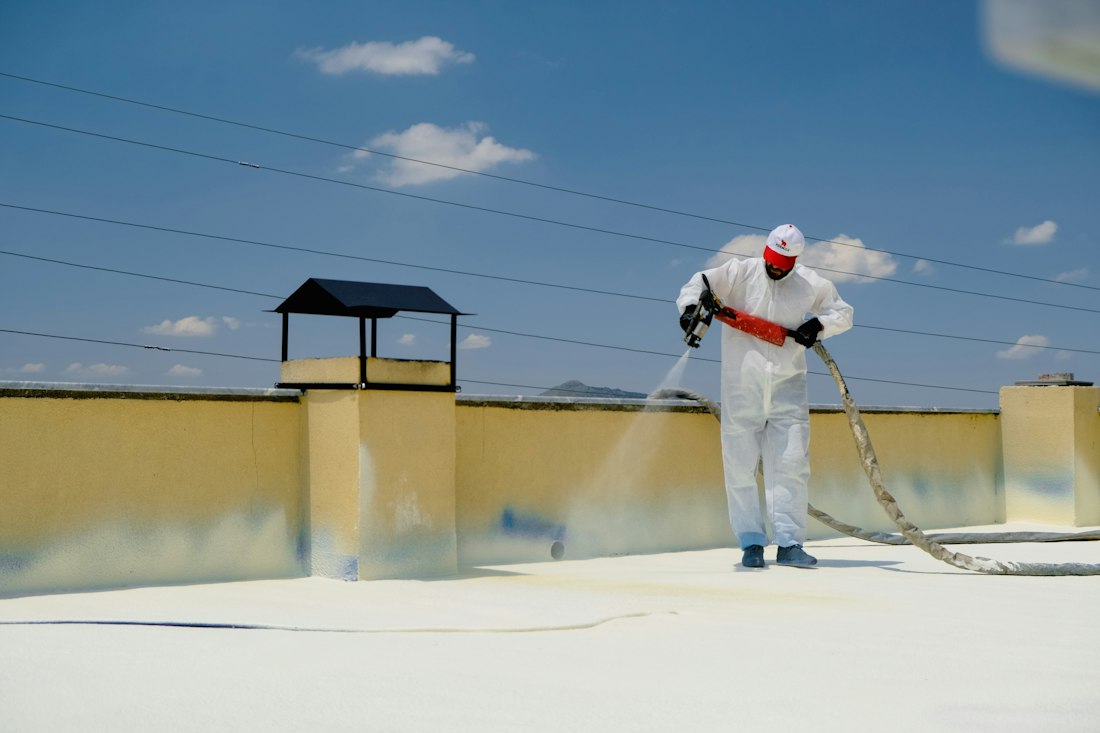
We find the real cause
On every project
Request a Free Quote
Share a few details and our team will contact you shortly to arrange a free inspection.
Request a Free Inspection
Share your details and photos. We will send your quote on WhatsApp.
Trusted by Homeowners & Businesses Across Lahore


Protecting homes from water & heat
Everything you need to know about our waterproofing and heat proofing work.
Professional Roof Leakage Repair Islamabad
Roof leakage can become a serious problem for homeowners and commercial property owners when water enters through cracks, damaged waterproofing membranes, roof joints, or poorly maintained drainage systems. Even a small leak can gradually damage ceilings, walls, paint, electrical fittings, and interior finishes. Waterproofing Hawks provides professional roof leakage repair in Islamabad to help property owners identify the source of water penetration and protect their buildings against recurring moisture problems.
Islamabad experiences changing weather conditions, including heavy rainfall, seasonal storms, temperature variations, and periods of intense sunlight. These conditions can weaken roof coatings, damage exposed joints, and create cracks in concrete surfaces. Flat roofs are particularly vulnerable when rainwater cannot drain properly. Standing water increases pressure on weak areas and may eventually find its way into the building. Timely roof leakage repair helps prevent these problems from becoming expensive structural repairs.
Understanding the Causes of Roof Leakage
Roof leakage can develop for several reasons. Cracks in concrete slabs are a common cause, especially when roofs have been exposed to changing temperatures and weather for many years. Small cracks may allow water to enter gradually, creating damp patches on ceilings and walls. Damaged waterproofing layers can also allow moisture to penetrate the roof structure.
Poor drainage is another frequent cause of roof leakage. When drains become blocked by leaves, dust, construction debris, or other materials, rainwater can collect on the roof. Prolonged water accumulation increases the possibility of leakage through weak joints and damaged surfaces. Roof outlets, parapet walls, water tanks, and pipe penetrations should also be inspected because these areas often require additional waterproofing protection.
Sometimes, the actual source of a ceiling leak is located several feet away from the visible damp patch. Water may travel beneath the roof finish before appearing inside a room. This is why professional inspection is important before beginning repair work. Applying a coating only over the visible stain may temporarily hide the problem without addressing the underlying cause.
Our Roof Leakage Inspection Process
Waterproofing Hawks recommends identifying the cause of leakage before selecting a repair method. An effective inspection begins with examining the roof surface, including visible cracks, damaged coatings, joints, drainage outlets, and areas where water tends to collect.
The inspection should also consider the age of the roof, the condition of previous waterproofing work, and the type of construction material. Concrete roofs may require crack treatment and a compatible waterproofing membrane, while roofs with extensive coating failure may need surface preparation and a complete protective system.
Interior inspection can provide additional clues. Peeling paint, bubbling plaster, damp ceiling corners, musty smells, and recurring water stains may indicate moisture penetration. However, these symptoms do not always identify the exact entry point. A systematic examination helps narrow down the cause and determine which repair method is appropriate.
After inspection, the repair plan should explain the affected areas, recommended materials, preparation requirements, and maintenance considerations. Property owners should receive clear information about the proposed work instead of relying on a temporary solution that may fail during the next rainfall.
Effective Methods for Roof Leakage Repair
The right repair method depends on the condition of the roof and the severity of the damage. Small, isolated cracks may require suitable crack-filling materials or compatible repair compounds. Damaged joints may need flexible sealing products designed for outdoor exposure and the movement expected in the building.
Where an existing waterproofing layer has deteriorated, contractors may recommend repairing specific sections or installing a compatible waterproofing membrane. Liquid-applied waterproofing systems can provide seamless coverage when the surface is properly prepared and the product is suitable for the substrate and exposure conditions.
In some cases, roof slope and drainage need attention. Waterproofing alone cannot permanently solve every problem if rainwater continues to collect in low areas. Correcting drainage defects and maintaining clear outlets can improve the performance of the waterproofing system.
Heat exposure should also be considered when choosing roof coatings. Islamabad’s summers can expose roof surfaces to significant sunlight and temperature changes. A suitable roof heat proofing system may help reduce heat absorption, but it must be selected according to the roof’s condition and the manufacturer’s installation requirements.
For related protection, explore our Roof Waterproofing Services and Roof Heat Proofing Services pages. These services address different roof protection needs and may complement a properly planned leakage repair.
Residential Roof Leakage Repair
Residential roof leakage can affect bedrooms, kitchens, bathrooms, staircases, terraces, and upper-floor living areas. Water entering through the roof may damage furniture, wardrobes, lighting fixtures, false ceilings, and electrical installations. Persistent moisture can also create conditions that encourage mould growth.
Homeowners should arrange an inspection when they notice fresh water stains, peeling paint, damp patches, or dripping during rainfall. Early attention can prevent a small defect from spreading into a larger repair project. It is also important to check rooftop water tanks, solar panel mounting points, pipes, and parapet wall junctions where water can penetrate through gaps.
A suitable residential repair plan considers the building’s construction, the roof’s existing finish, the source of leakage, and the owner’s maintenance requirements. The objective is to restore the roof’s water resistance while preserving the condition of the existing structure wherever practical.
If leakage appears around bathroom plumbing or wet areas rather than the exposed roof, the source may require a different solution. Our Bathroom Waterproofing Services page provides further information about protecting bathrooms and other moisture-prone spaces.
Commercial Roof Leakage Repair
Commercial buildings often have larger roof areas, service equipment, ventilation systems, water tanks, and multiple drainage outlets. These features create additional points that require inspection and maintenance. A leak in a commercial property can interrupt daily operations, damage stored goods, affect office interiors, and increase repair costs.
A commercial roof inspection should assess the condition of waterproofing membranes, expansion joints, drainage systems, roof penetrations, and previously repaired sections. Where necessary, repairs can be planned in stages to minimise disruption to building activities.
Commercial property managers should also keep records of maintenance visits, previous leakage locations, materials used, and recurring problems. This information helps contractors understand whether an issue is isolated or part of a wider waterproofing failure.
Waterproofing Hawks aims to provide practical repair recommendations based on the roof’s actual condition. The final solution should address the source of leakage, account for drainage requirements, and use materials appropriate for the building’s exposure and expected service conditions.
Preventing Future Roof Leakage
Preventive maintenance is an important part of long-term roof protection. Property owners should inspect roof surfaces periodically, especially before the rainy season. Drainage outlets should remain clear, loose coatings should be assessed, and visible cracks should receive timely attention.
Water tanks, pipes, solar panel supports, and parapet wall joints should be checked for damaged seals. Previous repair patches also deserve attention because some materials deteriorate faster than the surrounding waterproofing layer.
Avoid covering a wet or dirty roof with a new waterproofing product without checking its compatibility and preparation requirements. Moisture trapped beneath an unsuitable coating can affect adhesion and reduce performance. Similarly, not every coating is appropriate for every roof surface.
A maintenance schedule should consider the age of the roof, the materials used, the amount of foot traffic, and local weather exposure. Professional assessment can help determine whether local repairs are sufficient or a more comprehensive waterproofing system is needed.
Why Choose Waterproofing Hawks?
Choosing a roof leakage contractor involves more than comparing prices. Property owners need a clear explanation of the problem, suitable material recommendations, careful surface preparation, and workmanship that follows the product manufacturer’s requirements.
Waterproofing Hawks focuses on practical roof protection through inspection-led recommendations and repair methods selected for the condition of the affected area. Each project should begin with understanding where water enters and why the existing roof system is failing.
Our approach prioritises suitable materials, attention to vulnerable joints, drainage considerations, and clear communication throughout the repair process. We recognise that every roof is different, so a solution suitable for one building may not be appropriate for another.
Before work begins, discuss the affected areas, expected preparation, proposed waterproofing method, curing requirements, and maintenance recommendations. These details help property owners understand the work and make informed decisions.
Request Roof Leakage Repair in Islamabad
If your property has recurring roof leaks, damp ceilings, cracked roof surfaces, or damaged waterproofing, arranging an inspection is a sensible first step. Prompt attention can help limit water damage and clarify which repairs are necessary.
Waterproofing Hawks can help property owners evaluate roof leakage problems and consider appropriate repair options. The recommended treatment should be based on the roof’s condition rather than a one-size-fits-all coating.
For related building protection, explore our Roof Leakage Repair Services, Basement Waterproofing Services, and Wall Waterproofing Services pages.
Contact Waterproofing Hawks to discuss your roof leakage concerns, arrange an assessment, and identify a practical way to protect your property against water penetration.
Complete Roof Leakage Solutions for Islamabad Properties
A roof is one of the most important protective components of any building. It shields the interior from rainfall, sunlight, dust, and changing outdoor conditions. When the roof develops cracks or its waterproofing layer begins to fail, water can gradually enter the structure and damage several areas of the property. Professional roof leakage repair in Islamabad helps property owners address these issues before they become more extensive.
Waterproofing Hawks understands that roof leakage problems differ from building to building. A residential concrete roof may develop hairline cracks, while a commercial roof may experience leakage around drainage outlets, equipment supports, expansion joints, or damaged membranes. Each situation requires an appropriate inspection and repair strategy.
Identifying Hidden Roof Leakage Problems
Visible dripping is not the only sign of roof leakage. In many buildings, water enters through a weak point and travels along the concrete surface before reaching the ceiling. This means the location of an interior water stain may not match the original entry point.
Common warning signs include peeling paint, swollen plaster, damp ceiling corners, discoloured walls, recurring moisture after rainfall, and deterioration around roof edges. Some property owners also notice water collecting near rooftop structures or persistent dampness around pipe openings.
Identifying these symptoms early can help reduce repair costs. However, a proper assessment should distinguish roof leakage from plumbing leaks, condensation, and water penetration through exterior walls. Treating the wrong source may waste money and leave the original problem unresolved.
An inspection should examine the roof surface, drainage system, parapet walls, construction joints, water tank connections, and existing waterproofing materials. Where appropriate, moisture testing or controlled water testing may help identify the affected area. Testing must be planned carefully to avoid introducing additional water into a vulnerable building.
Repairing Concrete Roof Cracks
Concrete roofs can develop cracks because of temperature changes, structural movement, shrinkage, ageing, or deterioration of the surface finish. Not every crack indicates a serious structural problem, but cracks that permit water penetration should be evaluated.
Repairing a crack usually begins with determining its condition and cause. Loose material, dust, and deteriorated sealant may need to be removed before a compatible repair product is applied. The repair method depends on the crack’s width, depth, movement, moisture exposure, and whether the crack appears structural.
Flexible sealants may be suitable for certain joints and moving gaps, whereas other cracks may require specialist repair materials. Active or significant structural cracks should be assessed by a qualified structural professional before waterproofing work proceeds.
After crack treatment, the surrounding surface may need a compatible waterproofing coating or membrane. Simply filling a crack without addressing the wider waterproofing condition may not provide adequate long-term protection.
Improving Roof Drainage
Effective drainage is essential for reducing roof leakage risks. Flat roofs are often designed with a slight slope that directs rainwater towards outlets. If the slope is inadequate or the outlets become blocked, standing water can remain on the surface for extended periods.
Water accumulation may expose weak joints, increase the likelihood of coating deterioration, and allow water to enter through existing defects. Roof inspections should therefore include drainage outlets, rainwater pipes, low points, and areas where water repeatedly collects.
Cleaning blocked drains is a useful maintenance measure, but persistent ponding may require a more comprehensive assessment. Depending on the roof design, corrective work could involve repairing damaged outlets, improving drainage connections, or correcting local surface levels.
A waterproofing membrane should be selected with the roof’s drainage conditions in mind. Product compatibility, expected water exposure, surface preparation, and installation details all influence performance.
Waterproofing Materials and Application
Different roof waterproofing systems are available, including liquid-applied coatings, cementitious products for suitable applications, bituminous membranes, and other specialised membrane systems. Each option has different installation requirements and performance characteristics.
Liquid-applied membranes can form a continuous protective layer when the substrate is prepared correctly and the coating is applied at the specified thickness. Sheet membranes can provide durable protection when joints, edges, penetrations, and terminations are installed properly.
Cementitious waterproofing products may be appropriate for certain mineral surfaces and applications, but their suitability depends on the product and exposure conditions. Bituminous systems may be considered for roofs designed to accommodate them.
The best choice depends on the roof’s existing materials, movement, slope, drainage, exposure to sunlight, and intended use. A product advertised as waterproof is not automatically suitable for every roof.
Before installation, contractors should follow the manufacturer’s guidance regarding substrate condition, primer requirements, application thickness, temperature limits, curing time, and any required protective layer. Rushing the application or ignoring these instructions can compromise the finished system.
Roof Leakage Around Water Tanks and Pipes
Water tanks, plumbing connections, solar panel supports, ventilation equipment, and electrical conduits create penetrations or junctions where water can enter a roof. These locations require careful attention during inspection and waterproofing.
A leak near a water tank may originate from a damaged connection, an overflowing tank, a defective pipe, or a weak junction between the tank base and roof surface. The source should be identified before applying sealant or waterproofing material.
Pipe penetrations may require compatible sealing systems that accommodate the movement and materials involved. Similarly, equipment supports should be inspected for damaged seals and defects in the surrounding waterproofing layer.
When repairs are completed, the affected details should be checked to confirm that the treatment is continuous and compatible with the surrounding system. Property owners should also ensure that maintenance access does not unnecessarily damage the new waterproofing.
Roof Leakage Repair for Older Buildings
Older buildings may have several layers of paint, previous repair patches, aged waterproofing membranes, and areas of deteriorated concrete. These conditions can make it difficult to identify the original source of leakage.
Applying a new coating directly over unstable material may lead to poor adhesion or early failure. The existing surface should be assessed to determine which layers can remain and which areas require removal or repair.
Older roofs may also have drainage designs that no longer function effectively or have been altered by later construction. Rooftop extensions, additional water tanks, and equipment installations can create new leakage points.
A practical repair plan considers the condition of the existing structure and the expected service life of the proposed system. Extensive deterioration may require a broader renovation rather than isolated patching. Where structural damage is suspected, specialist assessment should come before cosmetic repairs.
Combining Leakage Repair With Heat Protection
Roof leakage repair and roof heat proofing address different problems, although they can sometimes be included in the same project. Waterproofing is intended to limit water penetration, while heat-reflective treatments aim to reduce solar heat absorption.
A combined system must use compatible materials and follow the required installation sequence. A heat-reflective coating should not be applied over a damp, unstable, or unsuitable waterproofing surface.
Property owners should first resolve active leakage and ensure that the roof is properly prepared. Any additional heat-protection layer should be selected according to the manufacturer’s specifications and the intended use of the roof.
Learn more about our Roof Heat Proofing Services to understand how roof surface treatments may complement an appropriate waterproofing system.
Maintenance After Roof Leakage Repair
Completing a repair is only one part of maintaining a roof. Periodic inspections help identify new cracks, damaged sealants, blocked drainage outlets, and deterioration around roof penetrations before water enters the building.
Property owners should follow the maintenance recommendations provided for the installed waterproofing system. Some materials require particular cleaning methods or periodic inspection, while others may need additional protection where regular foot traffic occurs.
Avoid drilling into waterproofed surfaces or installing new equipment without considering how the membrane will be protected and resealed. Heavy objects, sharp tools, and incompatible cleaning chemicals can damage certain systems.
After severe weather, a visual inspection can help identify obvious defects. If new water stains appear inside the building, investigate promptly rather than repeatedly painting over the affected area.
Choosing the Right Roof Leakage Contractor
A suitable contractor should explain the likely cause of leakage, identify the proposed repair method, and clarify which areas require treatment. Property owners should ask about surface preparation, product suitability, application requirements, curing time, and any maintenance conditions.
Written estimates should explain the scope of work, materials included, exclusions, and any applicable workmanship warranty. A warranty should be understood according to its written terms rather than assumed to cover every future leak or unrelated building defect.
Waterproofing Hawks aims to help customers make informed decisions through practical recommendations and attention to the roof’s actual condition. The appropriate repair may involve local crack treatment, drainage correction, joint sealing, membrane restoration, or a more extensive waterproofing system.
Arrange Your Roof Leakage Assessment
If you are experiencing roof leakage in Islamabad, the next step is to identify the source and determine the most suitable treatment. Early intervention can help protect interior finishes, reduce ongoing moisture damage, and prevent avoidable repair expenses.
Waterproofing Hawks provides building waterproofing solutions and can help property owners evaluate their roof protection requirements. The final scope should be based on the actual property, inspection findings, and the materials suitable for the affected roof.
For additional protection around the building, explore our Wall Waterproofing Services, Basement Waterproofing Services, and Bathroom Waterproofing Services pages.
Contact Waterproofing Hawks to discuss your roof leakage concerns and arrange a suitable assessment for your property in Islamabad.
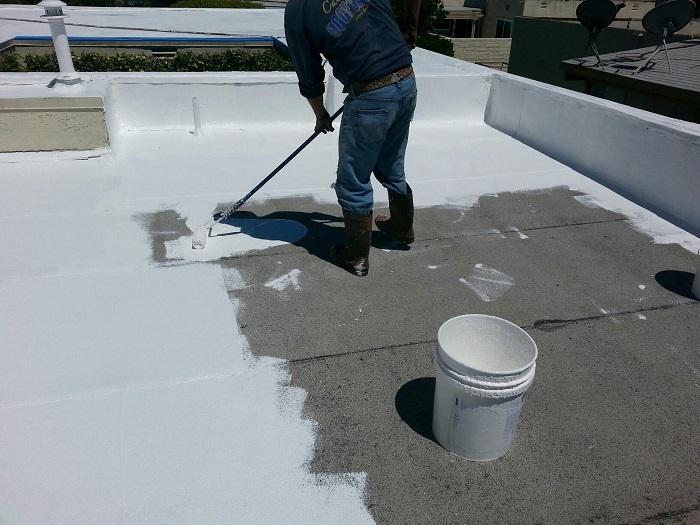
Roof Leak Detection
We inspect roof surfaces, joints, drainage outlets, and damaged coatings to identify likely water entry points and recommend suitable repair methods.
- Leakage source evaluation
- Drainage assessment
- Crack identification
- Roof surface inspection

Crack Sealing
We repair suitable roof cracks using compatible materials and surface preparation methods to help reduce water penetration and protect concrete surfaces.
- Protective coating application
- Compatible crack filling
- Surface cleaning
- Crack condition assessment

Roof Waterproofing
We apply suitable waterproofing systems to help protect prepared roof surfaces against rainwater penetration and recurring moisture problems.
- Application quality checks
- Membrane or coating installation
- Surface preparation
- Waterproofing material selection

Joint Sealing
We address vulnerable roof joints, parapet connections, and pipe penetrations using compatible sealing solutions designed for the conditions of each location.
- Junction protection
- Suitable sealant application
- Old sealant assessment
- Joint inspection
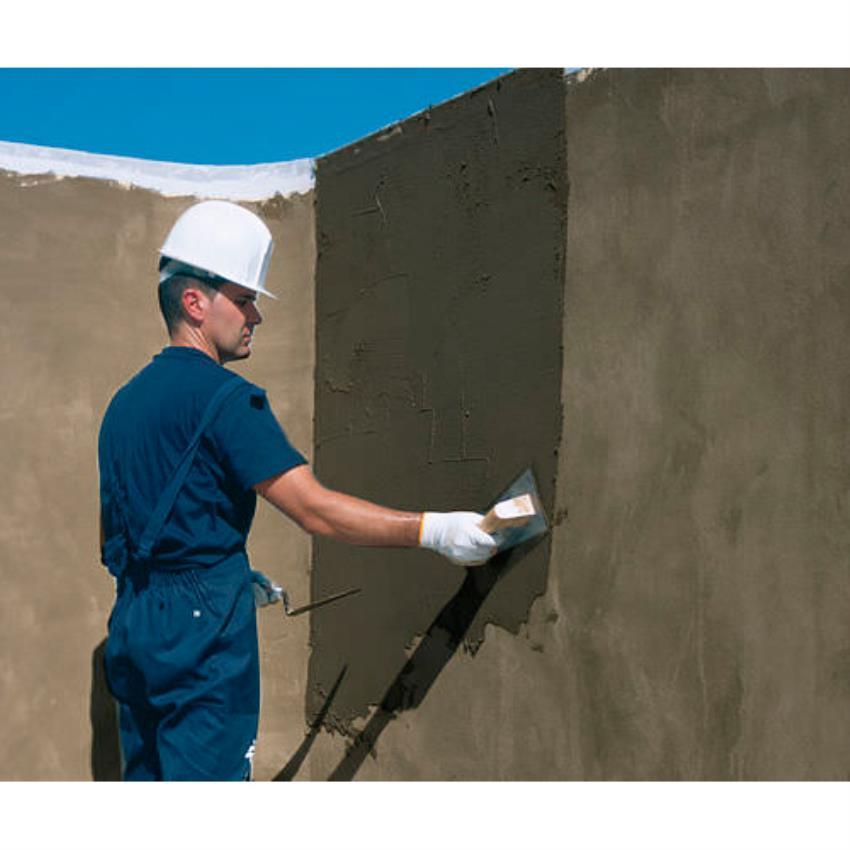
Drainage Repair
We assess blocked outlets, damaged drainage connections, and persistent water accumulation to help improve roof drainage and reduce leakage risks.
- Water pooling evaluation
- Drainage connection assessment
- Blockage identification
- Drain outlet inspection
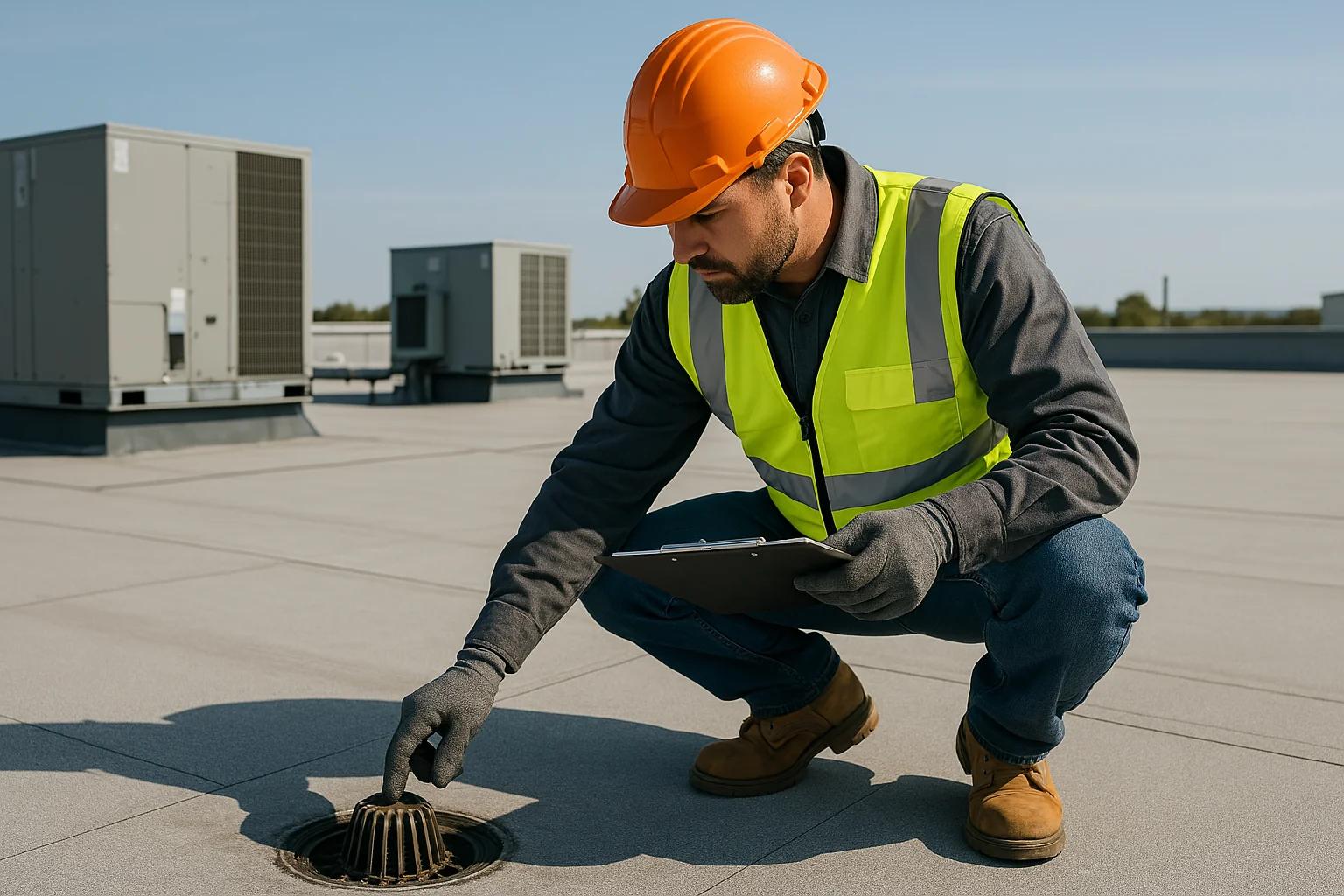
Roof Membrane Repair
We assess damaged waterproofing membranes and repair suitable affected areas to restore continuity and improve the roof’s resistance to water penetration.
- Finished surface inspection
- Compatible patch installation
- Loose material removal
- Membrane damage inspection
Explore Our Core Services
Click a service to see how we solve the problem — from inspection to a lasting, warranty-backed result.
Roof Inspection
Our roof inspection service helps identify visible cracks, damaged waterproofing, weak joints, and drainage problems that may allow water to enter your property. We assess the roof’s condition before recommending suitable repair options. This approach helps property owners understand the likely cause of leakage and avoid unnecessary treatments. Every repair recommendation should consider the roof material, existing coating, water exposure, and maintenance requirements.
- Suitable system selection
- Heat transfer evaluation
- Roof condition assessment
Crack Repair
Cracks in concrete roofs can create pathways for water penetration. Our crack repair approach begins with evaluating the affected area and preparing the surface for a compatible repair material. The appropriate treatment depends on crack size, movement, depth, and the condition of the surrounding concrete. Where structural movement is suspected, professional structural assessment may be necessary before waterproofing work begins.
- Improved indoor comfort
- Potential cooling savings
- Reduced solar absorption
Waterproofing Systems
A suitable waterproofing system creates a protective barrier against water penetration when installed on a properly prepared surface. Available solutions may include liquid-applied coatings or membrane systems selected according to the roof’s condition. Our recommendations consider surface compatibility, drainage, weather exposure, and application requirements. Correct installation and curing are essential for achieving the intended performance of the selected product.
- Installation quality checks
- Waterproofing application
- Roof surface preparation
Joint Protection
Roof edges, parapet walls, expansion joints, and pipe penetrations are common locations where water may enter a building. These areas need compatible sealing materials and careful detailing. Our joint protection approach focuses on identifying damaged seals, preparing the affected surfaces, and restoring suitable protection. The selected solution should accommodate the expected movement and exposure conditions of each junction.
- Compatible joint sealing
- Damaged sealant assessment
- Joint condition inspection
Drainage Solutions
Effective drainage helps prevent rainwater from remaining on roof surfaces for extended periods. Blocked outlets, damaged pipes, and low areas can increase leakage risks when water cannot drain correctly. We assess visible drainage concerns and recommend practical improvements where necessary. Waterproofing repairs should be considered alongside drainage performance because a protective membrane alone may not resolve persistent water accumulation.
- Water pooling assessment
- Blockage identification
- Roof drain inspection
Why homeowners rely on us
Honest advice, quality materials and clean work — on every single project.
Expert Inspection
Careful roof assessments help identify leakage sources and determine suitable repair options.
Quality Materials
Suitable waterproofing materials support reliable protection when correctly selected and installed.
Skilled Workmanship
Proper preparation and application help improve repair quality and waterproofing system performance.
Tailored Solutions
Every repair recommendation considers roof conditions, material compatibility, drainage, and exposure.
Clear Communication
Straightforward explanations help customers understand repair requirements, materials, and project scope.
Timely Service
Organised project planning helps address leakage concerns without unnecessary delays.
Leaking roof or a hot top floor? Let's fix it.
Book a free inspection today. Our expert will visit, find the cause and suggest the right solution.
Four simple steps to a dry home
A clear, hassle-free process from your first call to the final handover.
Get in Touch
Call, WhatsApp or fill the form and tell us about the problem.
Free Inspection
Our expert visits your site and finds the exact source of the issue.
Clear Quotation
You receive a detailed quote with materials, timeline and warranty.
Work & Handover
We complete the treatment on time and hand over your warranty.
Typical projects we solve
Examples of the kinds of problems we fix every week — and how we approach them.
Residential Roof
The problem: Recurring rainfall caused ceiling stains, peeling paint, and moisture around several roof joints.
Our solution: We inspected vulnerable joints, repaired suitable cracks, improved drainage, and applied a compatible waterproofing treatment.
The result: The treated roof received renewed protection, helping reduce water penetration and interior moisture problems.
Commercial Building
The problem: Damaged roof coating and blocked outlets allowed rainwater to collect above commercial workspaces.
Our solution: We assessed drainage, prepared damaged surfaces, repaired affected membrane sections, and sealed vulnerable roof penetrations.
The result: The repair addressed identified defects and improved roof drainage and protection against water penetration.
Concrete Terrace
The problem: Concrete cracks and deteriorated surface protection allowed moisture to enter the rooms below.
Our solution: We assessed crack conditions, prepared the concrete, applied compatible repairs, and restored suitable waterproofing protection.
The result: The treated terrace gained improved water resistance, helping protect underlying rooms from future leakage.
See the difference
Drag the slider to compare our work before and after treatment.
What Our Customers Say.
We don't just fix leaks — we build trust. Real reviews from homeowners and businesses across Lahore, straight from our Google Business profile.
Loading reviews from Google…


 Trustindex verifies that the original source of the review is Google.
 Trustindex verifies that the original source of the review is Google.
 Trustindex verifies that the original source of the review is Google.
 Trustindex verifies that the original source of the review is Google.
 Trustindex verifies that the original source of the review is Google.
 Trustindex verifies that the original source of the review is Google.
 Trustindex verifies that the original source of the review is Google.
 Trustindex verifies that the original source of the review is Google.
Latest tips & guides
Practical advice to help you protect your home from leakage and heat.
Common questions, clear answers
Here are answers to the questions we hear most. Still unsure? Talk to our team for free advice.
Get a Free Quote
What causes roof leakage in Islamabad?
Roof leakage in Islamabad can occur for several reasons, including cracked concrete, damaged waterproofing membranes, deteriorated sealants, blocked drainage outlets, and poorly protected roof joints. Seasonal rainfall can expose weaknesses in a roof that may have remained unnoticed during dry weather. Temperature changes and prolonged sunlight can also affect certain roofing materials over time.
Another common cause is standing water. When rainwater cannot drain properly, it may remain on the roof and increase the likelihood of water entering through existing defects. Leakage may also develop around water tanks, plumbing connections, parapet walls, and rooftop equipment installations.
In some cases, the visible water stain inside a room is not directly beneath the actual roof defect. Water can travel through layers of the building before appearing on a ceiling or wall.
The best way to address roof leakage is to identify its underlying cause before selecting a repair method. A professional inspection can help distinguish roof defects from plumbing leaks and moisture entering through exterior walls.
Waterproofing Hawks recommends examining the roof surface, joints, drainage outlets, and existing waterproofing condition before beginning repair work. Early identification can help limit interior damage and reduce the risk of recurring leakage.
How much does roof leakage repair cost in Islamabad?
The cost of roof leakage repair in Islamabad depends on the size of the affected area, the severity of the damage, the existing roof material, and the waterproofing method required. A small crack or damaged joint may need only a local repair, while extensive membrane failure may require more comprehensive treatment.
Surface preparation can also affect the total cost. If the roof has loose coatings, deteriorated concrete, trapped moisture, or multiple layers of previous repairs, additional work may be necessary before a new waterproofing system can be installed.
The materials selected for the project are another important consideration. Liquid-applied waterproofing products, specialised sealants, and membrane systems have different prices and installation requirements. Access conditions, drainage improvements, and the need for protective finishes may also influence the estimate.
Property owners should request an inspection and a written quotation that explains the proposed work, material specifications, labour, preparation requirements, and any exclusions. Comparing quotations is more useful when each contractor is pricing a similar scope of work.
Waterproofing Hawks recommends choosing a repair solution based on the actual condition of the roof rather than selecting the lowest price alone. Proper diagnosis and suitable materials can help reduce the likelihood of repeated repairs. Contact the company to discuss your property and request an assessment before deciding on a budget.
How long does roof leakage repair take?
The time required for roof leakage repair depends on the affected area, the source of water penetration, the roof’s condition, and the materials selected for treatment. A small, accessible defect may be repaired relatively quickly, while a larger roof requiring extensive surface preparation and waterproofing can take considerably longer.
The process may include inspection, cleaning, removal of loose material, crack treatment, joint sealing, membrane application, and final checks. Some waterproofing systems also require primers, multiple coats, specific application thicknesses, or protective layers. Each stage must follow the manufacturer’s instructions.
Weather conditions are particularly important for outdoor waterproofing work. Rain, excessive surface moisture, unsuitable temperatures, or high humidity may affect application and curing. Work should not proceed when conditions prevent the chosen product from performing as intended.
Property owners should also understand that completing the physical application does not necessarily mean the roof can immediately be exposed to rain or regular foot traffic. The required curing period depends on the specific product and environmental conditions.
Before work begins, ask the contractor for an estimated schedule that includes preparation, application, curing, and any required testing. Waterproofing Hawks recommends following the installation requirements of the selected system instead of rushing the process.
A realistic timeline helps property owners plan access, protect indoor spaces, and understand when the repaired roof can safely return to normal use.
Which waterproofing method is best for roof leakage
There is no single waterproofing method that is best for every roof. The appropriate solution depends on the roof’s construction, existing materials, drainage, exposure to sunlight, condition of the concrete, and the location of the leak.
Liquid-applied waterproofing membranes may be suitable for certain prepared roof surfaces because they can create a continuous protective layer. Sheet membranes can also provide effective protection when their seams, edges, joints, and penetrations are installed correctly. Other specialised coatings or repair compounds may be appropriate for particular substrates and conditions.
Cracks and joints must be evaluated separately because they may require compatible fillers or flexible sealants before the surrounding waterproofing system is installed. If the roof has structural cracks or significant movement, specialist assessment may be necessary.
Drainage is equally important. If rainwater repeatedly collects in low areas, the underlying drainage problem should be considered alongside the waterproofing work. Simply applying a coating may not resolve persistent ponding.
Before choosing a system, property owners should ask about substrate preparation, product compatibility, application thickness, curing time, maintenance requirements, and written warranty conditions.
Waterproofing Hawks recommends selecting a system based on a proper inspection rather than relying solely on product advertising. A suitable combination of repairs, joint protection, drainage improvements, and waterproofing can provide a more comprehensive solution for the roof’s specific needs.
How can I prevent roof leakage after repairs?
Preventing roof leakage after repairs requires regular maintenance and attention to the areas most vulnerable to water penetration. Even a properly installed waterproofing system can deteriorate over time if the roof is damaged, drainage is neglected, or new penetrations are created without appropriate sealing.
Start by inspecting the roof periodically, especially before the rainy season. Check for visible cracks, peeling coatings, damaged sealants, loose membrane edges, and signs of standing water. Keep drainage outlets clear of leaves, dust, and construction debris so that rainwater can flow away from the roof.
Water tanks, plumbing connections, solar panel supports, and other rooftop installations should also be checked. New drilling or equipment installation can damage waterproofing layers, so any disturbed area should receive suitable protection.
Inside the building, pay attention to fresh ceiling stains, damp wall corners, peeling paint, or recurring moisture after rainfall. These symptoms should be investigated rather than simply covered with paint.
Follow the maintenance recommendations for your particular waterproofing system. Avoid incompatible cleaning products, sharp tools, and unnecessary heavy traffic on vulnerable surfaces.
If leakage returns, arrange an assessment to determine whether the original repair has failed or a different source of moisture is responsible. Waterproofing Hawks recommends addressing new defects promptly and keeping records of previous repairs, materials, and maintenance visits to support long-term roof protection.