Water Tank Waterproofing Services in Islamabad
Protect your water storage tank from leakage, cracks, contamination risks, and moisture damage with professional waterproofing solutions from Waterproofing Hawks.
- Free Inspection
- Written Warranty
- Trained Team
We find the real cause
On every project
Request a Free Quote
Share a few details and our team will contact you shortly to arrange a free inspection.
Request a Free Inspection
Share your details and photos. We will send your quote on WhatsApp.
Trusted by Homeowners & Businesses Across Lahore


Protecting homes from water & heat
Everything you need to know about our waterproofing and heat proofing work.
Professional Water Tank Waterproofing Solutions in Islamabad
Water tanks play an essential role in residential, commercial, and industrial properties throughout Islamabad. Whether a property uses an underground concrete reservoir, an overhead storage tank, or a large commercial water storage system, maintaining its waterproofing is important for protecting the building and preserving the quality of stored water. Cracks, damaged joints, deteriorating concrete, and poorly sealed pipe connections can allow water to escape and moisture to enter surrounding structures. These problems may eventually lead to damp walls, damaged foundations, unpleasant odours, and unnecessary water loss.
Waterproofing Hawks provides water tank waterproofing Islamabad services designed to address leakage problems and help protect water storage structures. Our approach focuses on identifying the source of leakage, preparing the affected surface, selecting an appropriate waterproofing system, and applying the treatment according to the tank’s condition and intended use. Each project requires an assessment because concrete tanks, masonry reservoirs, and other storage structures may need different repair and waterproofing methods.
Why Water Tank Waterproofing Matters
A water tank must retain water without allowing unwanted moisture to pass through its walls, floor, joints, or surrounding concrete. When waterproofing fails, even a small crack can gradually become a more serious problem. Continuous leakage may weaken nearby materials, create damp patches, and increase maintenance requirements. In underground tanks, escaping water can affect surrounding soil and nearby building elements. In overhead tanks, leakage may damage ceilings, roof slabs, and walls below the storage area.
Timely water tank leakage repair can help reduce these risks. Waterproofing also supports better maintenance by creating a suitable protective barrier on compatible surfaces. However, the right solution depends on whether the problem comes from structural movement, concrete deterioration, failed joints, pipe penetrations, or an older waterproofing layer.
For properties experiencing water penetration in other areas, our roof waterproofing services in Islamabad can help address roof-related moisture problems. Property owners can also explore our wall waterproofing services in Islamabad when dampness affects exterior or interior walls.
Underground Water Tank Waterproofing
Underground water tanks are exposed to conditions that differ from those affecting overhead storage systems. Ground moisture, soil pressure, groundwater movement, and cracks in concrete can contribute to leakage. Because much of the structure remains below ground, the source of a leak may not be immediately visible. Water may escape through construction joints, floor-to-wall junctions, pipe openings, or damaged concrete.
Our underground water tank waterproofing process begins with examining accessible surfaces and identifying visible signs of moisture. Depending on the findings, the work may involve removing loose material, repairing suitable cracks, treating construction joints, and applying a compatible waterproofing system. Where external access is possible, additional measures may be considered to address water penetration from the outside.
The selected treatment should be appropriate for the tank’s construction, exposure conditions, and water-storage purpose. Drinking-water tanks require particular care because coatings and repair materials must be suitable for contact with potable water. Product selection should therefore be based on the manufacturer’s documented approval rather than appearance or price alone.
Overhead Water Tank Waterproofing
Overhead tanks supply water to homes, apartments, offices, and commercial buildings. When an overhead tank develops cracks or loses its protective coating, water can seep into the roof slab or surrounding masonry. This may cause peeling paint, damp patches, staining, and damage to nearby finishes. Leakage can also result in unnecessary water consumption.
Effective overhead water tank waterproofing requires attention to the tank’s internal surfaces, external condition, joints, outlet connections, and surrounding slab. Before treatment, the tank generally needs to be emptied, isolated from the water supply, and cleaned according to an appropriate maintenance procedure. Loose deposits and deteriorated materials must be addressed before a new system is installed.
Where structural cracks are present, simply applying a coating may not provide a durable solution. The underlying cause should be investigated, and significant structural damage may require assessment by a qualified professional. After repairs and waterproofing, the system should be allowed to cure according to the manufacturer’s instructions and tested before the tank returns to normal service.
For properties where overhead storage leakage has affected the roof, our roof leakage repair service in Islamabad may also be relevant.
Concrete Water Tank Waterproofing
Concrete is commonly used for water storage because of its strength and versatility. Nevertheless, concrete is not automatically waterproof. Poor compaction, shrinkage, construction joints, cracks, and ageing can create pathways through which water moves. A suitable waterproofing system helps reduce permeability and protect compatible surfaces from water penetration.
Concrete water tank waterproofing may involve cementitious coatings, repair mortars, compatible protective membranes, or other manufacturer-approved systems. The correct option depends on the condition of the concrete, whether the tank is above or below ground, and whether the treated surface will contact drinking water. Surface preparation is particularly important because coatings applied over dust, loose concrete, oil, or unsuitable previous treatments may fail to bond correctly.
Our team can assess visible defects and recommend a suitable repair approach. Where necessary, damaged areas should be repaired before waterproofing. Active leakage, moving cracks, and serious structural defects should not be treated as ordinary surface problems because they may require specialist repair methods.
Waterproofing for Drinking Water Storage
Water quality must remain a priority whenever a tank stores water intended for drinking, cooking, or household use. Not every waterproof coating is suitable for potable-water contact. Some products are designed only for external walls, roofs, or non-potable water applications. Using an unsuitable material inside a drinking-water tank may introduce avoidable risks.
Before selecting a coating, verify that the manufacturer specifically approves it for the intended drinking-water application and provides the required application and curing instructions. Cleaning, disinfection, and post-treatment procedures should follow the applicable product guidance and local requirements. The tank should not be refilled for consumption until the waterproofing system has fully cured and any required rinsing, flushing, or water-quality checks have been completed.
Waterproofing Hawks considers the intended use of the tank when planning the work. The objective is to control leakage while maintaining appropriate standards for the stored water. Property owners should share whether the tank supplies drinking water, irrigation, firefighting systems, or another purpose before a product is selected.
Signs Your Water Tank Needs Waterproofing
Recognising early warning signs can help property owners arrange an inspection before damage becomes more extensive. Common signs include a noticeable reduction in stored water, damp patches near the tank, visible cracks, mineral deposits, deteriorated coatings, persistent wetness around pipe connections, or moisture appearing on a roof or basement wall near the tank.
Some leaks are difficult to detect because water may travel through concrete before becoming visible. A tank that loses water when no water is being used may need further investigation. However, water loss can also result from faulty valves, overflowing, plumbing defects, or other issues. Proper diagnosis helps prevent unnecessary coating work when the actual problem lies elsewhere.
If you notice moisture around a bathroom connected to a water storage system, our bathroom waterproofing service in Islamabad may be useful for addressing separate bathroom-related water penetration. For dampness affecting below-ground spaces, consider our basement waterproofing services in Islamabad.
A Practical Approach to Long-Term Protection
Reliable water tank waterproofing involves more than applying a surface coating. It requires identifying the leakage source, preparing the substrate correctly, repairing defects, selecting suitable materials, and allowing adequate curing time. The tank should also be maintained through periodic inspections, cleaning, and prompt attention to new cracks or damaged fittings.
Waterproofing Hawks aims to provide practical solutions that suit each property’s requirements. Before starting work, property owners should understand the proposed treatment, preparation requirements, access arrangements, estimated timeline, material suitability, and any limitations associated with the repair. A clear scope of work helps everyone understand what the treatment is intended to achieve.
If you need water tank waterproofing Islamabad services, arrange an assessment to discuss the tank’s construction, leakage symptoms, storage purpose, and accessibility. A suitable plan can then be developed to help protect the structure, minimise water loss, and support dependable water storage.
Section 2: Water Tank Leakage Repair, Materials, and Maintenance
Understanding Water Tank Leakage Problems
Water tank leakage can develop gradually or become noticeable soon after construction, repair, or renovation. The cause may be a hairline crack, a failed construction joint, porous concrete, an incorrectly sealed pipe penetration, or deterioration of an older waterproofing layer. Identifying the actual source is important because different defects require different treatments.
For example, a stable surface crack may be repairable with an appropriate crack-repair product before the waterproofing layer is applied. A joint that continues to move may require a flexible joint treatment. Active water flowing through a crack may need a specialist leak-stopping procedure before the remaining work can proceed. Where concrete has deteriorated significantly, damaged material may need to be removed and repaired before any protective coating is installed.
A visual inspection can identify many warning signs, but it may not establish every cause. Depending on the situation, further testing or a structural assessment may be appropriate. Waterproofing should not be used to conceal serious structural defects without addressing the underlying problem.
Water Tank Inspection and Assessment
The first stage of a water tank waterproofing project is an assessment of the accessible structure and the reported leakage. Important details include the tank’s size, construction material, location, age, previous repair history, and intended use. The inspection should also consider whether the tank is underground, located on a roof, or installed within a building.
Visible cracks, damp areas, peeling coatings, mineral deposits, leaking connections, and damaged joints should be recorded. If the tank is losing water, plumbing fixtures, inlet valves, outlet connections, and overflow arrangements may also need checking. This helps distinguish tank-wall leakage from plumbing faults or overflow problems.
For underground tanks, access to the exterior may be limited. In such cases, the available evidence and the direction of water movement influence the recommended repair. Property owners should provide any previous inspection reports and explain when the leakage occurs. This information helps establish a more practical plan and reduces the risk of selecting a treatment that does not address the cause.
Surface Preparation Before Waterproofing
Surface preparation has a major influence on the performance of a waterproofing system. A coating may fail prematurely if it is applied over loose concrete, dust, grease, algae, deteriorated paint, or a weak previous coating. The preparation method must be compatible with the substrate and the chosen waterproofing material.
Depending on the system, preparation may involve removing loose deposits, cleaning the surface, repairing damaged concrete, treating cracks, and addressing unsuitable old coatings. Some cementitious products require a damp substrate, while other systems require a dry surface. The manufacturer’s instructions determine the appropriate moisture condition and preparation method.
Construction joints and pipe penetrations deserve particular attention because they can create vulnerable points. These areas may need compatible sealants, repair mortars, or specialist detailing. Any preparation involving confined spaces, electrical equipment, chemicals, or tank entry should be performed by trained personnel using appropriate safety measures.
Good preparation creates a suitable base for the repair and coating system. It also allows defects to be identified before they become hidden beneath the finished waterproofing layer.
Choosing the Right Waterproofing Material
Different water tanks require different waterproofing solutions. Cementitious waterproofing systems are often considered for compatible concrete and masonry surfaces. Depending on the product, these systems may be suitable for internal water-retaining structures and can provide a mineral-based protective layer. However, suitability for drinking-water contact must be confirmed separately.
Flexible coatings may be appropriate where a system needs to accommodate limited movement, provided the product is designed for the intended exposure and water pressure. Certain repair mortars are used to restore damaged concrete before a coating is applied. Specialised injection systems may be considered for specific leaking cracks or joints, but they require proper diagnosis and installation.
There is no single material that is ideal for every tank. The choice depends on substrate condition, crack behaviour, groundwater exposure, positive or negative water pressure, tank construction, and intended water use. Product compatibility is also important when an old coating is already present.
Before approving a waterproofing proposal, ask which product will be used, what preparation it requires, whether it is suitable for drinking-water contact if necessary, and how long it must cure. These details help establish realistic expectations for performance and maintenance.
Repairing Cracks and Construction Joints
Cracks and joints are frequent sources of water penetration in concrete tanks. Some cracks develop because of shrinkage during curing, while others may be associated with settlement, movement, temperature changes, or structural stress. The repair method should reflect the cause, width, location, and behaviour of the defect.
A stable, non-structural crack may be treated with an appropriate repair compound or sealing system. A joint that needs to accommodate movement may require a flexible, compatible joint treatment. Active leakage can require a specialist method designed for water-bearing cracks. If cracks are widening, recurring, or associated with deformation, a qualified structural professional should assess the condition before waterproofing proceeds.
Simply covering a crack with a rigid coating may not resolve ongoing movement. Similarly, filling a crack without restoring the surrounding damaged concrete may leave weak areas that continue to leak. A proper repair sequence addresses the defect first and then integrates it with the selected waterproofing system.
After repair, the treated area should be allowed to cure according to the manufacturer’s requirements. The final inspection should check the repaired details, corners, joints, and pipe openings before the tank is returned to service.
Waterproofing Application and Quality Control
The application process depends on the chosen product and the condition of the tank. Some systems require multiple coats, specified coverage rates, reinforcement at vulnerable junctions, or controlled intervals between applications. Others require particular temperature, humidity, or surface-moisture conditions.
Following the manufacturer’s instructions helps avoid common problems such as insufficient thickness, poor bonding, missed areas, premature exposure to water, or incompatibility between materials. Corners, wall-to-floor junctions, construction joints, and pipe penetrations should receive appropriate detailing rather than being treated as ordinary flat surfaces.
Quality control includes checking that the prepared substrate is suitable, the material is mixed correctly where applicable, and the specified coverage is achieved. The finished system should be inspected for visible defects before testing. Any water-retention or leakage test should follow a suitable procedure and should not begin until the repair materials have cured for the required period.
Testing arrangements depend on the tank design and structural condition. Tanks should not be overloaded or subjected to unplanned filling when structural concerns exist. Proper planning helps verify the repair without creating avoidable risks.
Water Tank Waterproofing Cost in Islamabad
The cost of water tank waterproofing in Islamabad varies according to the size and depth of the tank, its accessibility, the extent of leakage, surface condition, selected materials, and the amount of repair work required. A small overhead tank with a limited coating defect may need a different budget from a large underground concrete reservoir with multiple leaking joints.
Additional work may include removing an old coating, repairing cracks, treating active leakage, restoring damaged concrete, or arranging access to difficult areas. Potable-water applications may also require specialised materials and additional cleaning or testing procedures. These requirements should be discussed before the work begins.
A useful quotation should identify the inspection findings, proposed preparation, repair method, waterproofing product or system, application scope, estimated duration, curing requirements, and any exclusions. Property owners should also ask whether testing and post-treatment cleaning are included.
The lowest initial price does not always represent the best overall value. Inadequate preparation or an unsuitable material can lead to repeat repairs and additional water damage. Comparing proposals on the basis of scope, materials, workmanship, and documented suitability can help you make a more informed decision.
Waterproofing Hawks can assess your requirements and discuss an appropriate approach for your property. Final pricing should be based on the actual site conditions rather than an unsupported fixed estimate.
Maintenance After Waterproofing
Regular maintenance helps identify developing problems before they cause extensive damage. The inspection frequency should reflect the tank’s use, construction, age, and operating conditions. During routine checks, look for visible cracks, damaged fittings, unusual moisture, deteriorating coatings, mineral deposits, and signs of water loss.
Tank cleaning should follow appropriate hygiene and safety procedures. Avoid using tools or cleaning chemicals that could damage the waterproofing layer. Any cleaning or disinfection process must be compatible with the coating and suitable for the tank’s intended water use. If a coating becomes damaged, the affected area should be assessed before a repair product is selected.
Property owners should also maintain inlet valves, outlet connections, overflow pipes, covers, and other fittings. A plumbing fault can cause water loss that may be mistaken for a waterproofing failure. Keeping records of inspections, cleaning, repairs, and product information makes future maintenance easier.
After significant building work, nearby structural movement, or an unusual leakage event, an additional inspection may be sensible. Prompt attention to new defects can help protect the waterproofing system and reduce the likelihood of more extensive repairs.
Why Choose Waterproofing Hawks?
Waterproofing Hawks focuses on understanding the source of water penetration before recommending a treatment. Each tank has its own requirements, so a practical solution should consider the construction, location, leakage pattern, and purpose of the stored water.
Our service approach emphasises surface preparation, suitable material selection, careful treatment of joints and cracks, and attention to application requirements. We also encourage clear communication about the expected scope, curing time, access needs, and testing arrangements.
For property owners comparing water tank waterproofing contractors in Islamabad, asking the right questions is an important part of the decision. Confirm the proposed method, the material’s intended use, the repair limitations, and the maintenance requirements. Where a defect appears structural, seek the appropriate professional assessment rather than relying solely on a coating.
Water tank waterproofing can form part of a broader building-protection plan. If moisture affects multiple areas, the cause of each problem should be assessed separately. Our services also include roof heat proofing in Islamabad for suitable roof applications and basement waterproofing in Islamabad for below-ground moisture concerns.
Contact Waterproofing Hawks to discuss your water tank’s condition and arrange an assessment. A well-planned repair and suitable waterproofing system can help reduce leakage, protect surrounding building materials, and support more reliable water storage.
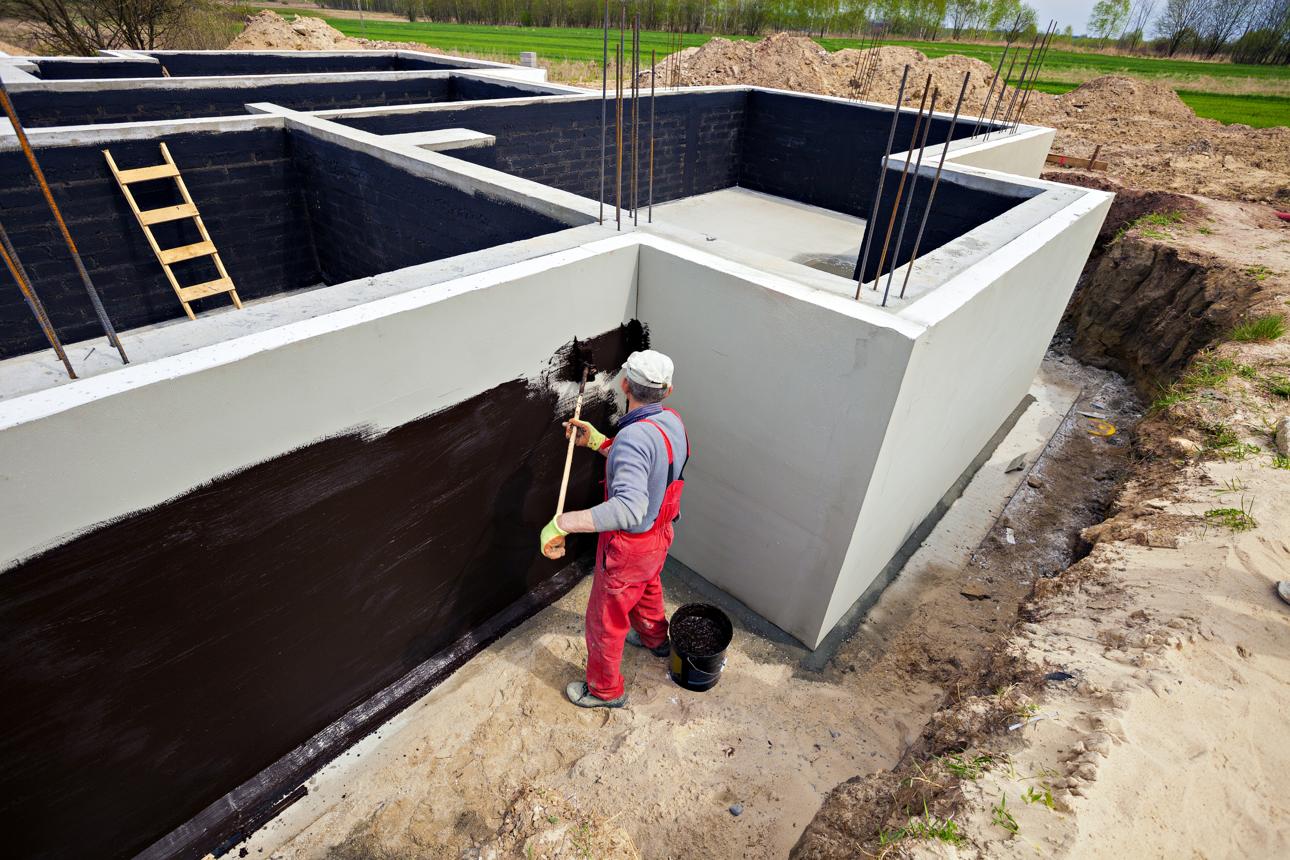
Underground Tank Waterproofing
We protect underground water tanks against leakage by assessing concrete surfaces, repairing suitable defects, and applying compatible waterproofing systems selected for groundwater exposure and storage requirements.
- Underground concrete tank inspection
- Compatible waterproofing application
- Underground concrete tank inspection
- Leakage testing after curing
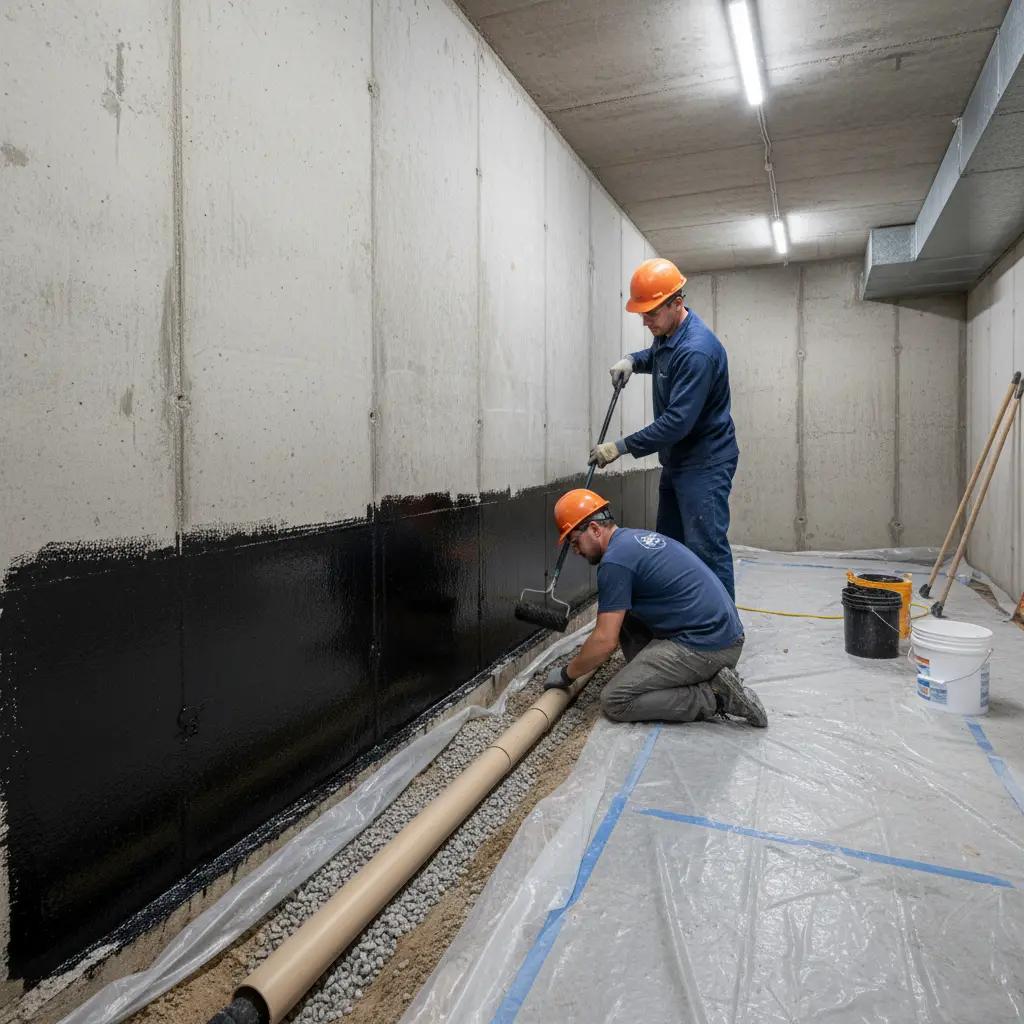
Overhead Tank Waterproofing
Our overhead tank waterproofing service addresses damaged coatings, leaking joints, and surface defects that can cause moisture damage to roofs, ceilings, and surrounding building structures.
- Post-treatment inspection
- Joint and crack treatment
- Internal surface preparation
- Overhead tank inspection
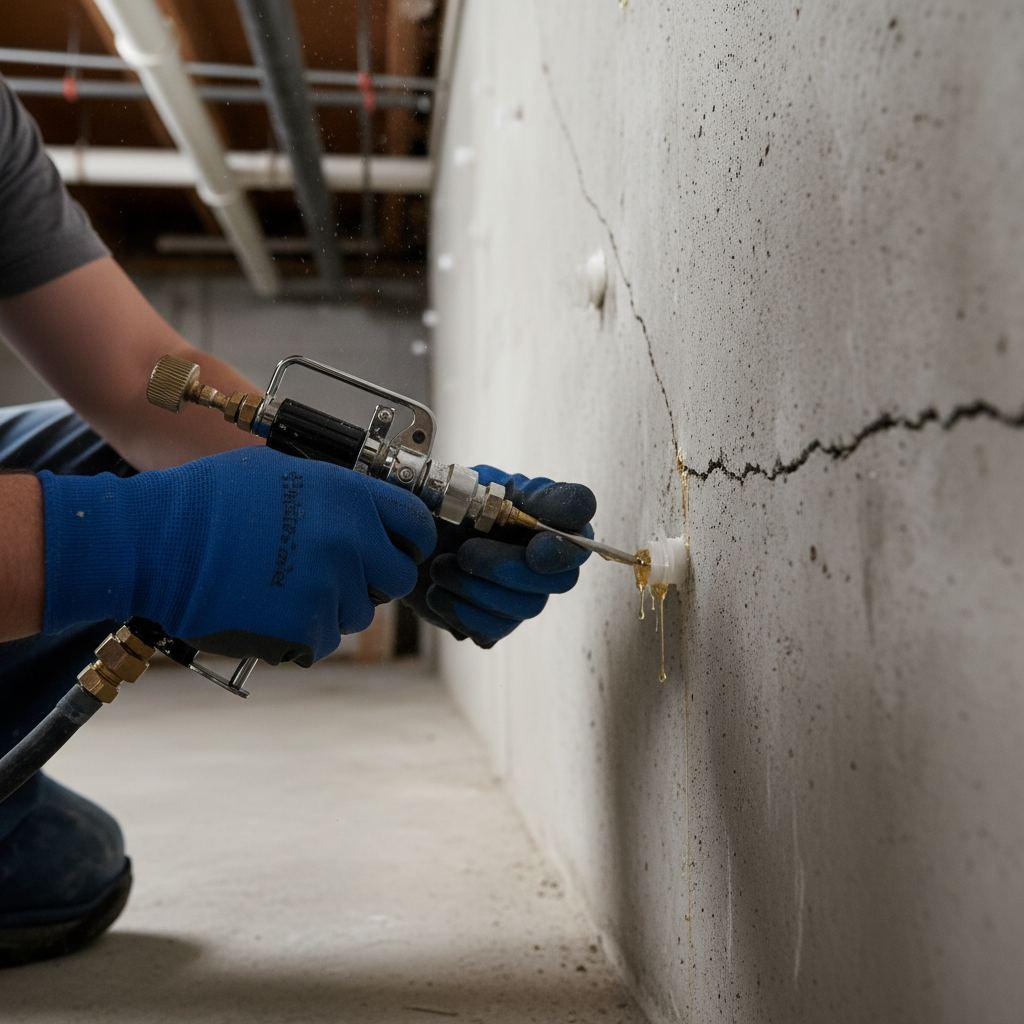
Concrete Tank Repair
We restore suitable damaged concrete areas before waterproofing, helping improve surface integrity and prepare tank walls and floors for compatible protective treatment.
- Concrete defect assessment
- Compatible repair mortar application
- Surface preparation for coating
- Loose material removal
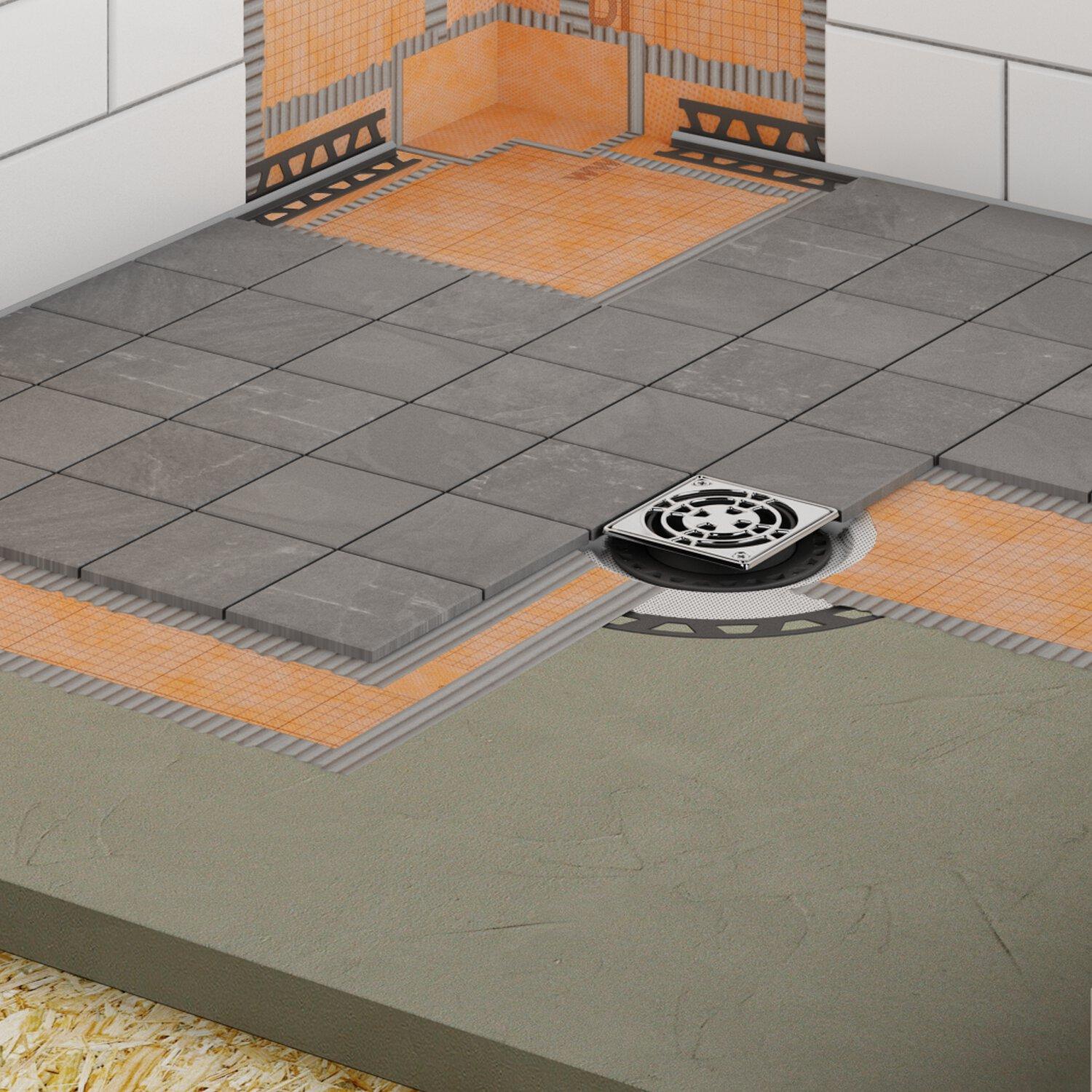
Tank Leakage Repair
We investigate visible leakage, inspect vulnerable connections, and recommend appropriate repairs for cracks, construction joints, and other identified defects affecting water retention.
- Repair verification
- Crack and joint treatment
- Pipe connection inspection
- Leakage source assessment
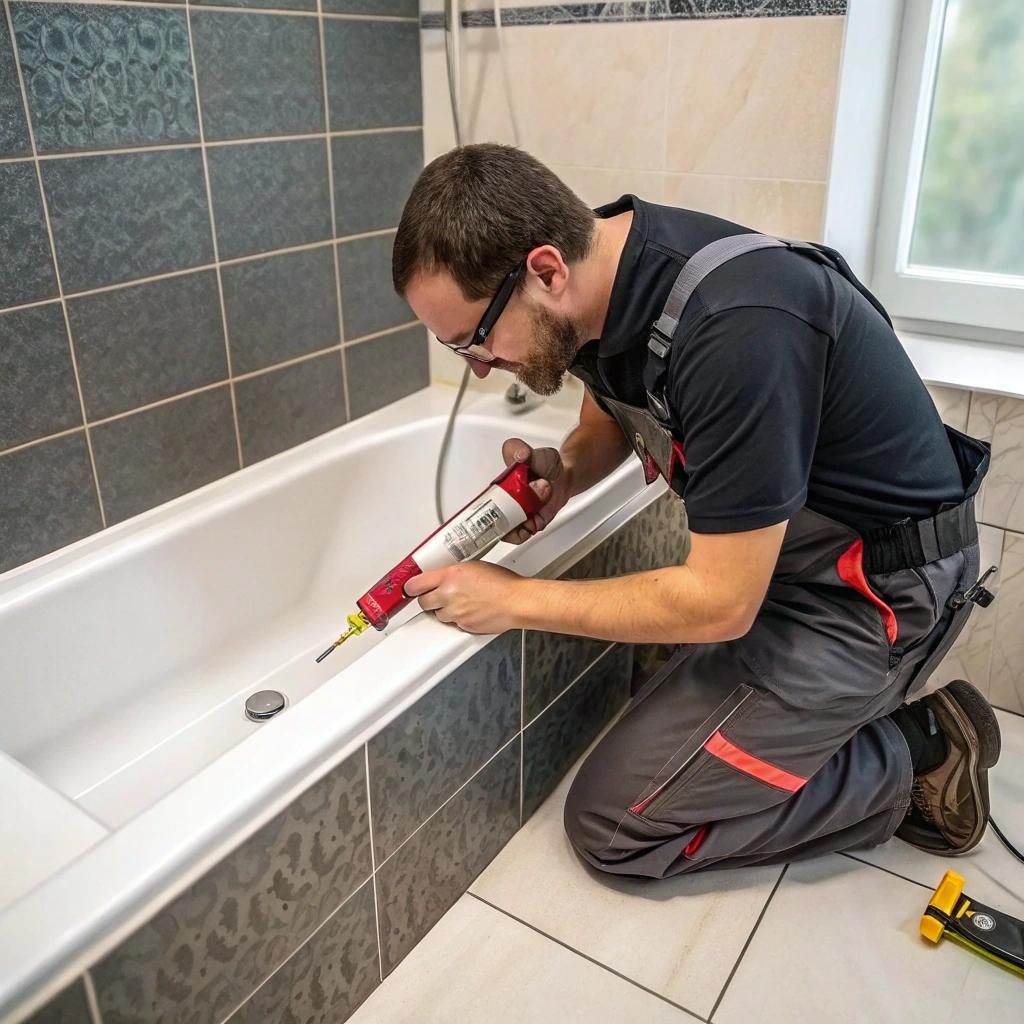
Drinking Water Protection
We select waterproofing products specifically documented as suitable for the intended potable-water application and follow appropriate curing, cleaning, and return-to-service requirements.
- Potable-water product verification
- Compatible coating selection
- Manufacturer-guided curing
- Appropriate cleaning procedures
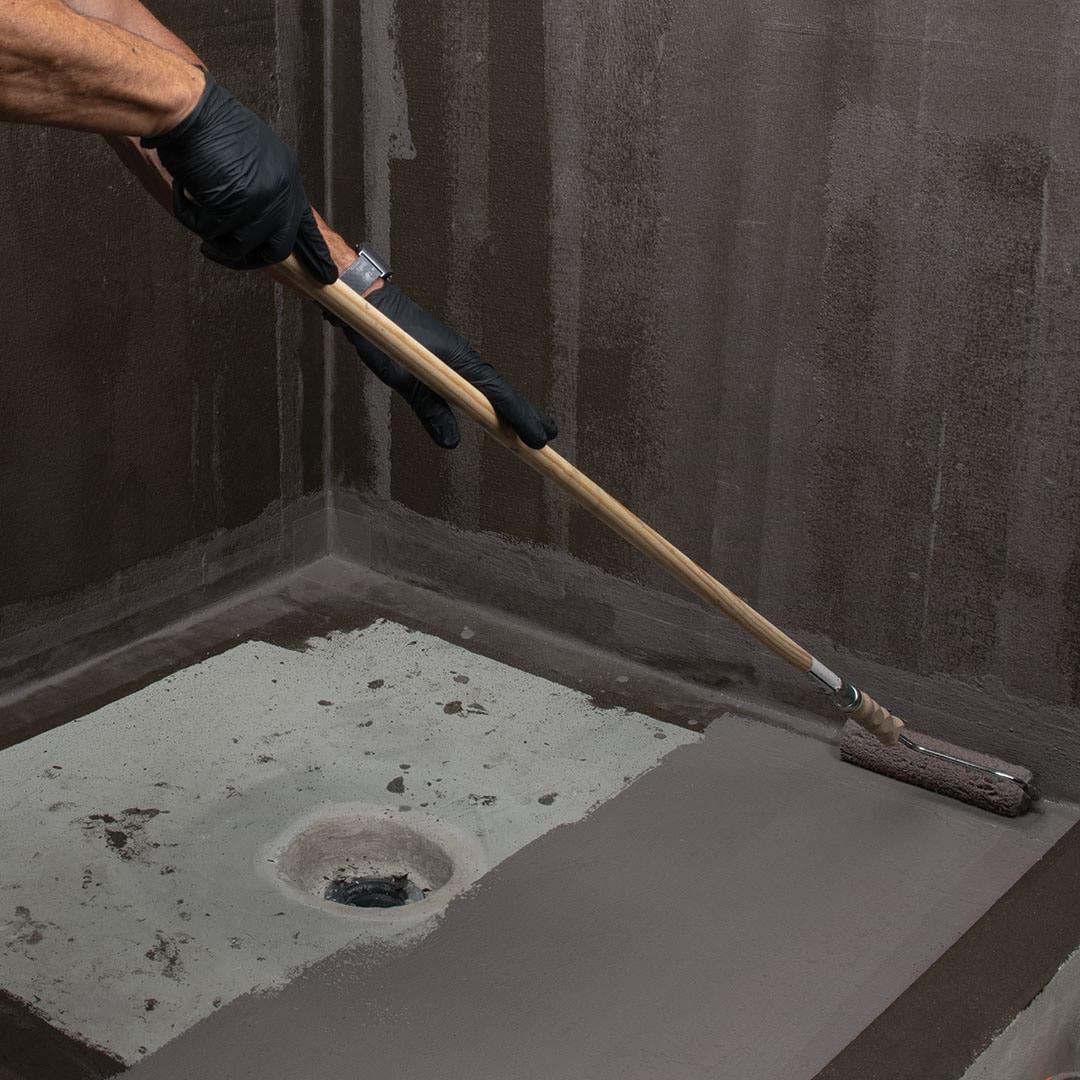
Tank Coating Renewal
We assess deteriorated waterproofing layers and prepare suitable surfaces for compatible recoating, helping restore protection where the existing system can be safely repaired.
- New coating application
- Compatible surface preparation
- Unsuitable layer removal
- Tank Inspection
Explore Our Core Services
Click a service to see how we solve the problem — from inspection to a lasting, warranty-backed result.
Tank Inspection
A thorough inspection helps identify visible cracks, damaged joints, deteriorated coatings, and possible sources of water loss. We consider the tank’s construction, location, condition, and intended use before recommending a treatment. Underground and overhead tanks may require different assessment methods because their exposure conditions differ. The inspection findings help establish the necessary repairs, suitable materials, access requirements, and testing arrangements.
- Check joints and connections.
- Inspect concrete surfaces.
- Assess visible leakage.
Surface Preparation
Proper surface preparation helps waterproofing materials bond with compatible substrates. Loose concrete, dust, deposits, and unsuitable existing coatings may need to be removed before repairs begin. The preparation method depends on the selected product and its requirements for surface moisture and cleanliness. Correct preparation also exposes defects that might otherwise remain hidden beneath a new waterproofing layer.
- Prepare cracks and joints.
- Clean affected surfaces.
- Remove loose materials.
Crack Repair
Cracks can provide pathways for water to escape from a storage tank. The repair method should reflect the crack’s location, cause, and movement characteristics. Stable surface defects may need a different treatment from active leaks or joints subject to movement. Where structural damage is suspected, an appropriate professional assessment should be completed before the waterproofing system is applied.
- Select a compatible repair.
- Assess crack characteristics.
- Locate visible cracks.
Waterproof Coating
A suitable waterproofing coating can help reduce water penetration through compatible concrete and masonry surfaces. Product selection depends on substrate condition, water pressure, exposure, and the intended use of the tank. Application must follow the manufacturer’s instructions, including specified coverage, coating thickness, and intervals between coats. Drinking-water applications require documented suitability for potable-water contact.
- Treat vulnerable junctions
- Apply according to instructions
- Select a suitable system
Leakage Testing
After the repair materials have cured, appropriate testing can help verify whether the tank retains water as intended. The testing procedure depends on the tank’s design, condition, and repair system. Before filling, the finished surface should be inspected for visible defects. Any required cleaning, flushing, or disinfection must also be completed according to the product instructions and applicable requirements.
- Record identified issues
- Confirm curing requirements
- Inspect completed waterproofing
Why homeowners rely on us
Honest advice, quality materials and clean work — on every single project.
Skilled Team
Our team follows planned inspection and application procedures to address water tank leakage concerns with care.
Careful Inspection
We assess visible defects and leakage patterns before recommending a suitable waterproofing treatment for your tank.
Quality Materials
We select compatible waterproofing products according to substrate conditions, intended use, and manufacturer application requirements.
Clear Communication
We explain proposed repairs, application steps, curing requirements, and practical limitations before work begins.
Surface Preparation
We emphasise appropriate cleaning and preparation to support bonding between compatible substrates and waterproofing materials.
Targeted Repairs
We focus on identified cracks, joints, and leakage points rather than relying on coatings alone.
Leaking roof or a hot top floor? Let's fix it.
Book a free inspection today. Our expert will visit, find the cause and suggest the right solution.
Four simple steps to a dry home
A clear, hassle-free process from your first call to the final handover.
Get in Touch
Call, WhatsApp or fill the form and tell us about the problem.
Free Inspection
Our expert visits your site and finds the exact source of the issue.
Clear Quotation
You receive a detailed quote with materials, timeline and warranty.
Work & Handover
We complete the treatment on time and hand over your warranty.
Typical projects we solve
Examples of the kinds of problems we fix every week — and how we approach them.
Underground Tank
The problem: The completed treatment was inspected and tested appropriately to assess water retention after the specified curing period.
Our solution: We assessed accessible surfaces, treated suitable cracks and joints, repaired damaged concrete, and applied a compatible waterproofing system.
The result: The completed treatment was inspected and tested appropriately to assess water retention after the specified curing period.
Rooftop Tank
The problem: Deteriorated coating and leaking connections allowed water to damage nearby roof finishes and ceilings.
Our solution: We inspected the tank, prepared affected surfaces, repaired suitable defects, and renewed the waterproofing system using compatible materials.
The result: The finished system received a visual inspection and appropriate testing before the tank returned to normal service.
Concrete Reservoir
The problem: Cracks and porous concrete surfaces contributed to water loss and recurring moisture around the storage area.
Our solution: We evaluated visible defects, repaired damaged concrete, treated vulnerable junctions, and applied a suitable protective waterproofing system.
The result: Post-curing inspection helped evaluate the repairs and identify any remaining issues requiring further attention.
See the difference
Drag the slider to compare our work before and after treatment.
What Our Customers Say.
We don't just fix leaks — we build trust. Real reviews from homeowners and businesses across Lahore, straight from our Google Business profile.
Loading reviews from Google…


 Trustindex verifies that the original source of the review is Google.
 Trustindex verifies that the original source of the review is Google.
 Trustindex verifies that the original source of the review is Google.
 Trustindex verifies that the original source of the review is Google.
 Trustindex verifies that the original source of the review is Google.
 Trustindex verifies that the original source of the review is Google.
 Trustindex verifies that the original source of the review is Google.
 Trustindex verifies that the original source of the review is Google.
Latest tips & guides
Practical advice to help you protect your home from leakage and heat.
Common questions, clear answers
Here are answers to the questions we hear most. Still unsure? Talk to our team for free advice.
Get a Free Quote
What Is Water Tank Waterproofing, and Why Is It Important?
Water tank waterproofing is the process of treating suitable tank surfaces, joints, and vulnerable areas to reduce water penetration and leakage. It is particularly important for concrete and masonry tanks because these materials can develop cracks, porous areas, and defects around construction joints over time.
When waterproofing deteriorates, stored water may escape through the tank structure. Depending on the location, leakage can cause dampness in surrounding walls, ceilings, foundations, or soil. Persistent water loss may also increase consumption and maintenance costs. However, not every reduction in tank water level is caused by a waterproofing defect. Faulty valves, overflowing, and plumbing problems can create similar symptoms, so proper diagnosis is necessary.
A suitable waterproofing system can help protect compatible surfaces when the underlying defects have been addressed and the material is correctly installed. The system must match the tank’s construction, exposure conditions, and water-storage purpose.
For drinking-water tanks, it is especially important to select products documented as suitable for potable-water contact. The manufacturer’s instructions should be followed for application, curing, cleaning, and return to service.
Waterproofing Hawks can assess visible leakage concerns and discuss possible treatment options for residential and commercial properties. The recommended solution should be based on the actual condition of the tank rather than a standard coating applied to every situation.
How Much Does Water Tank Waterproofing Cost in Islamabad?
The best waterproofing material depends on the concrete’s condition, the tank’s location, water pressure, crack behaviour, and intended use. Cementitious waterproofing coatings are commonly considered for compatible concrete and masonry surfaces. Other systems may be suitable where specific flexibility, exposure resistance, or specialist crack treatment is required.
No single product is appropriate for every tank. A coating designed for an exposed roof, for example, should not automatically be assumed suitable for the inside of a drinking-water reservoir. The manufacturer must document that the material is appropriate for the intended water contact and operating conditions.
Surface preparation is also essential. Dust, loose concrete, grease, deteriorated coatings, and unrepaired defects can interfere with bonding. Cracks and joints may require individual treatment before the main waterproofing layer is applied. If the concrete is structurally damaged or cracks continue to move, further assessment may be necessary.
When comparing products, ask about substrate compatibility, permitted water pressure, application conditions, required coating thickness, curing time, and maintenance. For potable-water storage, also verify applicable approvals and cleaning requirements.
Waterproofing Hawks can help assess the tank and identify suitable categories of waterproofing materials. The final choice should follow the manufacturer’s technical documentation and the actual conditions found during inspection, rather than relying solely on price or general product claims.
Which Waterproofing Material Is Best for a Concrete Water Tank?
The time required for water tank waterproofing depends on the tank’s size, condition, accessibility, repair requirements, and the chosen waterproofing system. A straightforward coating renewal may take less working time than a project involving damaged concrete, several leaking joints, or active water penetration.
The process normally includes isolating the tank from the water supply, emptying it where necessary, preparing the surfaces, repairing defects, applying the waterproofing system, and allowing the materials to cure. Some systems require multiple coats with specified intervals between applications. Others require additional curing time before they can be exposed to water.
Curing is particularly important because filling a tank too early may interfere with the product’s performance. The correct waiting period must come from the manufacturer’s instructions and may depend on site conditions. Drinking-water tanks may also require cleaning, flushing, disinfection, or other procedures before returning to use.
Before work begins, ask the contractor for an estimated schedule that separates active working time from curing and testing time. Arrange an alternative water supply if the property depends on the tank during the repair.
Waterproofing Hawks can explain the likely stages after assessing the tank and identifying the proposed treatment. An accurate timeline should account for the condition of the structure and the requirements of the selected waterproofing system.
How Long Does Water Tank Waterproofing Take to Comple
Preventing water tank leakage starts with regular inspection and timely maintenance. Property owners should periodically check visible concrete surfaces, construction joints, pipe connections, covers, valves, and surrounding areas for cracks, dampness, deteriorated coatings, or unexplained water loss.
Tank cleaning should be carried out using suitable procedures and products compatible with the waterproofing system. Abrasive tools and harsh chemicals may damage some protective coatings. Drinking-water tanks require particular care because cleaning and disinfection procedures must preserve appropriate hygiene and avoid damaging the treated surfaces.
It is also important to maintain plumbing components. A faulty inlet valve, leaking outlet connection, or overflow problem may cause water loss that resembles a tank-wall leak. Identifying the actual cause helps avoid unnecessary repairs.
If new cracks appear, coatings begin to peel, or damp patches develop near the tank, arrange an assessment rather than simply applying another layer of material. Recurring cracks or significant structural movement may require evaluation by a qualified professional. Any repairs should use products suitable for the substrate and intended water-storage conditions.
Keep records of the waterproofing product used, application date, repair details, and maintenance history. This information can make future inspections easier and help contractors select compatible repair materials.
Waterproofing Hawks can advise on suitable maintenance considerations based on your tank’s condition. Although no treatment eliminates every future risk, appropriate installation, routine inspection, and prompt repair can help support dependable water storage.
How Can I Prevent Water Tank Leakage in the Future?
Preventing basement dampness begins with controlling water around the building and maintaining the condition of the foundation. Property owners should ensure that gutters and downpipes direct rainwater away from the structure where the drainage design permits. External drains should be kept clear, and ground surfaces should be checked for areas where rainwater repeatedly collects.
Inside the basement, inspect walls, floors, pipe connections, and wall-to-floor joints for new damp patches, cracks, peeling finishes, or unusual smells. Plumbing leaks should be repaired promptly because even a small leak can produce recurring moisture damage.
Humidity management is also important. If condensation is responsible for damp surfaces, appropriate ventilation, humidity control, or a suitable dehumidifier may help. Waterproofing treatments alone may not solve moisture caused primarily by humid air contacting cold surfaces.
Where a sump pump or drainage system is installed, follow the manufacturer’s maintenance instructions and check that water can discharge safely. Basement storage should be arranged to reduce damage if moisture returns, particularly for items that are vulnerable to water.
Professional inspection is advisable when leakage repeatedly returns after repairs or when significant cracks appear. Waterproofing Hawks can help property owners explore suitable basement moisture control and waterproofing options in Islamabad.
Regular maintenance cannot eliminate every possible source of leakage, but it can help identify developing problems early and support the performance of an appropriately designed waterproofing system.